Remember when the height of technology was blowing into a plastic cartridge or hitting the side of a heavy box TV to fix the picture? You’re probably here because you want to recreate that beautiful, chaotic vhs glitch effect without actually dealing with a dusty VCR that eats your favorite tapes. Whether you’re filming a synthwave music video or just want your social media feed to look like a lost transmission from 1986, mastering that retro distortion is the ultimate vibe check.
You don’t need a degree in magnetic tape physics to turn your crisp 4K footage into a masterpiece of static snow and neon color bleeding. We’re talking about those iconic tracking errors and “lost signal” flickers that make everything look like a haunted workout tape or a late-night sci-fi flick. It’s time to embrace the jitter, lean into the fuzz, and give your digital projects that perfectly imperfect analog soul.
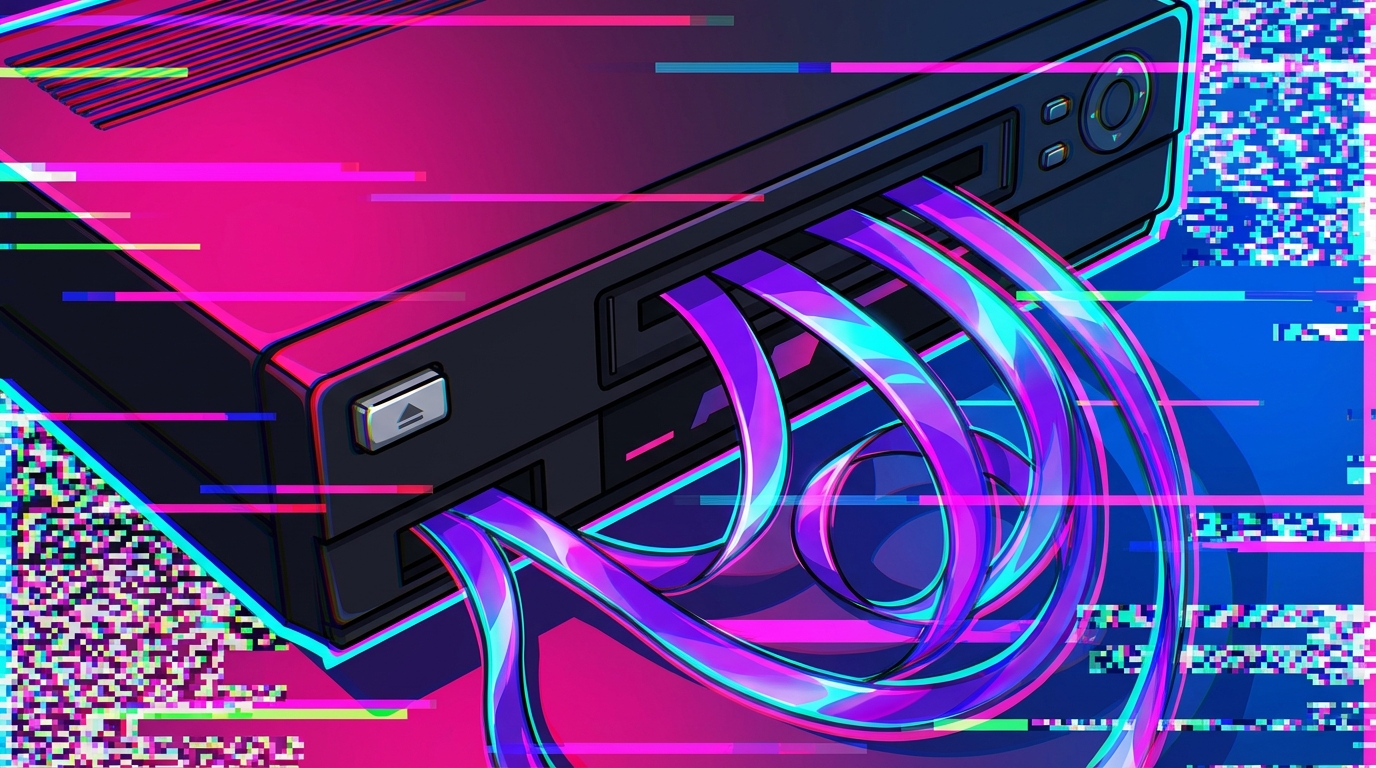
To nail that authentic retro vibe, you need to master the art of the tracking error, which is that wiggly horizontal distortion that makes your footage look like it is struggling for its life. In the golden age of analog, these jitters happened when the VCR heads could not quite align with the magnetic tape, resulting in those iconic wobbles at the top or bottom of your screen. You can recreate this digital chaos by adding horizontal displacement maps or slight screen shakes to your video clips. It is the perfect way to signal to your audience that they are watching something straight out of a dusty basement collection. Just remember that a little bit of jitter goes a long way in making your modern HD footage feel like a legitimate relic from 1986.
Static snow is the secret sauce that adds that crunchy, lo-fi texture everyone loves in a synthwave music video. This grainy white noise originally appeared when the signal was weak or the tape was starting to fall apart from being played too many times. You can layer a grain overlay or a static snow generator on top of your project to get that fuzzy, flickering look that screams old school cool. It acts like a visual blanket, smoothing out your digital edges and giving everything a cozy, nostalgic glow. Whether you are making a meme or a short film, a dusting of static is the easiest way to transport your viewers back to a time of neon lights and Saturday morning cartoons.
Do not forget about those sudden white streaks and magnetic glitches known as dropouts, which occur when debris or dust messes with the playback. These quick flashes of interference add a sense of unpredictability and “broken” charm to your edits. You can manually keyframe these bursts of static to sync up with heavy bass drops or sudden transitions in your video. It gives your content a gritty, tactile feel that makes people want to adjust their imaginary tracking buttons. Embracing these technical “failures” is actually the best way to achieve that perfectly imperfect aesthetic we all crave.
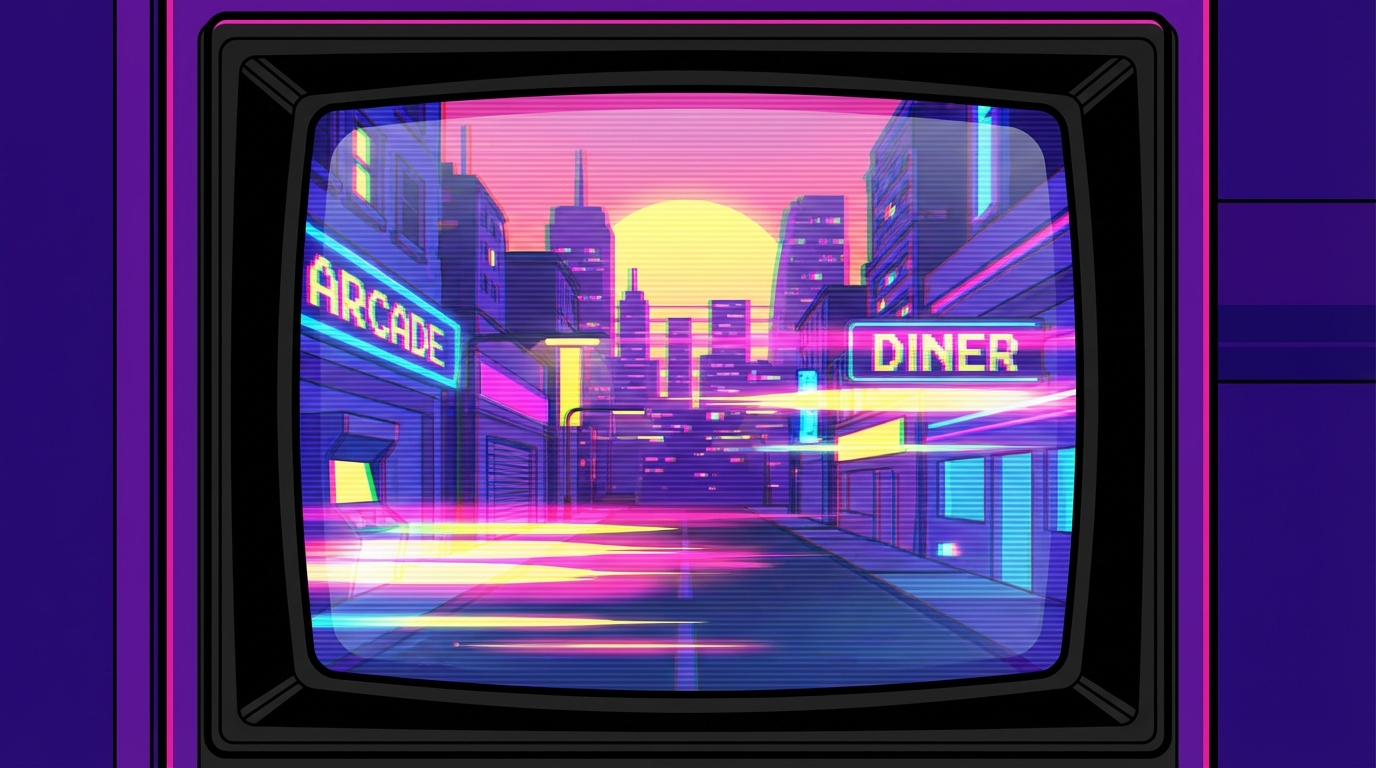
To master that hazy synthwave look, you need to treat your colors like they are leaking out of a cheap tube television. Real VHS tapes struggled to keep colors inside the lines, causing reds and blues to spill over their edges like a melting popsicle on a hot sidewalk. You can recreate this by shifting your color channels slightly to the left or right of your main image. This creates a soft, glowing halo that makes your footage look like a bootleg recording of a late-night aerobics show. It is the perfect way to add that dreamy, low-fidelity charm to your latest meme or music video.
Neon smearing is the secret sauce that gives your highlights that iconic, streaky glow seen in every retro-futurist masterpiece. Back in the day, bright lights would often leave a trail of digital sludge across the screen as the tape struggled to process the high contrast. You can mimic this glitch by blurring your brightest pixels horizontally until they look like they are being stretched through time. This technique works wonders on neon signs or glowing grid lines, turning a boring shot into a vibrant explosion of 80s energy. It adds a layer of analog soul that crisp, modern high-definition cameras just cannot capture on their own.
Pushing your saturation until the screen practically vibrates is the final step in achieving that authentic retro tech vibe. Do not be afraid to let your magentas and cyans bleed into the surrounding shadows, as this creates a washed-out aesthetic that screams nostalgia. This intentional messiness masks the perfection of digital sensors and makes your audience feel like they just popped a dusty plastic cassette into a VCR. When your colors start to smear and glow, you have officially transcended into the neon-soaked world of synthwave aesthetics. It is a fun and easy way to give your content a unique personality that stands out in a sea of boring, clear videos.
Achieving that sweet retro vibe is all about layering the right amount of chaos over your pristine digital footage. You want to start by hunting for high quality overlays that mimic real magnetic signal interference, like those fuzzy white streaks or the classic “snow” that used to drive us crazy. These artifacts are basically the scars of old hardware, caused by debris on the tape heads or just years of sitting in a dusty attic. By dropping these textures onto your timeline and playing with blending modes, you can instantly transport your audience back to a time of neon windbreakers and Saturday morning cartoons. It is the easiest way to turn a boring phone video into a nostalgic masterpiece that looks like it was found in a basement.
Don’t be afraid to get messy with tracking errors and color bleeding to really sell the lo-fi illusion. Real VHS tapes were notorious for horizontal lines and weird jitters that happened when the player struggled to read the magnetic signal. You can recreate this by adding subtle shifts in the red and blue channels, making the colors look like they are literally melting off the screen. This “color fringing” effect is a staple of the synthwave aesthetic and gives your project that authentic glitchy charm. It is all about embracing the imperfections that made analog tech so unique and soulful compared to the cold perfection of modern 4K video.
The final touch for any legendary edit is the occasional static blitz or a dramatic dropout to keep things interesting. These sudden bursts of distortion usually happen when the old tape binder starts to fail, creating a beautiful mess of pixels and noise. You should use these heavy glitches sparingly to highlight specific transitions or to add a bit of “cursed” energy to your favorite memes. Just remember that the goal is to make it look like your VCR is one step away from exploding, even if you are just using a filter on your laptop. Once you master the art of the magnetic glitch, your content will have that perfect retro soul that gamers and vaporwave fans crave.
Mastering the art of the VHS glitch effect means you are finally ready to embrace the glorious chaos of the 1980s. You have learned how to turn crisp, boring digital footage into a beautiful mess of tracking errors and color bleeding that would make any retro gamer proud. Whether you are aiming for a spooky found footage vibe or a neon drenched synthwave music video, these distortions add that essential soul to your work. Now that your project looks like it was found in a dusty attic, it is time to stop tweaking those scan lines and hit the export button. Your masterpiece is officially ready to travel back to the future and invade the modern internet.
Sharing your lo-fi creation is the best part of the process, especially when those magnetic glitches start popping off on social media. You can finally stop worrying about perfect resolution and start celebrating the charm of static snow and horizontal jitter. These effects do more than just look cool, as they tap into a deep sense of nostalgia that everyone from meme lords to film buffs can appreciate. If you are into that anime aesthetic, do not be afraid to lean into the weirdness of signal interference and washed out pastels to give your audience a true analog experience. Your videos are about to stand out in a sea of high definition perfection with their unique, crunchy texture.
The journey through analog distortion does not have to end here, so keep experimenting with different levels of tape degradation. You might find that a subtle color shift works for one project while a full on magnetic blitz is needed for another. Every dropout and flicker tells a story of a time when technology was wonderfully unpredictable and tactile. Grab your digital tapes, keep those virtual heads clean, and continue pushing the boundaries of retro aesthetics. The world is waiting to see your distorted vision, so get out there and start glitching everything in sight.