Remember when your biggest life problem was a hungry yellow circle being chased by ghosts? That blocky, neon-soaked pixel art aesthetic was not just a result of 1980s hardware having a meltdown; it was pure digital magic. You are here because you want to capture that retro vibe where every tiny square counts and four shades of green can somehow look like a lush jungle. It is about doing more with less and making those chunky pixels pop like a fresh bag of arcade popcorn.
Forget those ultra-realistic graphics that make your graphics card scream for mercy. We are going back to a time when creativity thrived inside a 32×32 box and limited palettes were a badge of honor. You do not need a million colors to build a masterpiece when a few well-placed squares can create a whole universe. It is time to embrace the crunchiness and find the beauty in the limitations that defined our childhoods.
Back in the day, your favorite game characters looked like colorful piles of bricks because computers had the processing power of a toaster. You probably remember squinting at the TV, trying to figure out if that brown blob was a goomba or just a very angry mushroom. Those 8-bit limitations, like the tiny NES color palette, were not a fashion choice but a desperate survival tactic for developers. Artists had to fight for every single pixel just to make sure Mario did not look like a blurry thumb. Today, those technical glitches have transformed into a legendary vibe that feels like a warm hug from the 1980s.
You do not need a fancy graphics card to appreciate how a 16×16 grid can capture an entire mood. Modern creators are ditching hyper-realism to embrace that chunky, low-resolution goodness on purpose. It is all about doing more with less, like using four shades of green to build a sprawling jungle on a Game Boy screen. This style has evolved into a masterclass of digital minimalism where every square counts toward the final masterpiece. You are seeing this style everywhere now, from indie hits to high-end fashion, proving that simplicity is the ultimate flex.
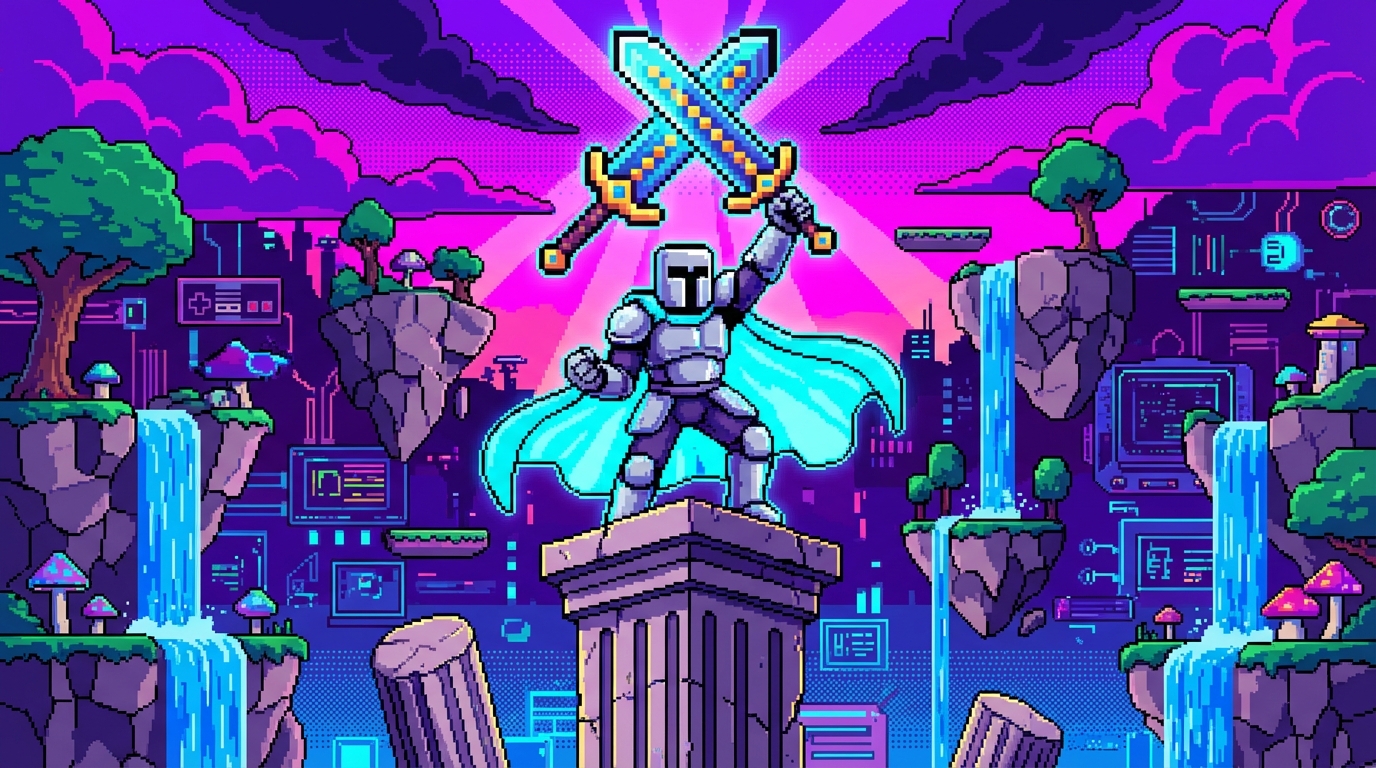
The evolution of the pixel has finally peaked with the neon-soaked world of cyberpunk artistic mastery. Imagine rainy city streets and glowing billboards rendered in sharp, blocky detail that feels both retro and futuristic at the same time. This style perfectly blends the grit of old-school arcade machines with the sleekness of modern synthwave culture. You are basically living in a digital dreamscape where the constraints of the past have become the ultimate tools for creativity. It turns out that those little squares were more than just hardware limits, they were the building blocks of a timeless vibe.
Working with a limited color palette is like trying to cook a five star meal using only the ingredients you found in the back of your pantry. Back in the day, hardware like the Game Boy forced artists to make magic happen with just four shades of swampy green. You might think having fewer colors is a bummer, but it actually prevents your art from looking like a messy soup of blurry pixels. By sticking to a tight selection of tones, you create a cohesive look that feels intentional and sharp. It is all about making every single square count when you do not have a million options to hide behind.
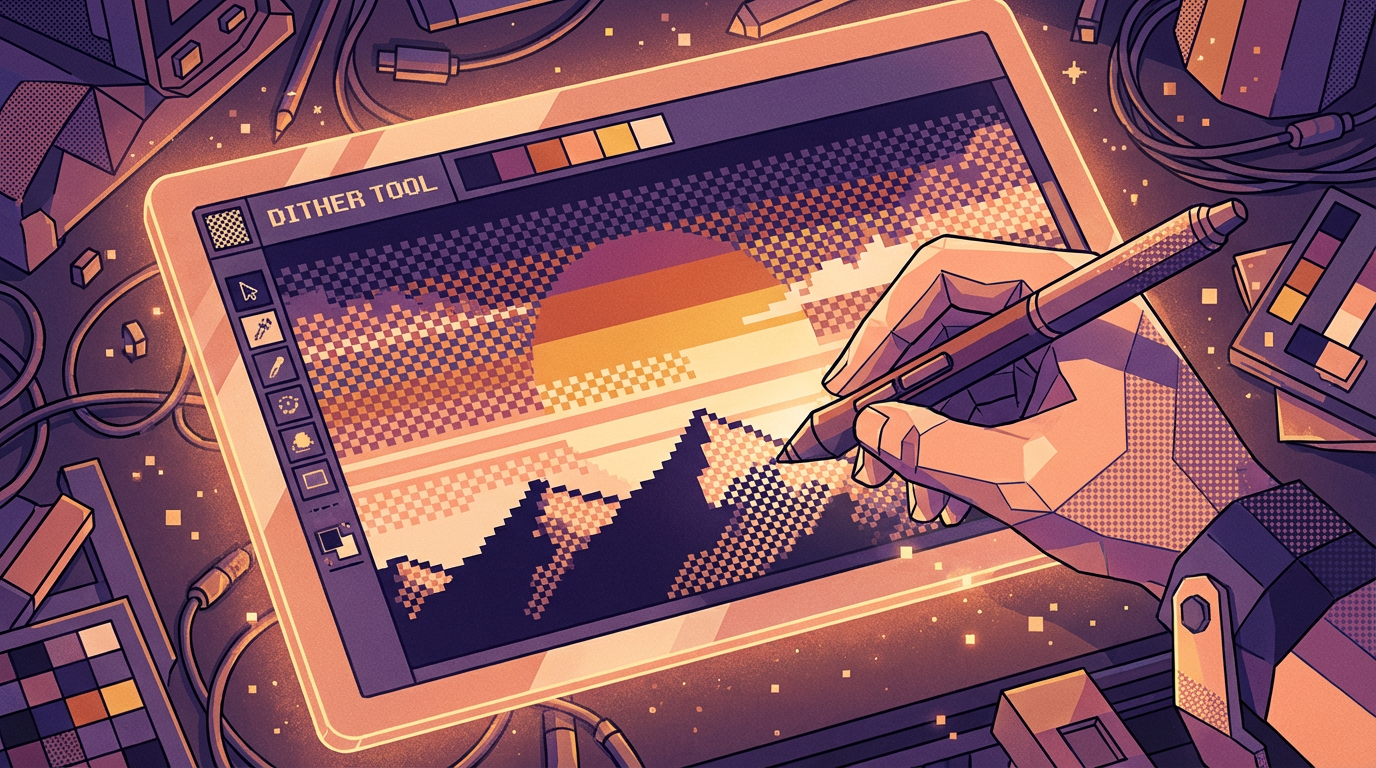
Dithering is your secret weapon for creating smooth gradients without calling in extra colors for backup. This old school technique involves checkerboard patterns and strategic clusters that trick your eyes into seeing a brand new shade. Imagine you are weaving two colors together to create a transition that looks soft even though it is made of hard edges. It is basically the digital version of squinting at a neon sign until the colors start to blur together. Master this trick, and you will turn those four basic greens into a lush forest that looks way more expensive than it actually is.
Embracing these constraints is what gives pixel art that iconic retro soul we all love. You do not need a high tech rig or a massive library of brushes to create something that pops off the screen. Just remember that less is usually more when you are aiming for that sweet 80s aesthetic. Using simple patterns to imply depth keeps your work clean and readable even at tiny resolutions. Once you stop worrying about having every color in the rainbow, you can focus on the pure joy of placing each pixel exactly where it belongs.
You are basically a digital architect when you start placing those tiny squares to build a glowing synthwave paradise. Even though you are working with a super small grid, those jagged edges do not have to look like a broken radiator. By using a trick called anti-aliasing, you can place specific colors next to each other to fool the human eye into seeing smooth curves. This clever technique turns a chunky 16×16 block into a sleek futuristic car or a soft sunset. It is all about making the viewer see a masterpiece instead of just a bunch of colorful dots.
Clustering is your secret weapon for making those neon landscapes feel deep and immersive rather than flat and boring. Instead of scattering colors like digital confetti, you group similar pixels together to create shapes and shadows that actually make sense. This method keeps your artwork looking clean and prevents it from becoming a noisy mess that hurts your brain. Think of it like organizing your retro game collection so you can actually find the good stuff. When you master these clusters, your tiny worlds start to feel like places people actually want to visit.
There is something incredibly satisfying about creating a whole universe using a palette that is smaller than your snack options. You do not need a million colors to make a vibe hit hard when you have the power of limited hardware on your side. Embracing these constraints forces you to be more creative with every single click of your mouse. It is like playing a high stakes game of Tetris where the prize is a beautiful digital dreamscape. Just remember that every pixel counts when you are building a masterpiece from scratch.
Those chunky little squares possess a soul that 4K realism just cannot touch. While modern graphics try to mimic every pore on a character’s face, pixel art lets your imagination do the heavy lifting. You do not need a billion polygons when a handful of well placed dots can tell an epic story. There is something deeply satisfying about the way a 16×16 sprite captures a mood better than a high budget movie. It is proof that you do not need fancy tech to create something truly legendary.
You can keep your hyper realistic lighting and massive file sizes because the retro vibe is here to stay. Whether you are vibing to synthwave or battling bosses on a handheld, these limited palettes feel like a warm hug from the eighties. The beauty of the aesthetic lies in its simplicity and the clever ways artists work around old school constraints. It turns every single screen into a vibrant puzzle where every color choice actually matters. You are not just playing a game, you are experiencing a digital masterpiece that fits in your pocket.
So go ahead and embrace the neon glow of those beautiful, blocky masterpieces. Trends in the gaming world will come and go, but the charm of a crisp sprite is basically eternal. You will always find yourself coming back to these pixelated worlds for that perfect hit of nostalgia and style. Even if technology keeps moving forward, these tiny squares will remain the gold standard for creative cool. Grab your controller and keep celebrating the art form that proved less really is more.
It is the art of making tiny squares look like total masterpieces. You are basically taking those blocky, low-resolution vibes from old-school games and turning them into a deliberate style choice that feels like a neon-soaked dream.
Hyper-realistic graphics are cool until your computer starts sounding like a jet engine taking off. Pixel art lets you embrace the crunchiness of the 80s and proves you do not need a billion colors to build a whole universe.
It started that way because early consoles had the brainpower of a literal toaster. Now it is a legendary vibe where artists choose to work inside tiny grids to show off their creative muscles.
You have to be a digital wizard and make every single square count. By using limited palettes, you create a mood that feels more like a warm hug from your childhood than a boring high-def photo.
Not at all, because your fancy hardware can take a nap while you enjoy some 8-bit goodness. This aesthetic is all about digital minimalism and finding beauty in the limitations that made the arcade era so iconic.
That tiny grid is where the magic happens and creativity truly thrives. When you only have a few squares to work with, you stop worrying about textures and start focusing on making those chunky pixels pop like fresh popcorn.