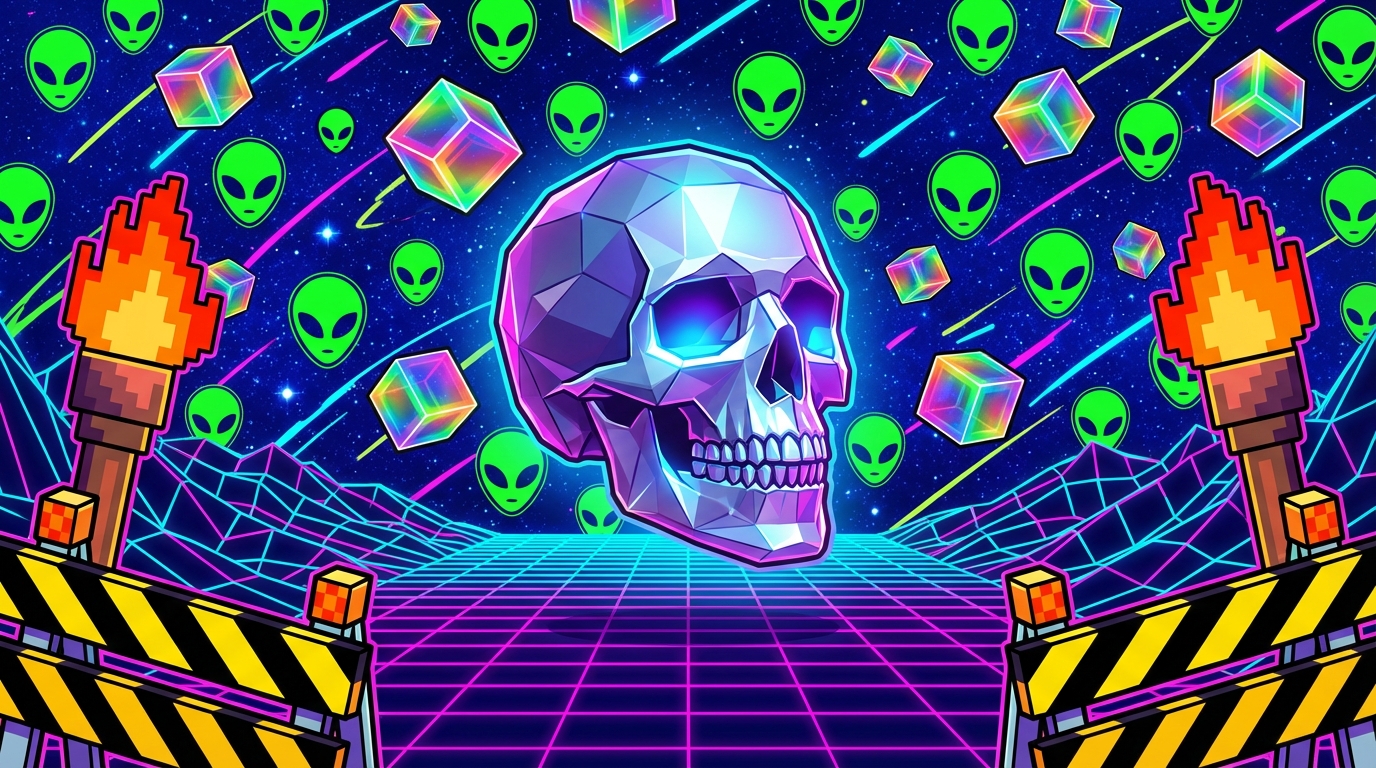
Picture this: you just booted up your clunky beige PC, grabbed a neon-colored soda, and surfed right into a digital wild west of spinning skulls and starry backgrounds. Back then, rocking the geocities website aesthetic wasn’t just a design choice; it was an unhinged badge of gamer honor. You would slap dancing baby GIFs and blazing “Under Construction” signs onto your personal slice of cyberspace like you were decorating a virtual arcade. It was loud, it was beautifully chaotic, and it completely ignored the boring, sterile rules of today’s corporate web.
Today, those eye-searing, pixelated masterpieces are making a massive comeback as a legendary form of digital folk art. Instead of relying on soulless algorithms to auto-generate a boring online base, you can channel this glorious era to inject serious neon energy and personal expression back into your screen. The raw, unfiltered magic of the kilobyte age proves that building a website used to be an epic boss fight of pure, chaotic creativity.
Take a trip back to the early internet, where personal expression meant assaulting the senses in the best way possible. Before the web became a wasteland of clean white spaces and boring corporate layouts, you had the absolute freedom to tile a low-resolution starry night graphic infinitely across your screen. Setting up a cosmic grid or a neon marble texture as your digital wallpaper was the ultimate flex for any proud cyber citizen. This chaotic visual style celebrated pure, unfiltered creativity over efficiency. You didn’t just build a website back then. You crafted an immersive neon universe for your visitors to explore.
Once you had that eye-bleeding cosmic background locked in, it was time to layer on the most aggressive typography known to mankind. Slapping blinking bright green text right over your dark space tiles was the ultimate power move to guarantee your visitors paid attention. You could mix clashing neon pinks, radioactive yellows, and electric blues without a single care for modern design rules. Adding a scrolling marquee that slowly dragged your welcome message across the screen made you feel like a master hacker straight out of a cyberpunk movie. Your retinas might have burned a little bit, but that was just the price of experiencing true internet glory in its rawest form.
To truly complete your digital masterpiece, you had to sprinkle in a heavy dose of chaotic animated GIFs. Dropping a couple of spinning neon skulls or a pixelated construction worker next to your blinking text proved you were a serious webmaster. You would then proudly display a chunky hit counter at the bottom of the page to show off exactly how many cyber surfers visited your domain. Throwing a tinny MIDI file of your favorite pop song into the background transformed your visual collage into a full sensory arcade experience. Looking back at this gloriously messy era reminds us that the early internet was a wildly fun playground built by regular people just looking to share their digital soul.
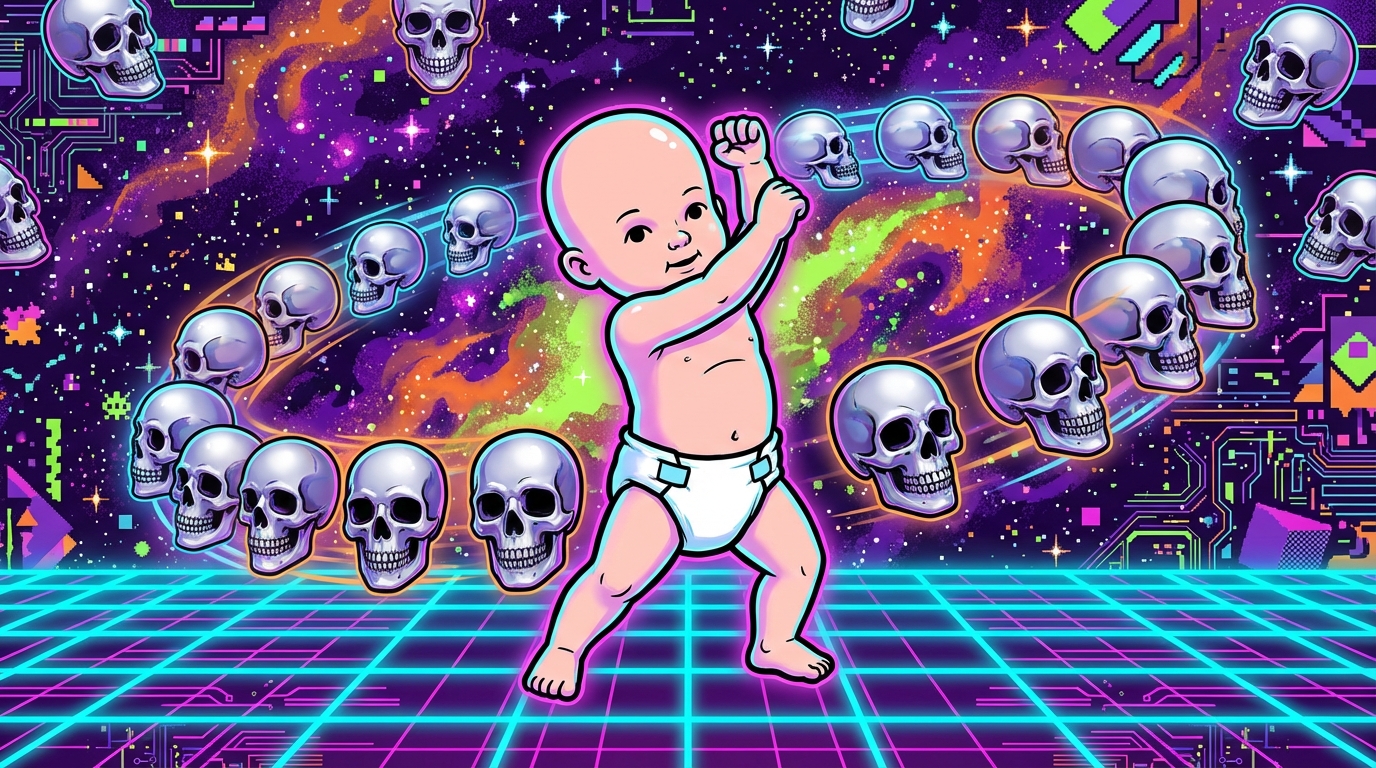
Picture the ultimate flex in the early days of the internet, where your personal homepage was a glowing neon canvas of pure digital anarchy. You didn’t just build a website back then. You engineered a chaotic masterpiece that made every 56k modem scream in absolute agony. Dropping a dozen looping animations onto a single page was the highest form of street cred in Web 1.0 design. Visitors were instantly greeted by a chaotic symphony of spinning skulls, flaming swords, and that iconic dancing baby GIF that haunted everyone’s dreams. Every pixelated graphic was a badge of honor boldly declaring your arrival on the information superhighway.
Nothing captured this retro vibe quite like the mandatory neon yellow Under Construction banner swinging endlessly at the top of your screen. You proudly slapped these animated signs over eye-bleeding background tiles that looked like floating stars or crushed marble. To complete the ultimate digital shrine, you absolutely had to include a glowing hit counter to show off exactly how many internet strangers visited your domain. Today we might laugh at these clashing colors and blinking text alerts, but this was a genuine folk art movement. It was a time when true personal expression mattered way more than the sterile corporate layouts we scroll through today.
Building your digital fortress also meant assaulting the ears of your visitors with an aggressive MIDI track that started playing the second the page loaded. You would carefully link your masterpiece to a massive Webring, creating an endless loop of bizarre and wonderful personal sites for fellow cyber surfers to explore. Your guestbook served as the ultimate comment section for friends to leave glowing reviews in bright magenta font. This glorious era of low-res cyber culture gave you total control over your own little corner of cyberspace. Throwing all these chaotic elements together created an unforgettable aesthetic that still rules the hearts of retro gamers and internet historians everywhere.
You spent hours coding your neon green text over a chaotic tiled background of floating stars, and you desperately needed the world to see your masterpiece. To prove your digital turf was the coolest spot on the information superhighway, you proudly slapped a chunky digital hit counter at the very bottom of the page. Be honest, you definitely hit the refresh button on your own browser fifty times a day just to make yourself look like an absolute internet legend. Whenever those pixelated numbers finally ticked up on their own, you felt like you just unlocked a massive high score in a retro arcade game. Visitors who survived your blinding color choices could then leave their mark in your sparkly, animated guestbook to validate your elite webmaster status.
Long before boring corporate algorithms decided what you should look at online, you had to surf the web using clunky neighborhood webrings. These glorious little banners connected your weirdly specific fan page to a massive chain of other sites dedicated to spinning skull GIFs and chunky synthwave beats. Clicking the next button on a webring felt like stepping through a glowing portal into a completely random dimension of cyberspace. You never really knew if you were going to land on a page about obscure retro games or a blindingly bright shrine to pixelated dancing babies. This totally radical neighborhood system turned the early internet into a massive multiplayer exploration quest where every click was a fun adventure.
You have officially survived our neon-soaked time warp through the early internet. Today’s web might be a sterile land of algorithmic perfection, but those eye-bleeding background tiles and chaotic layouts represent a golden age of absolute digital freedom. Back then, you didn’t need a corporate template to show the world your passion for retro arcade games or synthwave music. You just slapped a spinning skull GIF next to a blinding yellow font and let your freak flag fly. This beautifully messy Web 1.0 energy still rules today because it reminds us that the internet used to be a massive playground instead of a boring digital shopping mall.
All those clunky hit counters and compressed MIDI tracks are no longer seen as amateur mistakes. Modern digital culture now views this unapologetic pixelated magic as an incredible folk art movement. When you look back at the dancing baby memes and endless under construction signs, you realize how much personality we lost to modern minimalism. Building a personal shrine to your favorite movie character with a starry night background was the ultimate gamer move. Every single blinking text box and clashing color palette tells a story of someone who just wanted to share their weird little world with the universe.
Now it’s your turn to bring a little bit of that glorious chaos back into your everyday digital life. You don’t have to completely ditch your slick modern apps, but you can definitely sprinkle some nostalgic flavor onto your online profiles. Drop a crunchy retro GIF into your next group chat, or set your desktop wallpaper to a dizzying neon grid. Channel the fearless spirit of those early web pioneers and stop worrying about having a perfectly curated aesthetic. Embrace the pure fun of the kilobyte age, and let your internet presence be as loud and weird as you want it to be.
Imagine decorating your digital bedroom with spinning skulls, dancing baby GIFs, and neon starry backgrounds. It’s a gloriously chaotic design style from the early internet days where you ignored boring corporate rules and just went wild. You basically crafted your own eye-searing slice of cyberspace to flex on other net surfers.
Today’s internet is a sterile wasteland of boring white spaces and soulless layouts. Gamers and web surfers are bringing back this neon energy because it’s recognized as a legendary form of digital folk art. It lets you inject pure, unfiltered creativity back into your screen instead of relying on boring auto-generated templates.
You want to find a beautifully low-resolution starry night graphic or a neon marble texture. Then you just tile that bad boy infinitely across your entire screen to create an immersive neon universe. It’s the ultimate flex for any proud cyber citizen looking to assault the senses in the best way possible.
You absolutely need the most aggressive typography known to mankind to complete your digital arcade. Blinking text grabs your visitors by the eyeballs and forces them to pay attention to your epic content. It adds that perfect layer of chaotic magic to your personal website boss fight.
You definitely don’t need to be a tech genius to rock this aesthetic. The whole point is to embrace the raw magic of the kilobyte age where things were clunky and beautifully imperfect. Just slap together some wild GIFs and bright colors to claim your badge of gamer honor.
You can’t go wrong with blazing Under Construction signs and classic dancing babies. Throw in some spinning skulls or maybe a pixelated sword to really capture that vintage arcade energy. Your goal is to make your webpage look like a digital wild west of non-stop motion.
If your business runs on pure neon energy and nostalgia, you should absolutely go for it. Most corporate suits might faint at the sight of your infinite cosmic grid, but cool clients will respect your chaotic creativity. You just have to own the vibe and ride that retro synthwave straight to the bank.