Picture this: you’re sitting in a room bathed in the glow of purple neon, your fingers hovering over a chunky plastic power button. You press it, and suddenly, those iconic retro computer startup sounds wash over you like a digital warm hug. It’s more than just a beep or a chord; it’s the sonic equivalent of a high-five from the past, telling you your machine is ready for some serious 8-bit magic.
Whether you’re a synthwave fan chasing that perfect C-major vibe or a gamer who misses the glory days of floppy disks, these chimes are making a massive comeback. Modern tech is finally embracing its roots, letting us toggle on the nostalgic glory that was once hidden away. You don’t need a degree in engineering to appreciate a sound that feels like a portal to a world of pixelated adventures and radical aesthetics.
Imagine sitting in front of a giant beige box in 1995, waiting for the future to load while a shimmering, ethereal swell of sound washes over you. You might not have realized it at the time, but those iconic six seconds were crafted by Brian Eno, the absolute legend of ambient music. In a move that feels like a glitch in the matrix, Eno actually used a rival computer to compose the track because he found PCs a bit clunky back then. He treated the project like a tiny, microscopic masterpiece, distilling the feeling of infinite possibility into a sound bite shorter than a modern TikTok. It was the ultimate vibe check for the early internet age, turning a simple boot-up sequence into a zen moment of synthwave bliss.
The irony of a high-end avant-garde musician creating a jingle for a massive software corporation is pure 90s gold. Eno famously described the process as a hilarious challenge, especially since he had to follow a list of about 150 adjectives like inspiring and futuristic for such a tiny window of time. By the end of the project, he had created eighty-four different versions before landing on the one that would live rent-free in our heads forever. It is the sonic equivalent of a neon sunset or a fresh pair of high-top sneakers, perfectly capturing that new tech smell in audio form. Even today, hearing those soaring notes feels like a warm hug from a simpler time when the world wide web was just a mysterious playground.
This masterpiece did more than just tell you your computer was working; it gave a soul to a bunch of plastic and metal. While other systems were making harsh beeps and boops that sounded like a robot stubbing its toe, this startup sound felt like an invitation to explore. It set the stage for an era where technology was starting to feel cool, sleek, and maybe even a little bit magical. Whether you were about to play a pixelated game or just stare at a flying toaster screensaver, those notes made the experience feel like an event. It remains a core memory for anyone who remembers the satisfying click of a physical power button and the glow of a heavy glass monitor.
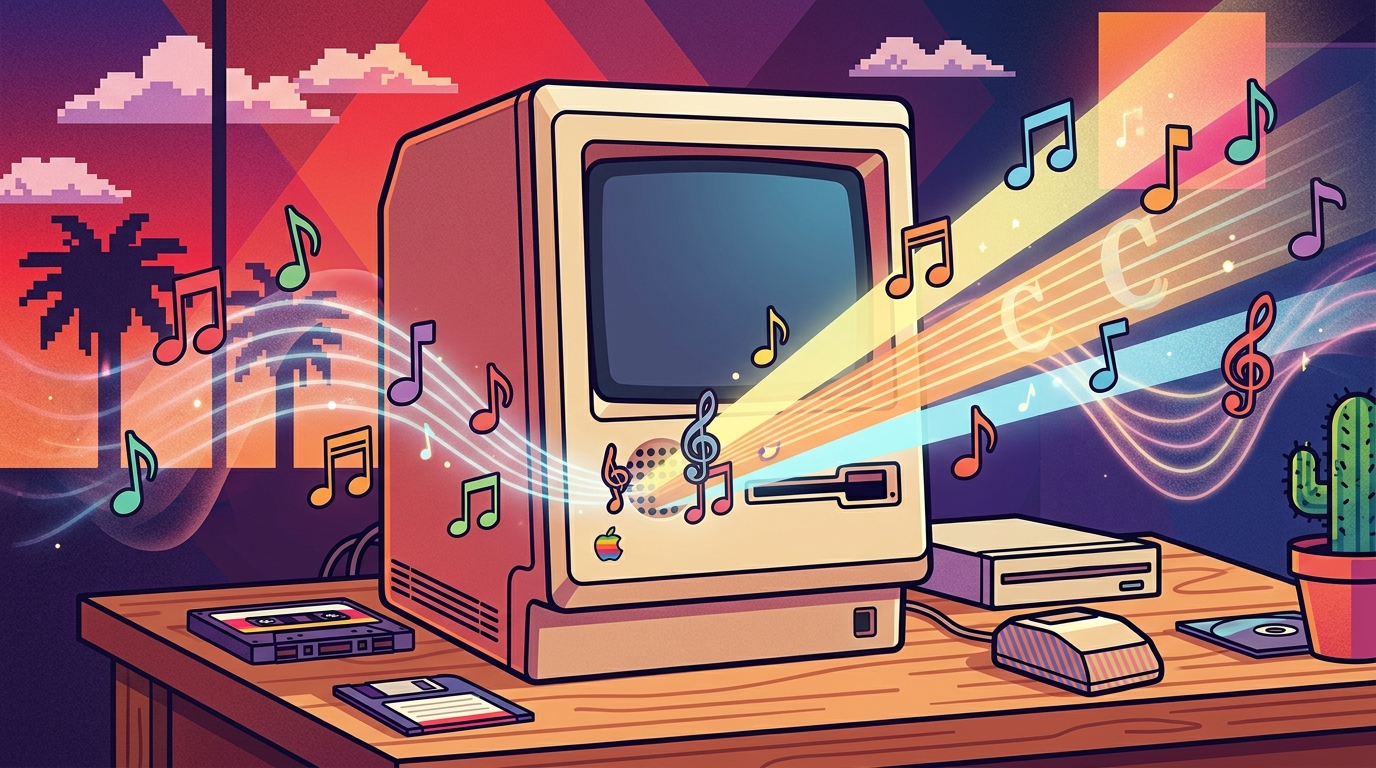
Remember that feeling of sitting in front of a giant beige box while your neon-colored windbreaker swished with every move? Back in 1984, the very first Macintosh greeted you with a simple, high-pitched beep that basically said, I am alive. It was a tiny square-wave sound that lacked any real flair, but it was the start of a legendary digital relationship. As the hardware got beefier, the sounds got cooler, moving away from those basic chirps into something much more cinematic. You could practically feel the Windows 95 aesthetic radiating from the screen as that little smiley face icon popped up to say hello.
The game changed forever when the legendary C major chord made its debut, turning a boring diagnostic check into a moment of pure zen. This iconic chime was designed to be a heavenly sound that reassured you your computer wasn’t about to explode or melt your favorite floppy disks. It became a sonic hug for your ears, signaling that everything was ready for you to enjoy your latest pixel art or word processing masterpiece. Even after taking a short break from modern machines, this classic vibe has made a triumphant return to help us relive those glorious retro days.
There is something deeply satisfying about hearing that rich, resonant chord echo through a quiet room as your workstation powers up. It feels like a secret handshake between you and your machine, bridging the gap between the lo-fi past and the high-tech present. Whether you are a synthwave fan chasing that perfect nostalgic mood or a gamer who appreciates classic tech, that chime is the ultimate auditory chef’s kiss. It is more than just a noise, because it represents a time when every boot-up felt like stepping into the future of a digital frontier.
The Windows XP startup sound is the ultimate audio equivalent of a warm hug from a glowing beige box. As soon as that lush, orchestral swell filled your room, you knew you were just seconds away from a high-stakes game of 3D Pinball or a marathon session on MSN Messenger. It was a masterpiece of digital optimism, sounding like a futuristic sunrise designed to convince you that your dial-up connection might actually be fast today. You did not just hear those glassy notes, you felt them in your soul as you waited for the desktop icons to slowly pop into existence.
This iconic chime was a far cry from the aggressive beeps and boops of the earlier computing days. It had a cinematic quality that made opening a simple Word document feel like you were launching a space shuttle. Even if your PC was actually a loud, dust-filled tower that sounded like a jet engine, this melody made everything feel sleek and high-tech. It is the kind of sound that immediately triggers memories of pixelated wallpapers and the satisfying click of a mechanical mouse.
Today, that soaring symphony remains a legendary piece of internet culture that perfectly captures the vibe of the early 2000s. Whether you are a fan of synthwave aesthetics or just someone who misses the simplicity of the pre-smartphone era, those six seconds of audio are pure gold. It was a time when the internet felt like a vast, neon frontier waiting to be explored from the comfort of your swivel chair. Hearing it now is like finding an old heavy beige boxes in your desk drawer, it is a tiny, wonderful time machine for your ears.
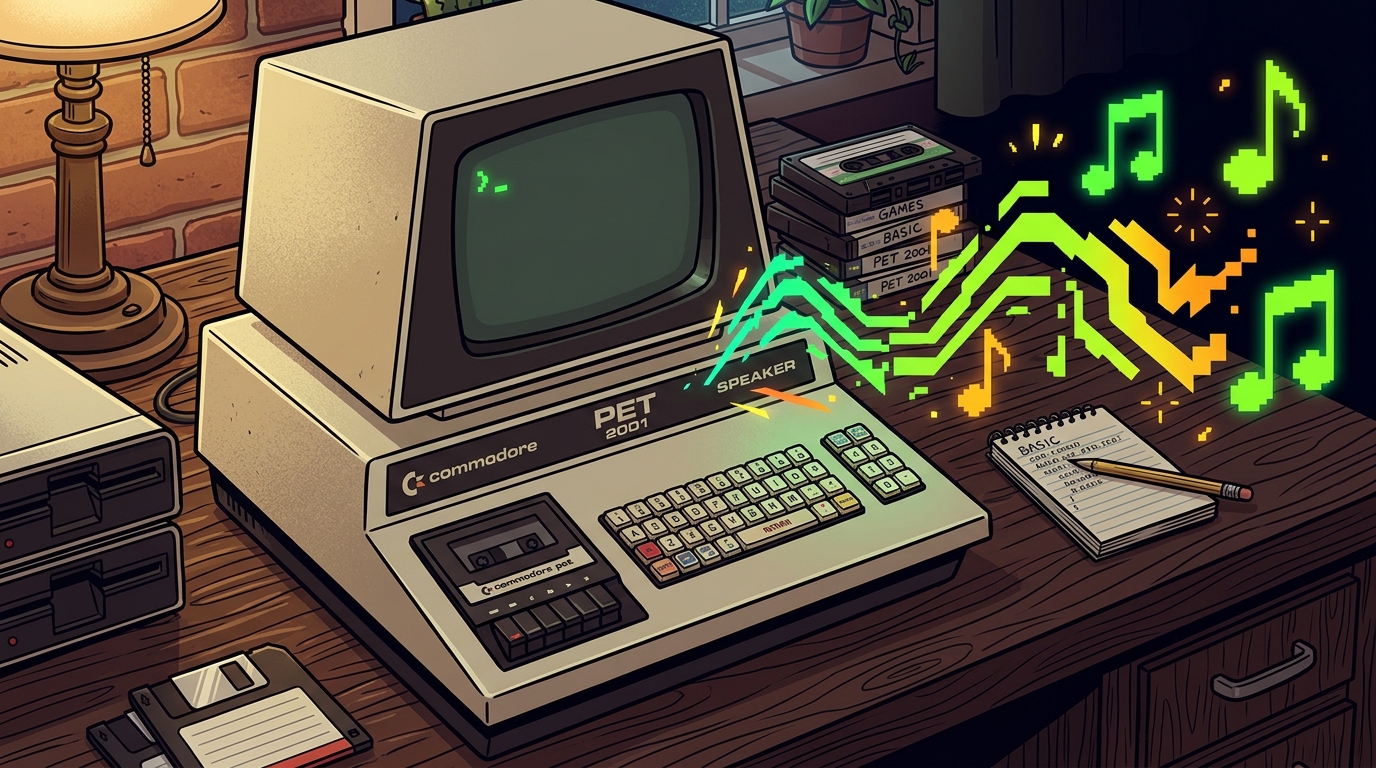
Imagine yourself sitting in a dimly lit room, surrounded by the warm glow of a chunky CRT monitor and the smell of warm plastic. When you flipped that heavy toggle switch on a Commodore PET or a TRS-80, you weren’t met with a silent loading screen or a high-definition logo. Instead, you got a raw, crunchy chirp that sounded like a digital cricket waking up from a long nap. These lo-fi bleeps were the ultimate vibe check for the early eighties, signaling that your beige box was officially ready to crunch some data. It was a simple time when a single square-wave beep felt like a futuristic handshake from a robot friend.
These primitive noises might seem basic compared to today’s orchestral scores, but they are the secret DNA of the modern synthwave aesthetic we all love. Those sharp, jagged tones paved the way for the neon-soaked soundtracks and retro-gaming melodies that dominate our playlists today. There is something incredibly satisfying about that gritty, eight-bit charm that modern high-fidelity audio just can’t replicate. Whether it was a diagnostic ping or a short burst of static, these sounds were the first digital heartbeats of the home computing revolution. They remind us that before we had sleek smartphones, we had noisy machines with big personalities.
The coolest part is that these classic boot sounds are making a massive comeback in the mid-2020s for anyone who misses that vintage aesthetic. Enthusiasts are busy hacking their modern rigs to play these legacy chimes because a standard silent startup feels a bit too boring. Even major tech manufacturers have started bringing back iconic chords and hums as a nod to their digital roots. Hearing that familiar chime today is like a direct hit of pure nostalgia that transports you back to a world of floppy disks and pixelated adventures. It is the perfect way to add a bit of retro sci-fi vibe to your high-tech setup while keeping the eighties spirit alive.
The return of the boot chime feels like a warm hug from a glowing CRT monitor, and it is about time our gadgets started talking back to us again. There is something undeniably magical about that C-major chord or the digital hum of a legacy system waking up from its slumber. These sounds are more than just technical signals that your hardware is working properly. They are the theme songs to our digital lives, reminding us of late night gaming sessions and the thrill of the early internet. It is a relief to see modern tech embracing these human-centric experiences instead of sticking to a boring, silent startup.
You do not need to be a synthwave producer or a hardcore collector of beige towers to appreciate the soul in these classic bleeps and bloops. Hearing that familiar chime today is like finding an old mixtape in the back of your closet that still plays perfectly. It triggers a core memory of a time when technology felt a little more human and a lot more like a sci-fi movie. As manufacturers bring back these iconic noises, they are giving us a tiny piece of our childhood back with every power cycle. These chimes prove that even in a world of sleek glass and silent chips, we still crave a little bit of retro personality.
Whether you are rocking a brand new machine or nursing a vintage setup, these sounds connect us to the neon-soaked roots of the digital age. They turn a mundane task like turning on a computer into a celebratory event that demands your attention. We have moved past the era of silent minimalism and back into a world where your gear has a voice worth listening to. So, keep your volume up and let those nostalgic frequencies wash over you like a digital sunset. Our digital hearts will always have a special place for the sounds that started it all.
You can thank the ambient music wizard Brian Eno for those six seconds of pure bliss. He treated the project like a microscopic masterpiece, distilling a list of 150 adjectives into one iconic synth swell.
It is a total glitch in the matrix, but Brian Eno actually used a rival computer to compose the track. He found PCs of that era a bit too clunky for his creative process, which is pure 90s irony at its finest.
These chimes are the sonic equivalent of a high five from the past. They act like a digital portal, instantly transporting you back to a world of neon aesthetics, floppy disks, and pixelated adventures.
He had to cram an incredible amount of emotion into a tiny window of time. The final result is a six second zen moment that feels way more epic than a simple boot up sequence.
Modern tech is finally embracing its radical roots and letting you toggle on that nostalgic glory. You do not need an engineering degree to bring back those 8-bit vibes and make your current rig feel like a time machine.
It was the ultimate vibe check for the early internet age. By mixing avant-garde talent with a massive software launch, it turned a boring beige box into a source of infinite, shimmering possibility.