If you’ve ever dreamed of trading your boring living room for a neon-soaked 1982 dreamscape, you’ve probably wondered about the actual retro arcade machine cost. Whether you want a tiny desktop companion to keep you company or a full-sized cabinet that screams “I have zero regrets,” the price tag can be a bit of a wild ride. In 2026, the market is a total vibe check, ranging from a modest $150 for basic home units to a whopping $15,000 for those rare, vintage crown jewels.
Getting that sweet high score in the comfort of your own home doesn’t have to bankrupt your quest for the ultimate synthwave aesthetic. From budget-friendly 3/4 scale machines that fit in your apartment to massive motion simulators that belong in a high-tech bunker, there is a cabinet for every level of obsession. You just need to decide if you’re looking for a quick nostalgia fix or a museum-quality masterpiece to show off to your friends.
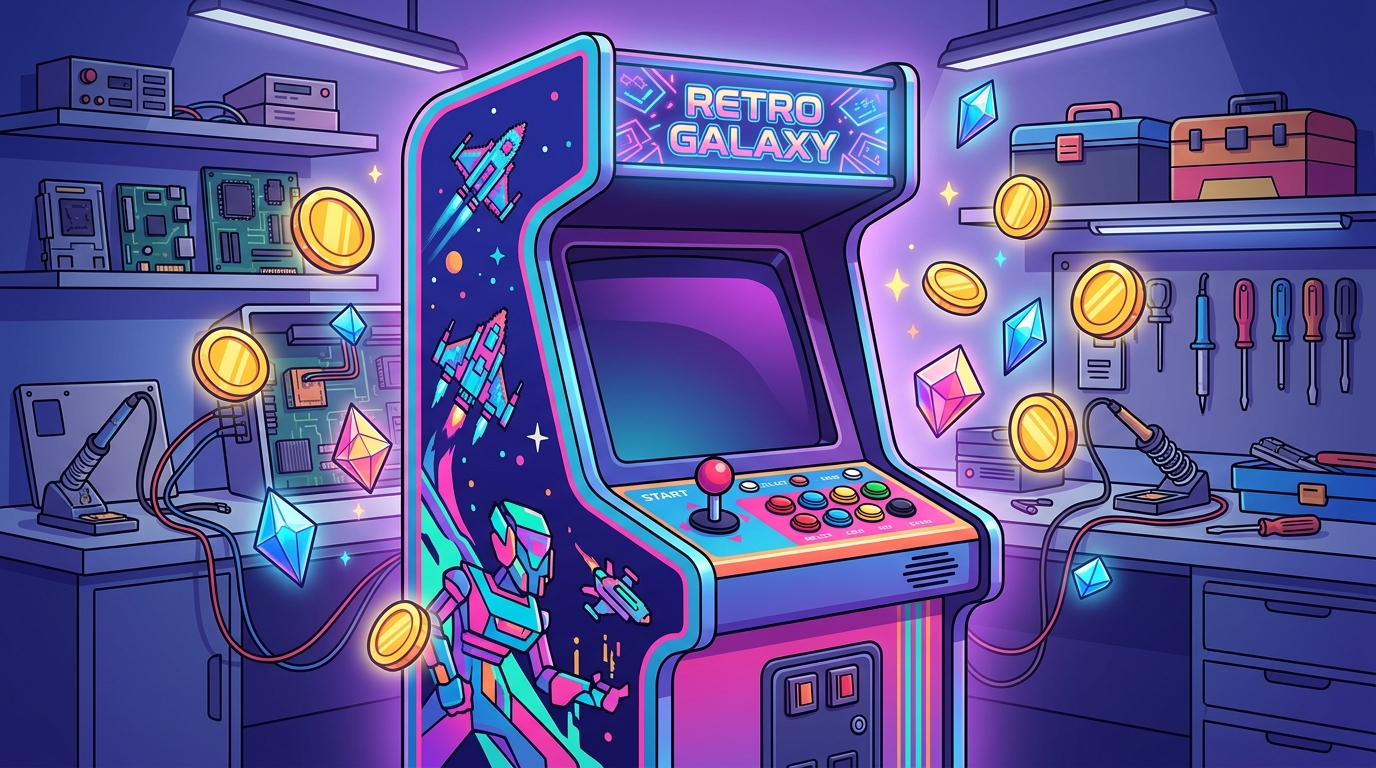
If you are looking to level up your man cave without draining your entire savings account, entry level units are your best friend. These budget friendly machines usually fall between $150 and $600, making them perfect for casual players who just want to smash some buttons after a long day. You can find sleek tabletop units that fit right on your desk or 3/4 scale machines that bring that classic neon glow into your living room. They offer a fantastic way to capture those Saturday morning vibes without needing a second mortgage. Plus, they are light enough to move around whenever you decide to rearrange your gaming sanctuary.
Choosing a smaller scale unit does not mean you are sacrificing the fun of the golden age of gaming. These machines often come packed with multiple classic titles, giving you plenty of variety for a relatively small investment. While they might not have the heavy weight of a vintage cabinet, they look amazing under some LED strip lights and satisfy that itch for retro pixels. You can expect decent controls and vibrant screens that make every high score attempt feel like a major victory. It is the ultimate starter pack for anyone ready to play in the world of home arcades.
Since the market for these units has matured, you can now find high quality options that fit almost any corner of your home. Most of these models are designed for easy assembly, so you will be playing your favorite platformers in no time. They serve as a great conversation piece for your friends who remember the smell of mall pizza and the sound of digital explosions. At this price point, you get the aesthetic of a professional game room while keeping enough cash left over for a few rolls of quarters. It is a win for your nostalgia and a win for your wallet.
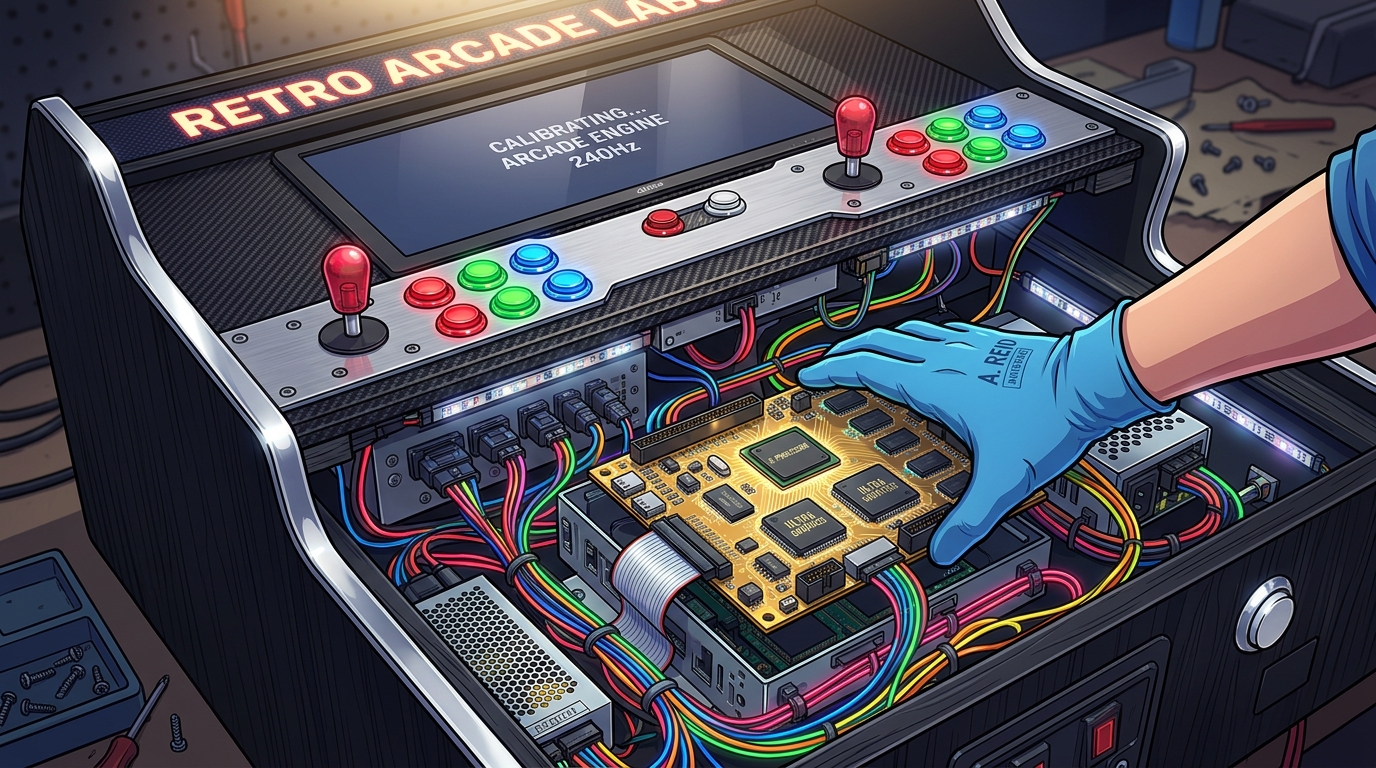
Investing in a modern multicade is the ultimate power move for your home game room, but you should prepare your wallet for a retro arcade machine cost between $1,300 and $5,000. While that might seem like a lot of quarters, these machines are built like tanks and designed to outlast the neon lights of the 80s. You are paying for a premium experience that includes professional-grade joysticks and buttons that can handle even your most aggressive button-mashing sessions. These high-end custom multicades ditch the cheap plastic feel for authentic arcade weight and durability. Because they use powerful PC hardware rather than tiny mobile chips, you get a buttery smooth, lag-free experience that keeps your high scores honest.
Choosing a custom build means you are getting a centerpiece that looks just as good as it plays. The higher end of the price spectrum usually covers massive displays, custom vinyl wraps that scream synthwave cool, and specialized sound systems that make every 8-bit explosion rattle your teeth. You are also paying for the peace of mind that comes with a machine that actually works every time you flip the switch. It is a significant investment, but it beats hunting down a dusty, broken vintage cabinet that smells like a damp basement and old cigarettes. Think of it as buying a time machine that actually has a warranty and better graphics than you remember from your childhood.
Owning a genuine piece of the 1980s is the ultimate power move for your home game room, but be prepared for your wallet to take a hit. If you are hunting for a holy grail cabinet like a pristine original, you are looking at a price tag that can soar past $15,000. These machines are not just games anymore, they are high-end collectibles that appreciate like fine art, only with more neon lights and pixelated gorillas. Rarity is the name of the game here, and finding a unit with the original side art and dedicated hardware is like finding a golden ticket. You are paying for the soul of the arcade era, and that nostalgia comes with a premium investment that would make even a high-roller sweat.
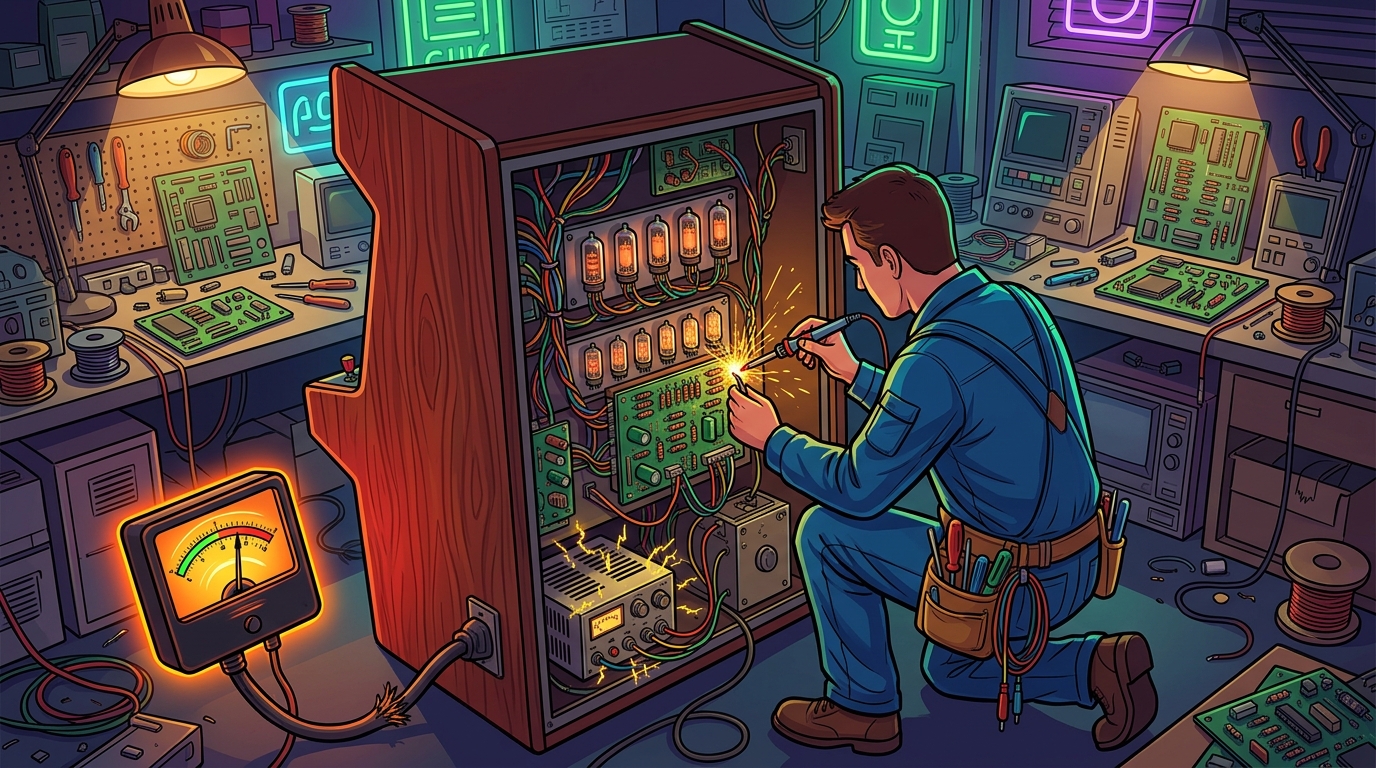
The initial purchase price is just the beginning of the journey when you explore the world of vintage restoration. Many of these cabinets have spent decades in dusty warehouses or damp basements, meaning they often require a total professional electronic restoration. You might need to drop several thousand dollars on professional monitor repair, power supply replacements, and sourcing authentic joysticks that do not feel like mush. It is a labor of love that requires a deep pocketbook if you want that authentic glow and clicky button feel. Think of it as restoring a classic muscle car, except this one lives in your den and runs on quarters instead of gasoline.
Finding your way through the vintage market requires a bit of detective work and a lot of patience to ensure you are getting the real deal. High-end collectors often prioritize matching numbers and original circuit boards, which keeps the value high but makes the entry cost steep for casual fans. If you are ready to pull the trigger on a five-figure machine, remember that you are buying a conversation piece that will be the envy of every synthwave fan in the neighborhood. Just make sure you have enough floor space and a dedicated circuit breaker to handle all that vintage glory. It is a big commitment, but playing a round of your favorite classic on the actual hardware it was born on is a vibe you just cannot replicate.
Owning a full-sized arcade beast is the ultimate power move for your home game room, but the sticker price is just the first boss battle. You need to factor in the heavy lifting of shipping fees, which can feel like paying for a plane ticket for a very heavy, neon-clad friend. Because these cabinets can weigh hundreds of pounds, getting one delivered to your doorstep often requires specialized freight shipping that adds a chunky premium to your total budget. If you are eyeing a vintage original, you might even need to rent a truck or hire specialty movers to ensure your precious cargo does not end up with a cracked screen before the first coin drop.
Once your machine is glowing gloriously in the corner, the reality of maintenance starts to settle in like a high score you cannot beat. Joysticks and buttons take a beating from frantic button-mashing sessions, meaning you will eventually need to swap out worn parts for fresh components. Original monitors are gorgeous but finicky, often requiring a bit of technical love or a capacitor kit to keep the colors from looking like a muddy sunset. Keeping a small stash of spare parts and a trusty screwdriver nearby is part of the hobbyist lifestyle if you want to keep those retro vibes alive and well.
Do not forget that these glowing monuments to the eighties have a serious thirst for electricity that can make your power meter spin like a record. Running a vintage cabinet with an old-school power supply and a tube monitor is basically like unlocking the nostalgic world of 1980s arcade gaming while leaving a space heater on. Even modern builds with LED screens and power-efficient PCs add up if you leave them on all day just to enjoy the neon ambiance. It is a good idea to budget a few extra bucks for your monthly utility bill so you can keep the synthwave dreams alive without any shocking surprises.
Deciding on the perfect retro arcade machine cost is a lot like choosing your character in a high-stakes fighting game, where your wallet is the health bar. If you just want a quick hit of nostalgia without breaking the bank, those mini players and home-scale cabinets are a total vibe for under a thousand bucks. However, if you are looking to go full Boss Mode with a custom multicade or a restored vintage classic, you should be prepared to drop some serious digital gold. Whether you spend enough for a pizza party or a down payment on a neon-drenched spaceship, the goal is to find that sweet spot where your inner child and your bank account can finally be friends.
Building the ultimate game room is an epic quest, but don’t let your high score stop at the arcade cabinet. Your entire environment should feel like a synthwave dream, from the glow of the screen to the very desk where you plan your next retro conquest. Once you have settled on the right machine for your budget, it is time to back to the future your living room with retro futurist style to keep that 80s aesthetic flowing through every corner of your home. See how you can level up your entire aesthetic by checking out the latest collection of neon-inspired gear today.
You can start your neon journey for as little as $150 if you go for a compact tabletop unit. If you want a full sized masterpiece that makes your neighbors jealous, prices can climb all the way up to $15,000 for rare vintage gems.
Absolutely, because these $150 to $600 units are perfect for casual button mashing and fitting into smaller apartments. They capture that Saturday morning magic without requiring you to sell a kidney or take out a second mortgage.
These are slightly smaller versions of the original behemoths you remember from the mall. They offer the same classic glow and joystick action but are much easier to move around when you decide to redesign your gaming sanctuary.
Most modern home units come packed with multiple classic titles so you never get bored. It is like having an entire 1980s arcade stuffed into one sleek cabinet that looks amazing under your LED strip lights.
Yes, mini tabletop units are the ultimate desktop companions for your workspace. They are budget friendly and provide a quick nostalgia fix whenever you need a break from your boring adult responsibilities.
The high price tags usually belong to museum quality vintage cabinets or high tech motion simulators. These are the crown jewels of the arcade world and are meant for collectors who want to relive retro gaming culture and the absolute ultimate synthwave aesthetic.