If you’ve ever dreamed of turning your living room into a neon-soaked 1982 paradise, you’ve probably realized that cool vibes don’t always come cheap. Whether you’re hunting for a vintage cabinet that smells like old pizza and glory or a high-tech racing simulator that pulls more G-forces than a space shuttle, knowing what to pay is half the battle. This arcade machine price guide is your ultimate cheat code to getting the best deal without losing all your digital gold.
The arcade industry is currently exploding faster than a pixelated alien in a space shooter, with the global market projected to hit a massive $31 billion by 2033. You don’t need a PhD in synthwave aesthetics to see that everyone wants a piece of the joystick action, from casual bartop collectors to high-end simulator junkies. Getting the most boom for your buck means understanding why a classic cabinet might cost as much as a used car while a mini-unit costs less than a fancy dinner.
Building your dream arcade doesn’t mean you have to sell a kidney or live off ramen for a year. Entry level home cabinets and bartop units are the perfect way to bring those neon vibes into your living room without breaking the bank. For a budget between $150 and $600, you can snag compact units that fit perfectly on a desk or a dedicated riser. These machines usually come pre-loaded with several classic titles, so you can jump straight into the action after a quick assembly. It is the ultimate shortcut to feeling like a local high score legend while wearing your favorite pajamas.
If you are looking to level up your game room aesthetic, the $600 to $1,200 range offers a serious boost in quality and screen size. These mid-tier setups often feature better joysticks, light-up marquees, and more robust frames that can handle your most intense button-mashing sessions. You can also find DIY kits in this price bracket that allow you to customize the arcade cabinet art and internals for a truly unique look. It is basically like building a Lego set, but instead of a plastic castle, you get a portal to the golden age of gaming. Plus, these units are light enough to move around whenever you decide to rearrange your pixelated paradise.
Choosing one of these entry level options is a savvy move for anyone who wants the retro experience without the heavy lifting of a commercial unit. You get the satisfying click of the buttons and the glow of the screen for a fraction of the cost of a vintage original. These machines are designed for modern homes, meaning they won’t hog all your floor space or spike your electricity bill. Whether you want a single bartop for your office or a row of cabinets to create a mini-arcade, this price range is where the magic happens. Grab a soda, dim the lights, and get ready to defend the galaxy from the comfort of your couch.
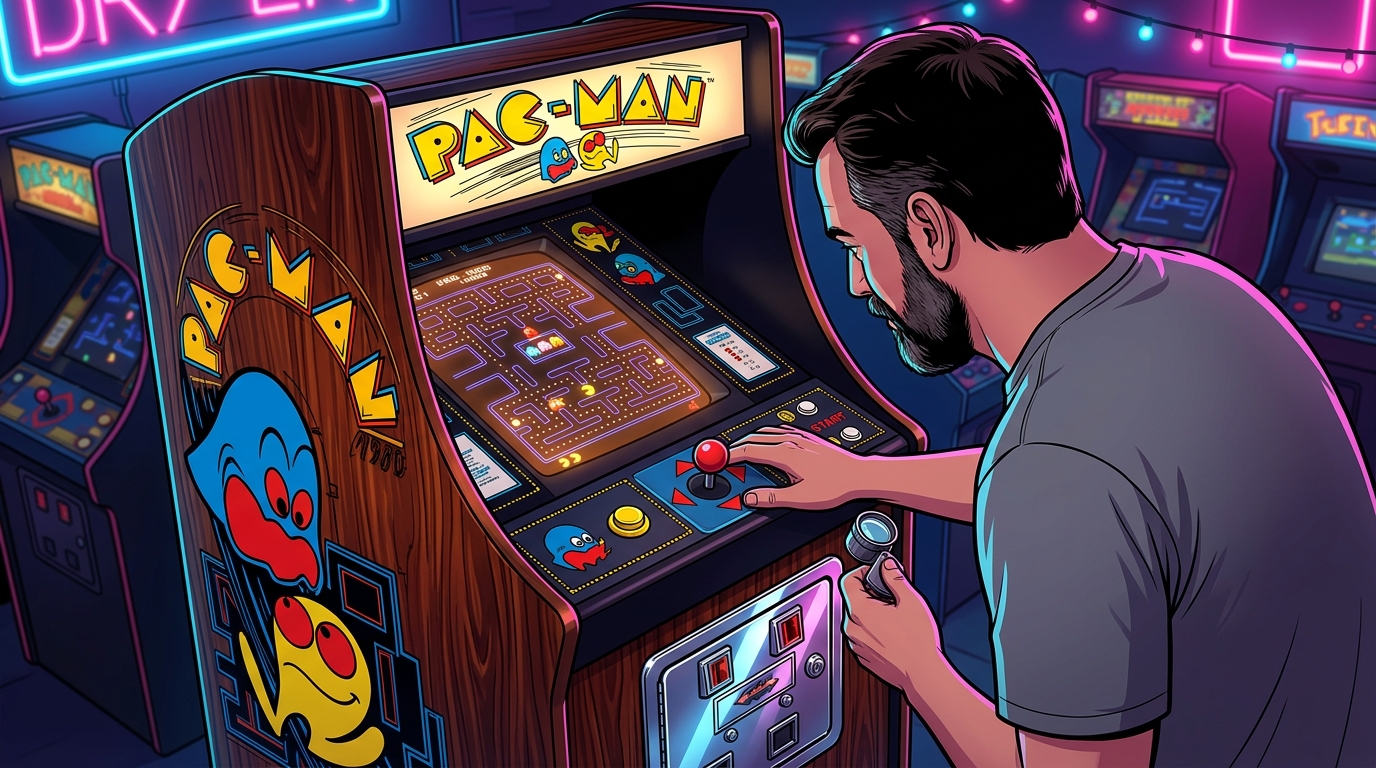
Stepping into the world of vintage arcade collecting feels a bit like entering a neon-soaked time machine, but you will need more than just a pocket full of quarters to get in. If you are hunting for a legendary Pac-Man or a pristine Ms. Pac-Man cabinet, expect to drop anywhere from 1,200 to 2,500 dollars for a machine that actually works. Prices for these 80s icons have climbed as more gamers look to turn their spare rooms into radical retro sanctuaries. You are not just buying wood and wires, you are investing in a piece of pop-culture icons history that smells like old electronics and victory. While a fixer-upper might start around 500 dollars, most collectors find that paying for a fully restored unit is the best way to avoid a total game over.
When you start looking for heavy hitters like Street Fighter II or the glowing masterpiece that is Tron, your wallet might start feeling a little light. These high-demand legends often command prices between 3,000 and 5,000 dollars because they are the ultimate status symbols for your home game room. The market is currently booming, and since they are not making any more original 1980s hardware, these cabinets tend to hold their value remarkably well. It is a serious investment for the hardcore enthusiast who wants that authentic CRT glow and the specific click of a vintage joystick. Just remember to measure your doorways before you commit, because these beautiful beasts are much heavier than they look in the movies.
If you are ready to stop playing on tiny plastic screens and want the real deal, focusing on refurbished units is usually the smartest move for your first big purchase. Professional sellers often handle the tricky bits like recapping the monitors and cleaning the logic boards so you do not have to learn rocket science. This peace of mind adds a bit to the upfront cost, but it ensures your basement arcade stays lit up and ready for high-score attempts. Buying a physical cabinet is a major flex that brings that 1980s arcade gaming energy directly into your living space. Grab your favorite synthwave playlist and get ready to spend some serious cash to live out your pixelated dreams.
If you want to turn your spare bedroom into a high octane neon paradise, you need to be ready for the heavy hitter price tags of commercial simulators. These top tier machines range from $3,000 for entry level racing rigs to a staggering $45,000 for full motion platforms that feel like a glitch in the Matrix. You are not just buying a game, you are purchasing a ticket to a digital dimension where 4K visuals and 5D motion effects make your living room feel like a futuristic boardwalk. While your wallet might cry a little, the sheer flex of having a professional grade simulator is worth every penny of that investment.
Stepping into the world of high tech VR platforms means leaving reality behind and embracing the ultimate gamer aesthetic. These immersive setups often start around $10,000 and can climb rapidly as you add haptic feedback and omni directional movement features. Think of it as a portal to a synthwave dreamscape where you can dodge virtual lasers and race through digital cities without ever leaving your house. These machines are the crown jewels of any serious collection, providing a level of realism that makes standard consoles look like ancient relics.
Navigating this premium market requires a keen eye for hardware that balances cutting edge tech with long term durability. Whether you are hunting for a refurbished commercial cabinet or a brand new motion rig, the goal is to find a machine that delivers that sweet hit of adrenaline every time you power it up. Since the arcade market is projected to reach $31 billion by 2033, getting in now means you are ahead of the curve and building a legendary home setup. Just remember to clear some floor space and maybe double check your circuit breaker before you plug in these high voltage beasts.
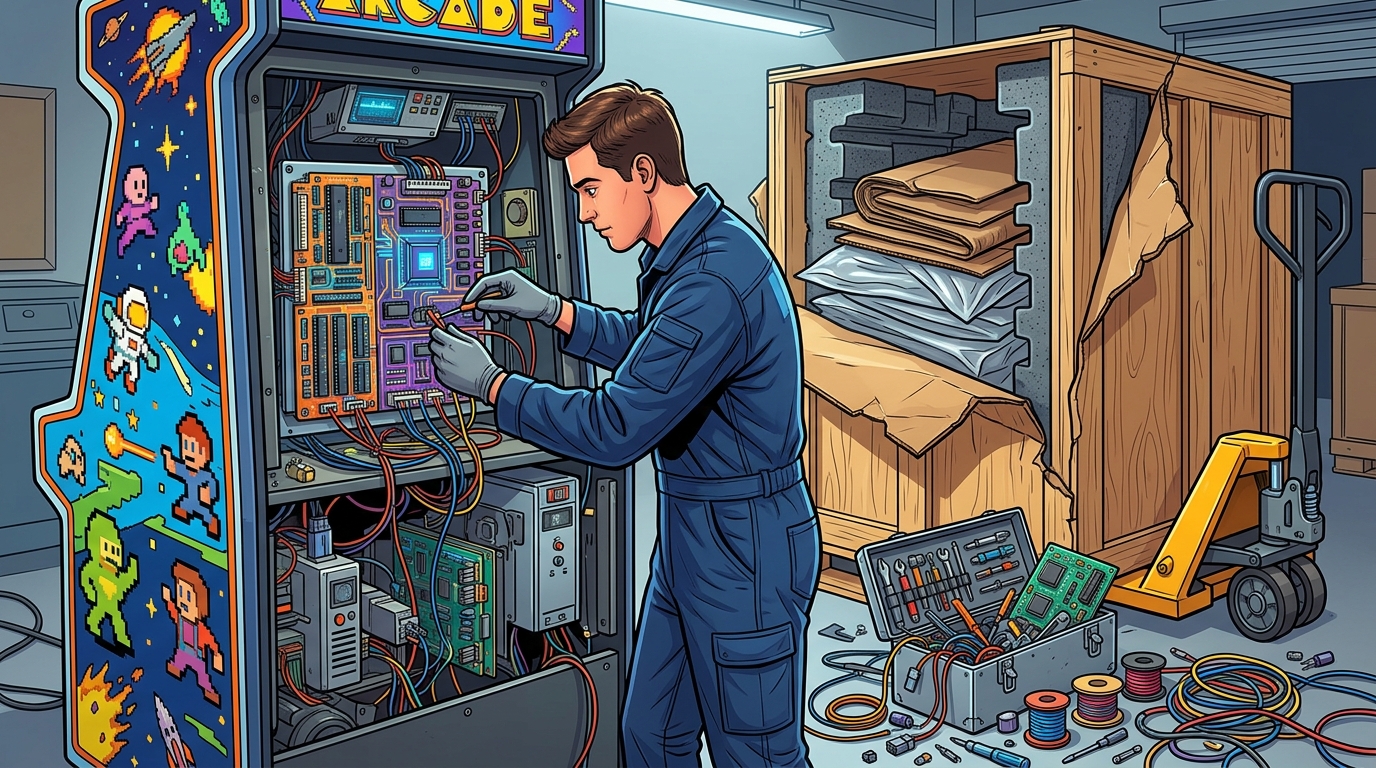
Buying your dream cabinet is a major win, but you need to budget for the final boss of arcade ownership, which is high-cost freight shipping. These heavy beasts do not just show up in a standard mailbox, so you should expect to pay several hundred dollars for liftgate delivery to your curb. If you want white glove service to get that machine into your neon-soaked game room without throwing out your back, the price tag will climb even higher. Always factor these logistics into your initial purchase price so you do not get hit with a Game Over screen before the power even flickers on.
Once your machine is safely tucked into its new home, the real maintenance quest begins for every dedicated cabinet owner. Buttons will eventually stick from too many intense combos, and joysticks might lose their clicky magic after a few late-night sessions with friends. Luckily, replacement parts like microswitches and springs are relatively cheap, but the costs add up if you are restoring a vintage unit with authentic hardware. Keep a small stash of spare parts in your inventory so you can perform quick swaps and keep the high scores rolling in without any downtime.
The most legendary challenge for vintage collectors is definitely the CRT monitor repair, which requires a bit more finesse than a simple software reboot. Old school glass screens are beautiful but finicky, often needing new capacitors or professional adjustments to keep those colors looking crisp and vibrant. If you are not comfortable poking around high-voltage electronics, you will need to set aside a repair fund for a specialist who knows their way around a chassis. Investing in these hidden details ensures your arcade stays in peak condition as the retro arcade machine cost for these retro treasures continues to skyrocket.
Navigating the neon-soaked waters of the arcade market does not have to result in a total game over for your bank account. Whether you are hunting for a budget-friendly bartop unit or a high-end racing simulator that makes you feel like you are drifting through a digital sunset, the key is knowing your price brackets before you pull the trigger. From entry-level home cabinets starting around $150 to those premium $18,000 motion simulators, there is a piece of hardware for every level of player. Keep a sharp eye on refurbished units and DIY kits if you want to stretch your tokens further while still achieving that authentic 1980s glow. Building your dream game room is all about balancing that retro aesthetic with smart spending so you can keep the high scores coming without the financial stress.
Your journey into the ultimate synthwave paradise is just beginning, and every pixelated detail counts when you are curating a space that screams retro-cool. Once you have secured that pristine cabinet and dialed in your budget using this guide, you will want the rest of your environment to match that high-energy vibe. A true digital sanctuary needs more than just a joystick to feel complete, especially if you find yourself spending long hours at your desk between gaming sessions. To keep the aesthetic consistent throughout your entire home, you can Upgrade Your Workspace With Retro Futuristic Office Supplies to ensure your productivity stays as flashy as your gaming. Discover how we can help you bridge the gap between classic arcade charm and a modern professional setup that truly stands out.
You can start your neon journey for as little as $150 to $600 with compact bartop units or entry level cabinets. These budget friendly machines fit on a desk and come pre loaded with classics so you can start chasing high scores immediately. It is the perfect way to get that retro glow without emptying your digital wallet.
Stepping into the $600 to $1,200 bracket gets you a serious hardware upgrade including better joysticks and light up marquees that pop. You will also find more robust frames and larger screens that can survive your most intense button mashing sessions. This is where you find the sweet spot between casual fun and hardcore gaming aesthetics.
Most entry level units are designed for quick assembly so you can jump into the action faster than a speedrunner. Many come with pre installed games which means you do not need a PhD in computer science to get your pixel fix. Just follow the simple instructions and prepare for total 1982 nostalgia.
The global arcade market is booming and high end simulators or rare vintage cabinets are treated like collector gold. When you move past the basic home units into professional territory, you are paying for premium builds and authentic hardware that holds its value. It is an investment in your status as the ultimate neighborhood gaming legend.
DIY kits are a popular option in the mid tier price range for those who want a custom look. These kits allow you to assemble a high quality cabinet while giving you the freedom to choose your own buttons and artwork. It is a great way to flex your creative muscles while keeping your budget under control.
The industry is actually exploding and is projected to hit a massive $31 billion by 2033. Everyone from casual players to serious collectors is looking for a piece of the joystick action right now. This means your arcade machine is not just a toy, it is part of a massive global movement of synthwave fans and gamers.