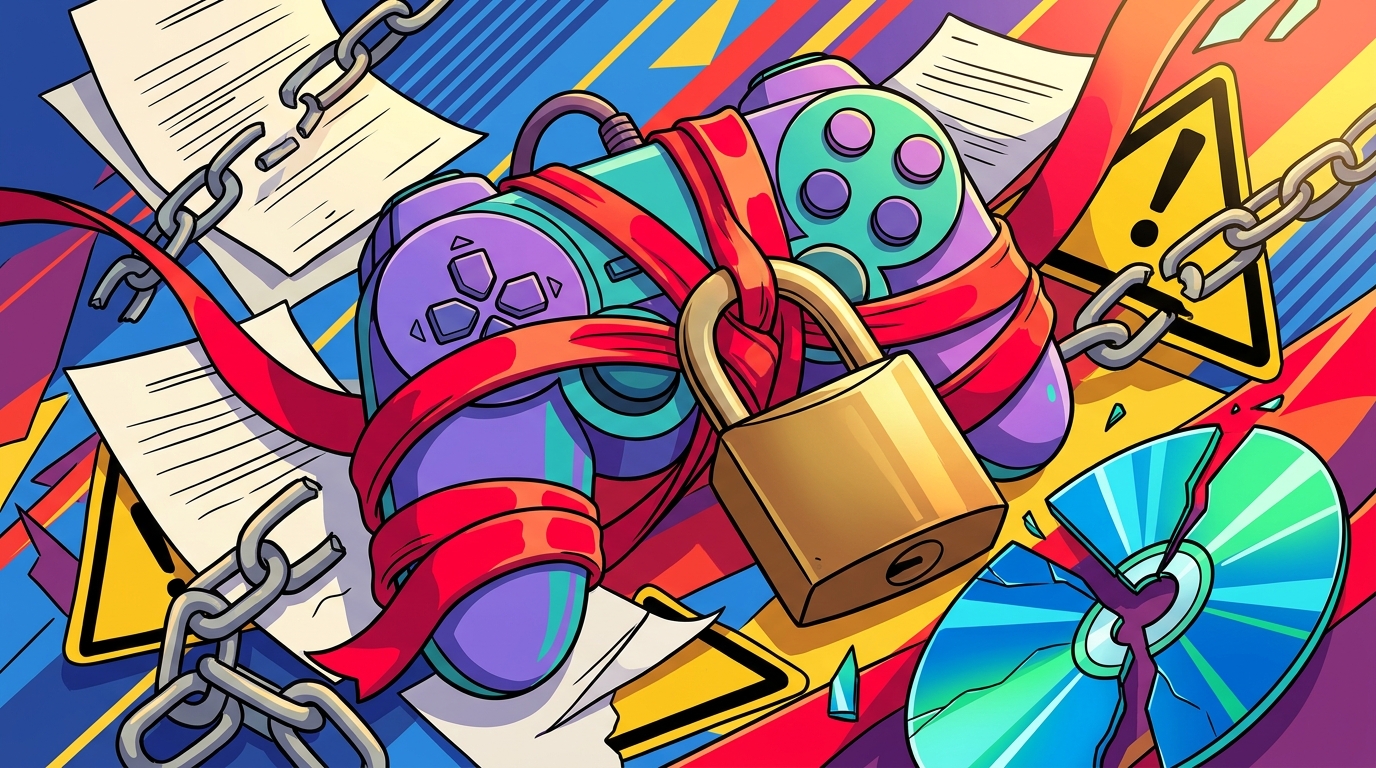
Licensing mistakes can turn a neon-powered hit into a copyright boss battle overnight. You might have the music cleared but not the recording, the character approved but not the likeness, or the game licensed for one platform while the others sit in legal limbo. One missing detail, and your pixel-perfect masterpiece could face takedowns, costly rewrites, or a very un-fun delisting screen.
The real trap is assuming “licensed at launch” means “safe forever.” Rights can expire, territories can be missing, and agreements can overlook new platforms, updates, or user-created content. Cue the sad synthwave soundtrack. Get the scope, paperwork, and renewal plan right before your game blasts off, and you can avoid turning your retro dream into an expensive game over.
A song in your game usually involves two separate rights: the musical composition, meaning the melody and lyrics, and the sound recording, meaning the specific performance you hear. You may need permission from the songwriters or their publishers to use the composition, plus permission from the artist and record label to use that recording. Think of it as needing two keys to unlock the same neon arcade cabinet. Clearing only one side can still leave your game stuck on the legal loading screen.
Dropping a famous track into your trailer or gameplay without checking its rights can lead to takedown demands, delayed launches, extra fees, or an expensive remix of your entire budget. The same warning applies to “royalty-free” music, which does not always mean free for every game, platform, territory, or commercial use. Read the license to confirm whether it covers streaming, ads, downloadable versions, user-generated videos, and future updates. If the paperwork says “personal projects only,” your commercial release may be heading straight into the boss battle.
Before you ship, keep written proof of every permission. Check how long the rights last, where they apply, and whether they cover sequels, ports, and new consoles. A custom track can prevent many clearance headaches, but it still needs an agreement stating who owns the composition and recording and how you can use them. For existing music, make sure the contract clearly names every required rights holder and permitted use. That small bit of paperwork can save you from watching your game disappear from digital shelves when the licensing clock hits zero.
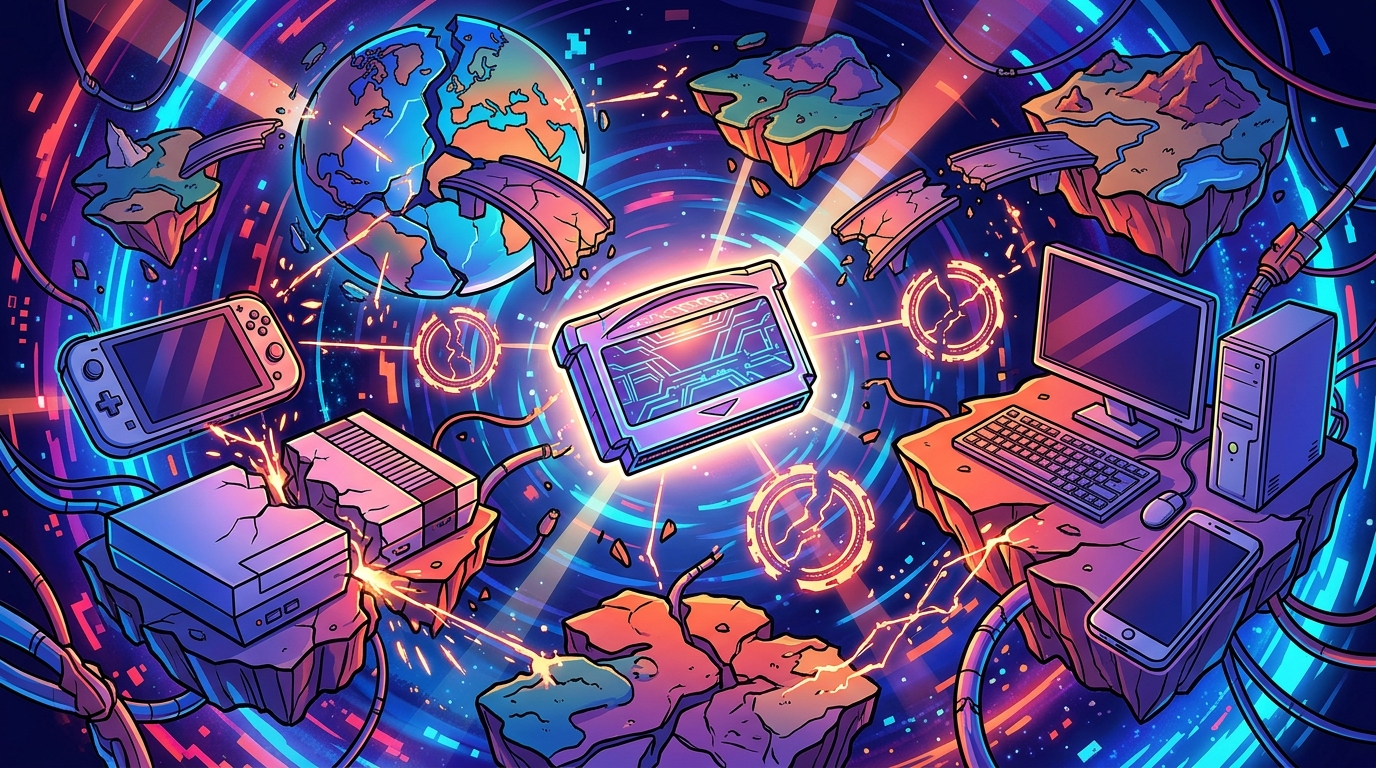
A game music license may cover one console, one country, and one release window, not every neon-lit path to your players. If your agreement names only one console, a PC port or mobile version could require fresh permission, even when the game itself is unchanged. Territories matter too. A track cleared for the United States may not be cleared for worldwide sales, and digital storefronts, retail discs, and subscriptions can count as separate channels. Treating “the game” as one giant rights bucket is how a smooth launch turns into an 8-bit legal boss fight.
The easy-to-miss uses often appear after launch, when the original deal is already fading into the sunset. Check whether your license covers downloadable content, remasters, soundtrack releases, livestreaming, trailers, demos, and subscription services, along with physical and digital editions. Release dates matter as well, because a short term can expire while players are still discovering your game. You may then have to remove music or renegotiate under pressure. Before choosing a track, get every platform, territory, channel, use, and term written down in plain language.
A rights checklist can save you from repeating the same costly mistake. Confirm that the agreement covers both the musical composition and the specific recording, then ask whether it allows ports, updates, sublicensing, marketing, and future editions. If you want fewer moving parts, compliant pre-cleared music or custom music created for your game can make the scope easier to manage from day one. That way, your soundtrack keeps glowing across the whole arcade instead of vanishing when the license screen flashes “Game Over.”
A handshake deal may feel friendly, but it will not help when your publisher asks who owns the soundtrack. Your contract should clearly cover sublicensing, so your publisher can distribute the game, trailers, demos, and promotional clips without triggering a rights boss battle. Spell out credit placement, payment dates, royalties, territories, platforms, and whether the license is exclusive. “Everywhere forever” is not a legal term, even if it looks great in neon arcade text. If someone created music or artwork specifically for your game, include clear work-for-hire or ownership language instead of relying on a heroic email from 2019.
Rights also need a scope that matches your game’s actual life cycle. Confirm whether the deal covers consoles, PC, mobile, streaming, downloadable content, updates, ports, physical editions, and future marketing, along with what happens when the license expires. A track cleared for the base game may not automatically cover a trailer, esports stream, or user-generated video. That surprise can turn your launch party into a very expensive game over screen. If you use pre-existing music, make sure you have permission for both the composition and the specific recording, or choose a properly licensed or custom-made track with terms built for your release plan.
Keep a clear rights folder before the project turns into a digital junk drawer full of ancient email scrolls. Store signed contracts, invoices, cue sheets, ownership records, credit instructions, renewal dates, approval messages, and proof that every contributor transferred or licensed the rights you need. Name files consistently and track who approved each asset, so you can answer a publisher’s clearance request without summoning a forensic archaeologist. A tidy paper trail may not look as cool as a synthwave title screen, but it can prevent delays, forced removals, and costly renegotiations later.
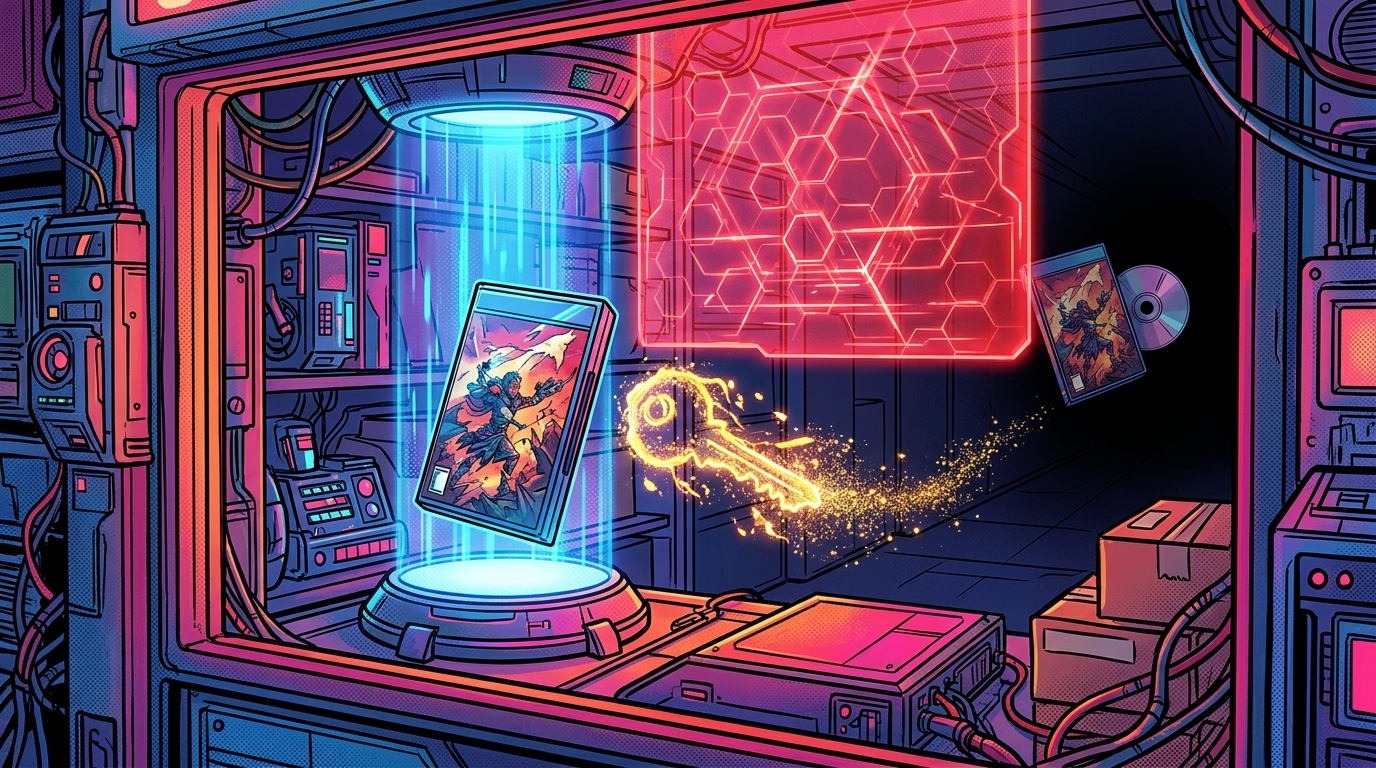
A short-term music or brand license can turn your launch-day victory lap into a very expensive game over screen. You may have permission to use a song, logo, character, car, or celebrity likeness at launch, only to discover that the rights expire two years later. If the contract does not cover every platform, territory, edition, and future release, you could face soundtrack changes, removed content, or even a full delisting. A game being delisted does not always mean anyone broke the rules, but an overlooked renewal date can still create a boss battle nobody planned for.
Before launch, track every license end date and decide what happens if renewal talks go sideways. Your takedown plan should identify which files, scenes, menus, trailers, and store assets need to change, who approves replacements, and how quickly you can ship an update. Replacement music is easier when your code supports swappable tracks and your team has backup cues ready. That beats searching for a new song while the digital storefront timer flashes red. Keep proof of permissions and confirm that updates, ports, downloadable content, and physical editions are covered too.
Custom music can help you avoid the classic “rights expired, soundtrack deleted” plot twist, especially when you secure clear rights for the game’s full life. Properly structured long-term licensing can offer similar protection by covering the right platforms, regions, media, promotional uses, and renewal options from the start. You should also confirm who owns the composition and the recording, because one song can hide two separate permission quests. Plan for the long haul now, and your neon arcade adventure is far more likely to stay playable instead of becoming a legendary cartridge from the internet museum.
The biggest licensing mistakes usually start with assets that slipped in under the radar, such as uncleared music, artwork, fonts, trademarks, likenesses, or third-party code. Music rights can be especially tricky because the composition and the recording may belong to different parties, so clearing one does not magically unlock the other like a secret arcade cheat code. You also need to check that your license covers every platform, territory, distribution method, and game edition you plan to use. One narrow permission may not cover the whole neon universe. A license that works for a PC launch may not cover consoles, streaming, trailers, physical copies, or future ports. Before release, keep your agreements organized and track expiration dates, because an old license can turn a thriving game into a copyright boss battle.
The safest move is to secure compliant licensing early, confirm every right in writing, and set reminders well before renewal deadlines arrive. If you want more creative control without summoning the copyright demon, custom music can give your game a distinctive sound while making the rights process easier to manage from the start. Explore our Custom Retro Soundtrack Services For Games And Films to discover how original, game-ready music can fit your project and licensing plan. With the right paperwork and a soundtrack that feels like it came straight from a glowing 1980s arcade, you can focus on making your game memorable instead of dodging legal fireballs.