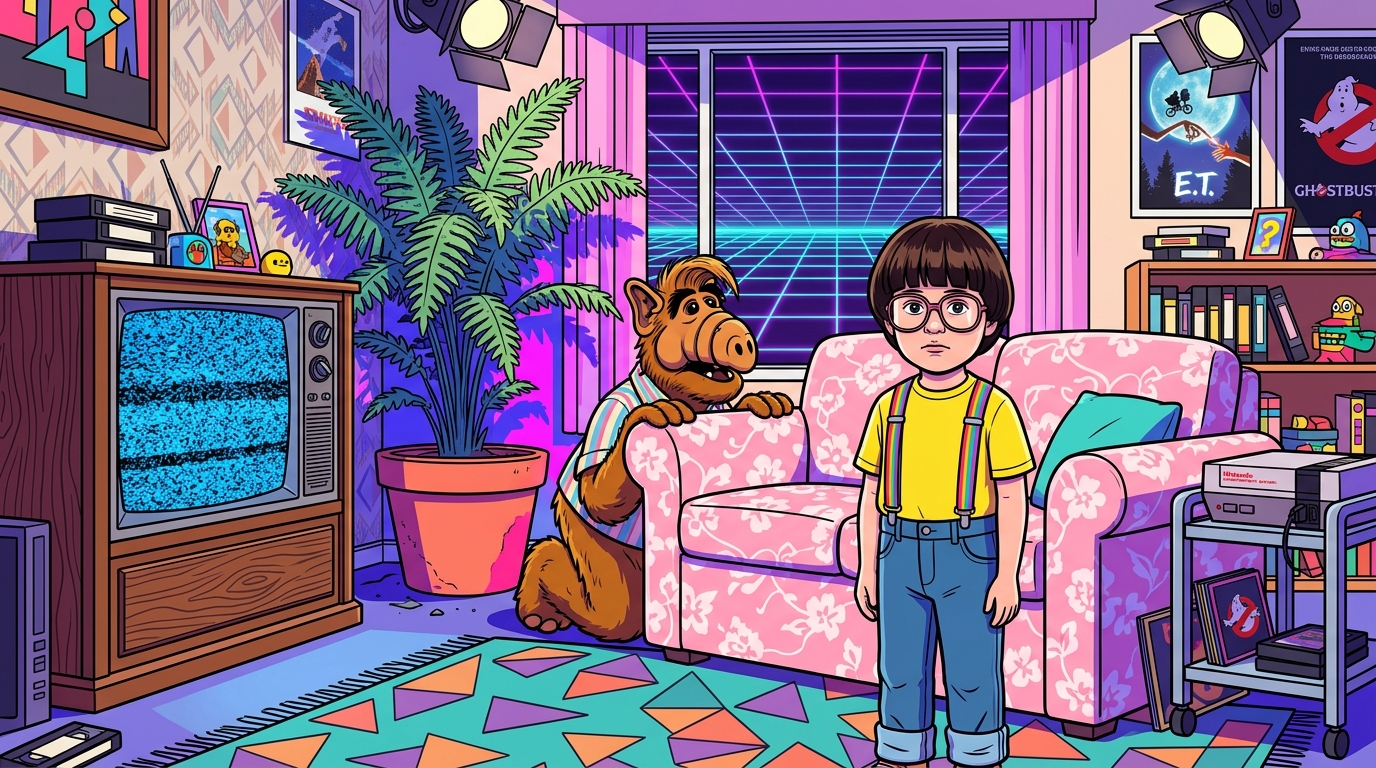
Dust off your neon windbreaker and grab a crystal-clear soda, because we’re traveling back to a decade where logic went to die. Before the heavy hitters took over the airwaves, TV was a fever dream of forgotten 80s sitcom tropes that make modern streaming look tame. You might remember the synth-heavy theme songs, but your brain probably blocked out the sheer chaos of prime-time television. It was a time when writers threw everything at the wall to see what stuck, usually resulting in a colorful mess of shoulder pads and laugh tracks.
Imagine coming home from the arcade only to find a robot child living in your house or a sarcastic alien snacking on the family cat. These high-concept shows traded the gritty realism of the seventies for pure, unadulterated weirdness that feels like a glitch in the simulation today. From magical housekeepers to suburban monsters, the tropes of this era were as loud as a commercial for a digital head and twice as confusing. Exploring these relics is like finding a dusty VHS tape at the back of a closet. It’s cringey, nostalgic, and absolutely legendary.
Imagine your typical suburban family dinner being interrupted not by a telemarketer, but by a literal robot daughter who plugs into the wall to recharge. The 1980s were a neon-soaked fever dream where every living room felt like a low-budget experiment gone wrong. You probably remember the uncanny valley vibes of a robot child who could lift a couch with one hand while delivering lines with all the charisma of a toaster. It was a time when writers seemingly threw darts at a board of sci-fi tropes to see what could pass as a relatable domestic struggle. These shows traded the gritty realism of the previous decade for high-concept gimmicks that were as loud and colorful as a game of Pac-Man.
The obsession with magical roommates did not stop at androids, as viewers were regularly treated to housekeepers who were actually witches or furry aliens hiding in the garage. You could turn on the TV and find a puppet trying to snack on the family cat or a magical nanny casting spells to fix a burnt casserole. These premises were often bizarrely specific, creating a world where having a supernatural entity in your kitchen was just another Tuesday. While the synthwave aesthetic of the era remains iconic, these shows often leaned into formulas that feel absolutely wild by today’s standards. They captured a unique moment in pop culture where the line between a family sitcom and a Saturday morning cartoon completely disappeared.
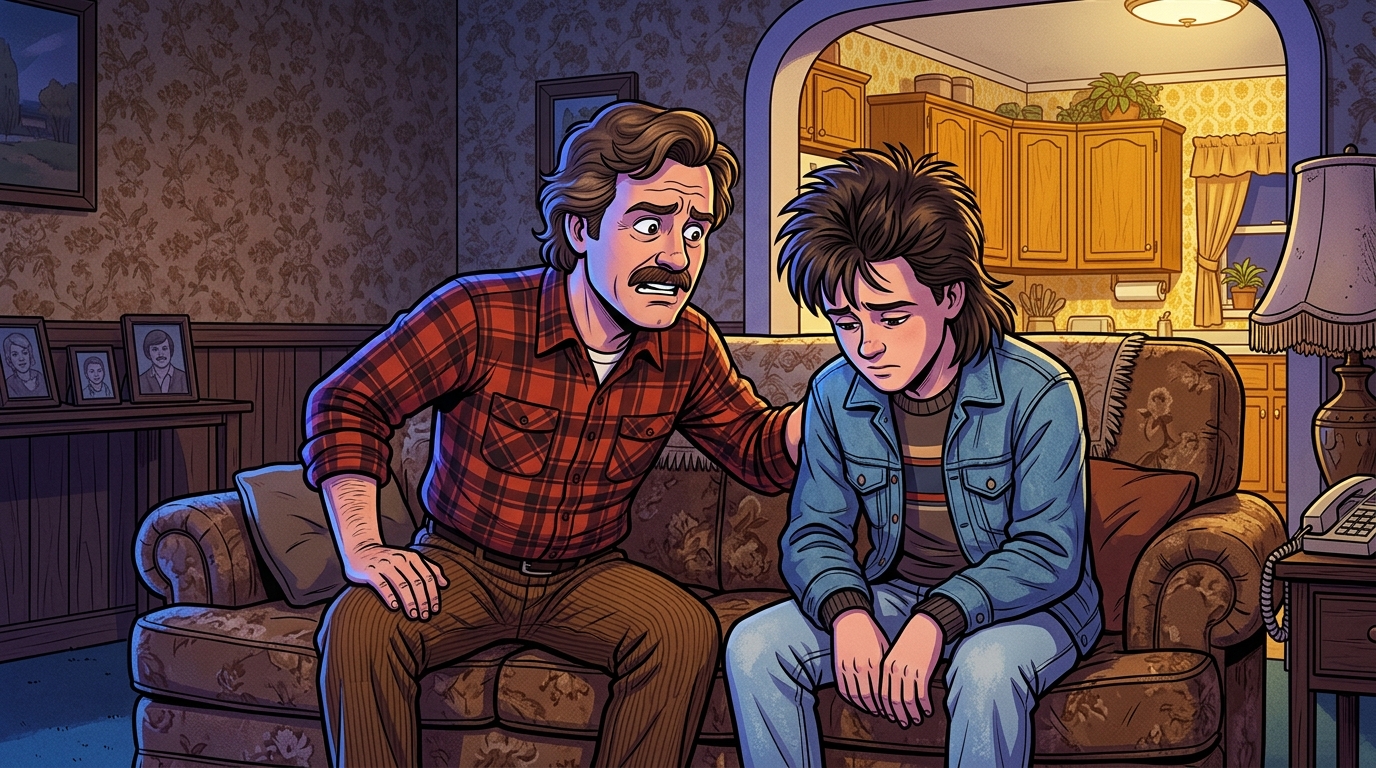
You are sitting on the floor with your neon-colored cereal, laughing at a wacky robot maid or a sarcastic puppet, when suddenly the bright studio lights seem to dim. The upbeat synth theme song is replaced by a slow, somber piano melody that signals a major vibe shift. You know exactly what is coming because the goofy protagonist has stopped making jokes and is looking directly into your soul. This was the legendary Very Special Episode pivot, where a show about a talking alien would abruptly decide to tackle the dangers of bicycle safety or peer pressure. It was like hitting a brick wall at sixty miles per hour, leaving you wondering how a sitcom about a magical nanny became a courtroom drama in the span of thirty seconds.
The most iconic part of this trope was the inevitable direct-to-camera lecture that happened right before the credits rolled. After twenty minutes of traumatic life lessons, the lead actor would step out of character to talk to you, the viewer, about making good choices. These moments were designed to be heartfelt, but they usually felt like getting a surprise detention from a teacher who was wearing a leather jacket and way too much hairspray. You would sit there in your pajamas feeling strangely guilty for something you did not even do while the somber music faded into a silent black screen. It was a bizarre ritual of 80s television that turned every wacky household into a temporary guidance counselor office.
Even though these episodes were meant to be serious, looking back on them today is a hilarious exercise in tonal whiplash. One minute a character is getting chased by a giant floating nose, and the next minute they are delivering a tearful monologue about the importance of saying no to strangers. The transitions were never subtle, often relying on a single dramatic close-up and the complete disappearance of the laugh track. We grew up in a decade where life lessons were delivered with a side of synthwave and high-waisted jeans, making for some of the most awkward yet memorable moments in pop culture history. These pivots are the ultimate nostalgic fever dream, proving that the 80s truly had no middle ground between slapstick and melodrama.
Picture a world where the only thing more neon than your windbreaker was the sheer absurdity of your living situation. In the 80s, writers loved to trap mismatched roommates who absolutely loathed each other in a cramped apartment just to see the sparks fly. You might remember the classic setup of two divorced men with opposite personalities trying to survive laundry day without killing each other. These shows relied on the idea that if you put a neat freak and a total slob in the same room, comedy gold would automatically follow. It was a simpler time when a thin drywall partition was the only thing standing between suburban bliss and a total nervous breakdown.
The trope reached peak weirdness when sitcoms started moving past mere personality clashes into high-concept territory. Suddenly, you weren’t just living with a rival coworker, you were sharing a kitchen with a literal alien or a robot disguised as a young girl. These unlikely arrangements forced characters to hide massive secrets while dealing with mundane chores, creating a vibe that was equal parts stressful and hilarious. You had to wonder why these people didn’t just move out, but the power of the contractually mandated laugh track kept them stuck together. It was the ultimate test of patience, wrapped in a synth-heavy theme song and a lot of questionable interior design choices.
If you ever feel like your own roommates are a nightmare, just remember that it could be much worse. You could be a straight-laced police officer forced to live with a wacky psychic or a professional wrestler trying to raise a family of nerds. The 80s specialized in these forced proximity puzzles where the solution was always a heartfelt talk right before the credits rolled. Even if the premises were totally unrealistic, they tapped into that universal feeling of being stuck with someone who just does not get your vibe. It was a decade of beautiful, messy chaos that paved the way for every awkward roommate comedy we still binge-watch today.
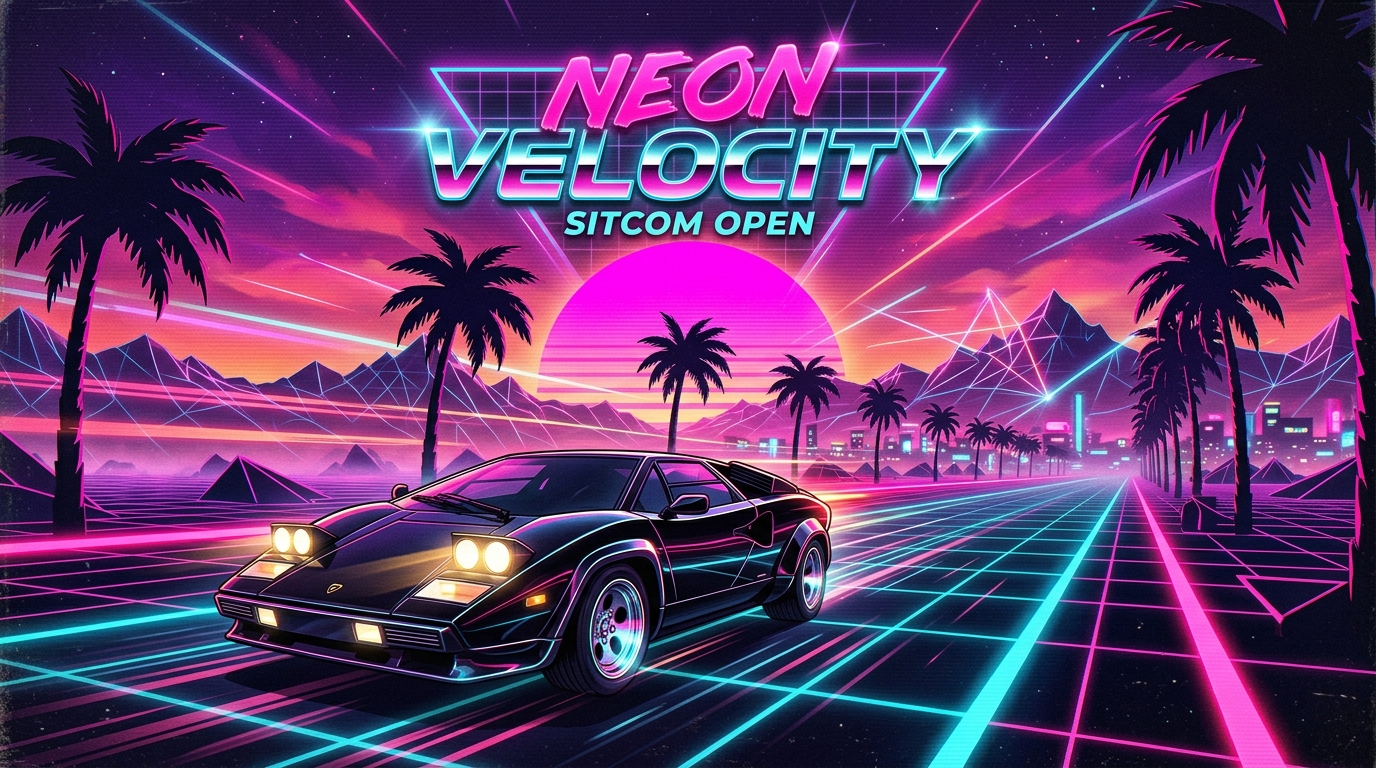
If you close your eyes and think of the 80s, you probably see a grid of neon purple lines stretching into a digital sunset. This music video aesthetic took over the sitcom world the moment music television became the coolest thing on the planet, turning every opening credit sequence into a flashy fever dream. You would sit through three minutes of glowing geometric shapes and aggressive synthesizer solos just to watch a show about a talking robot child or a grumpy alien. These intros were often high budget masterpieces that promised a level of excitement the actual thirty minute show could never hope to deliver. It was the ultimate bait and switch where the theme song was a certified banger, but the plot was just a dad getting mad about a broken vase.
The true hallmark of this era was the legendary freeze frame credit where a character would look at the camera and smile while their name popped up in a bubbly neon font. You remember the move where a kid would get caught doing something mischievous, like holding a slingshot, and then wink at the lens while a slap bass riff played in the background. Producers were obsessed with using every digital video effect available, from tacky star wipes to weird colorful trails that followed the actors as they walked. It did not matter if the show was a gritty reboot or a cyberpunk prankster gimmick about a witch housekeeper, because the intro had to look like a low budget music video. These sequences are pure nostalgia fuel that make you want to put on a denim jacket and pretend you are the star of your own Tuesday night lineup.
The 1980s were a neon-soaked fever dream where the Very Special Episode reigned supreme and having an alien or a robot in your guest room was just another Tuesday. We eventually moved away from these high-concept gimmicks because the sugary sweetness became a bit much for the cynical 90s to handle. As audiences craved more grounded realism, the era of the wisecracking puppet and the domestic witch faded into the static of late-night reruns. These shows were trapped in a specific time capsule of synth-heavy theme songs and shoulder pads that just didn’t translate to the digital age. Yet, even if the premises were totally bonkers, they offered a level of pure escapism that you just can’t find in modern television.
You probably still have a massive soft spot for these cheesy classics because they represent a time when TV wasn’t afraid to be completely ridiculous. There is something deeply comforting about a predictable formula where every problem, from a broken vase to a literal extraterrestrial invasion, is solved in exactly twenty-two minutes. Whether it was the glowing grid of a computer-generated teen or the wacky antics of a supernatural housekeeper, these tropes feel like a warm hug from a simpler era. We celebrate these forgotten gems today because they remind us of a time when the world felt a little brighter and every living room had a laugh track. Even if the CGI looks like a potato by today’s standards, the heart and humor of the 80s sitcom will always be a total vibe.
A high concept gimmick is when a show adds a totally wild sci-fi or fantasy twist to a normal family setting. Think of it like a glitch in the suburban matrix where your sister is a robot or your neighbor is a literal monster from space.
Not even a little bit. The 80s traded the gritty vibes of the 70s for pure neon chaos and fever dream logic. Writers cared more about shoulder pads and laugh tracks than making sense of how a robot child actually works.
It was the ultimate way to spice up boring domestic life without leaving the living room set. Whether it was an alien eating the cat or a housekeeper with powers, these magical guests kept things weird enough to distract you from your homework.
While the most famous mechanical child is the undisputed queen of the uncanny valley, she was part of a larger trend of mechanical family members. These shows loved the idea of a kid who could lift a car but had the personality of a toaster because it made for easy jokes.
Modern streaming is usually super serious and polished, while 80s sitcoms were loud and confusing. Watching these old relics feels like finding a dusty VHS tape that proves the 80s were basically a simulation gone wrong. Much like 80s cult movies, these shows have gained a second life through the power of nostalgia and home media.
The 80s were obsessed with technology and the future, so every intro had to sound like a low-budget arcade game. If you want to Back To The Future Your Living Room With Retro Futurist Style, these catchy tracks were designed to glue you to the couch before the first commercial break even started. Many of these TV shows and movies utilized the same visual language to define a generation’s imagination. Starting your own retro film and TV journey is the best way to rediscover these neon-soaked treasures.