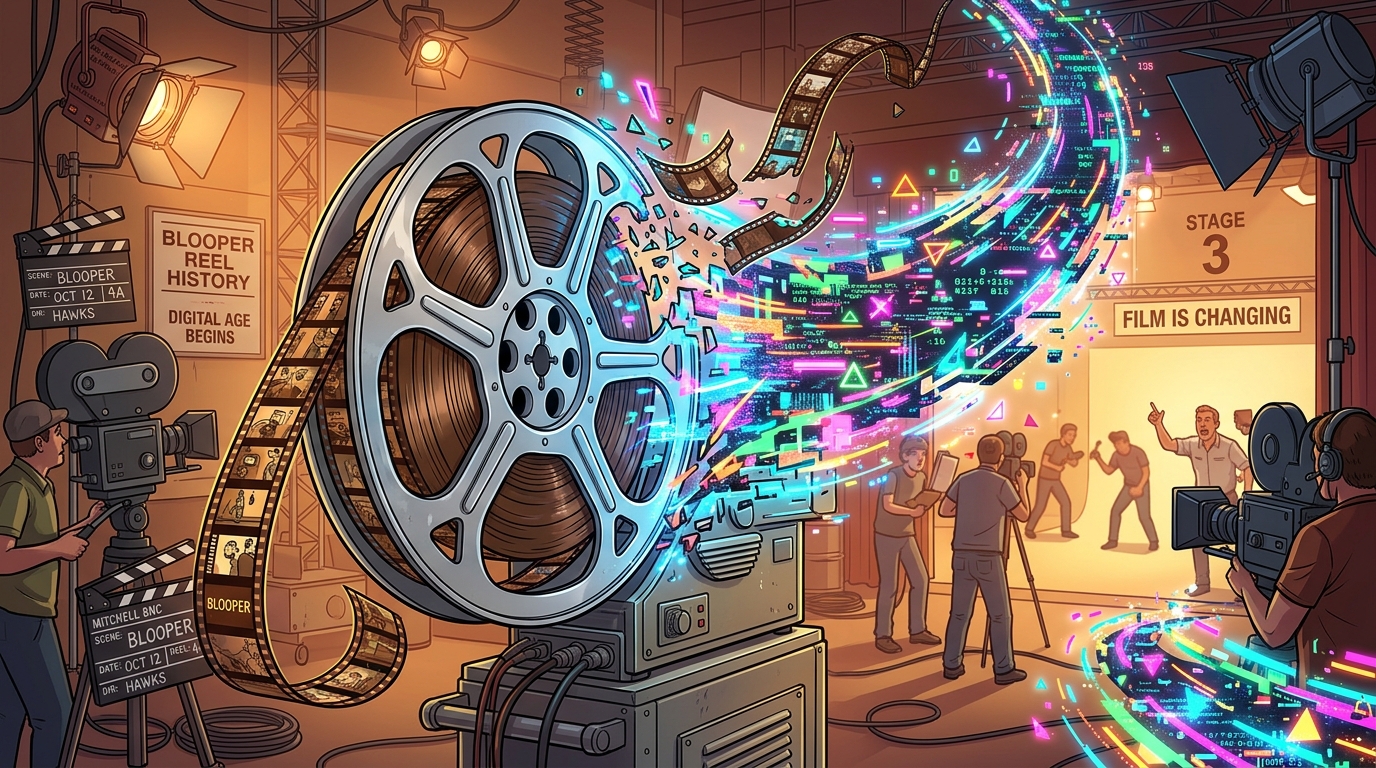
Picture yourself in a neon-soaked 1980s living room, rewinding a VHS tape just to see your favorite action hero trip over a prop. What started as a secret breakdown reel hidden in studio vaults has transformed into the ultimate vibe check for modern fans. Blooper reel history reveals that these hilarious mess-ups weren’t always for us; they were once private jokes shared only at exclusive Hollywood wrap parties.
Back in the day, if an actor dropped an f-bomb or a cartoon pig got a little too spicy, it was strictly off-limits to the public. Then came the era of radio bloops and viral records that proved everyone loves a good digital glitch in the matrix. Now, these outtakes are the gold standard of authenticity, proving that even the biggest legends on your screen are just as clumsy as the rest of us.
Long before you could scroll through endless fail compilations on your phone, Hollywood studios were hiding a treasure trove of secret mistakes. During the 1930s, major players put together annual films called Breakdowns that were never meant for the public eye. These reels featured glamorous Golden Age stars losing their cool, flubbing their lines, and letting out a string of curses that would have shocked the censors of the time. Imagine your favorite black and white movie icons suddenly acting like modern day gamers after a lag spike, and you will get the vibe of these private studio parties. It was the ultimate behind the scenes look at the human side of the silver screen, kept strictly under lock and key for internal laughs only.
The most legendary moment in this era of secret outtakes involves everyone’s favorite stuttering cartoon star, Porky Pig. In a special 1939 clip created just for the studio staff, Porky tries to hammer a nail, hits his thumb, and delivers a hilariously foul mouthed rant that definitely was not for kids. This wasn’t just a random mistake, but a carefully animated gag that showed the animators had a wild sense of humor when the cameras weren’t officially rolling. It is the kind of raw, unfiltered energy that feels like a precursor to the VHS blooper tapes we all grew up watching. Seeing a classic character break the fourth wall with a salty attitude is like finding a glitch in the matrix of film history.
While the term blooper actually started in the world of 1920s radio terminology to describe static noises, it eventually became the universal word for these glorious cinematic fails. These early reels are the true ancestors of the lo-fi aesthetic we love today, capturing the messy and authentic moments that make media feel real. You can almost see the tracking lines and hear the tape hiss when you think about these hidden gems being played in smoke filled backrooms. It is a reminder that even in the high pressure world of old school Hollywood, people still loved to lean into the chaos and laugh at themselves. Today, these vintage slip ups serve as the perfect foundation for our obsession with raw, unedited, and totally relatable content.
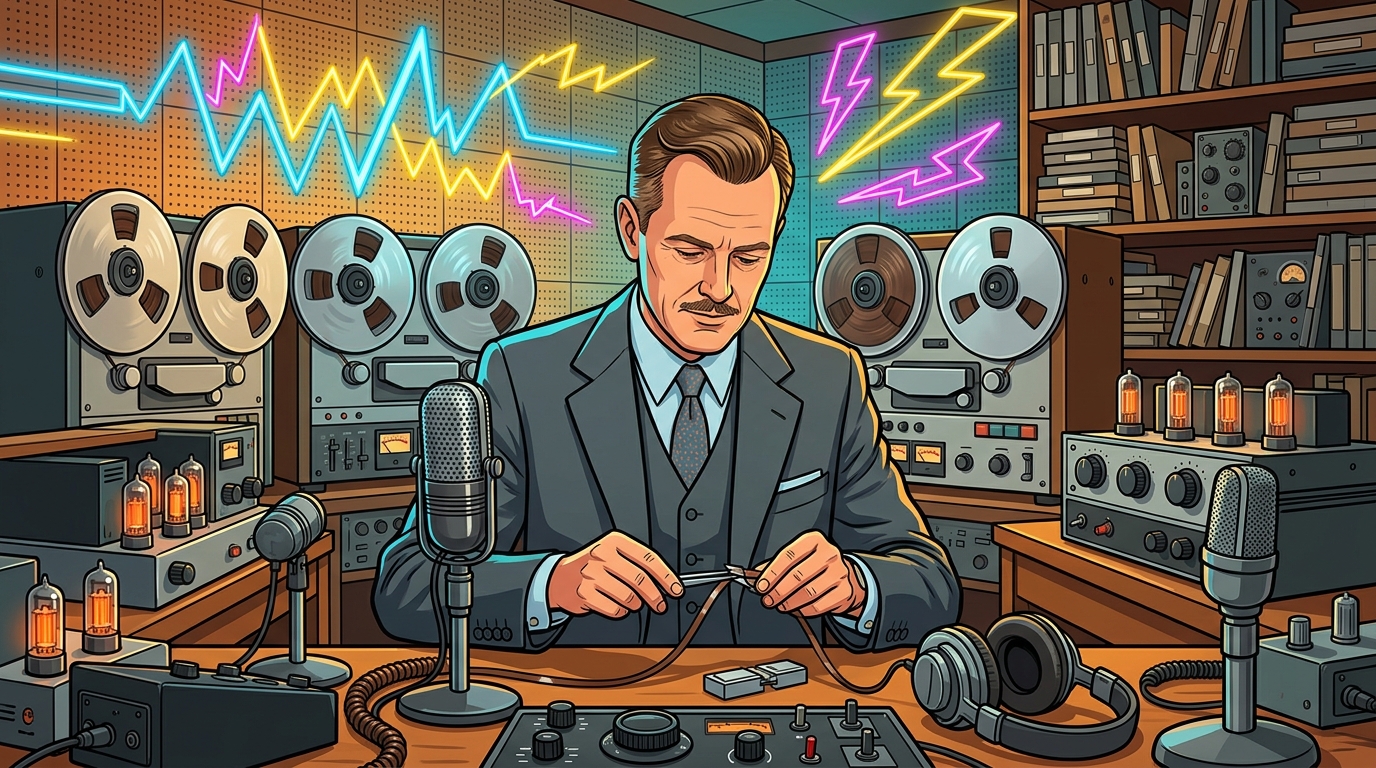
Long before you could scroll through endless fail compilations on your phone, the word blooper had a much nerdier origin story. Back in the 1920s, a bloop was actually just a loud, annoying burst of radio static caused by a receiver acting up. It sounded a bit like an electronic hiccup that would ruin a perfectly good broadcast, making it the ultimate vibe killer for early listeners. Eventually, people started using the term to describe any awkward on air mistake that broke the polished magic of the radio waves. It was the original glitch in the matrix, proving that even the most professional announcers could totally wipe out.
The real shift arrived in the 1950s when a producer decided to turn these broadcast disasters into pure entertainment gold. He released a series of record albums called Pardon My Blooper that featured hilarious clips of news anchors and actors losing their cool. While some of these tracks were actually re-recorded in a studio to sound more dramatic, they captured that raw, behind the scenes energy we all love. It was like the first ever viral meme format, packaged on vinyl for people to laugh at in their living rooms. This era turned the private embarrassment of a flubbed line into a public celebration of human imperfection.
You can think of these early records as the spiritual ancestors of the fuzzy VHS outtakes that defined the analog age. These productions proved that audiences absolutely crave seeing the mask slip, whether it is a newsman accidentally swearing or a voice actor tripping over their words. This fascination with the unscripted moment paved the way for the neon soaked gag reels that would eventually fill up the end of our favorite movie tapes. It is all about that relatable feeling of failing spectacularly while the cameras are rolling. Today, we still carry that same love for the accidental and the awkward, proving that a good blooper never really goes out of style.
If you think the VHS aesthetic is just about neon grids and synthwave beats, you are missing the best part of the tape, which is the glorious mess of human error. Back in the 1970s, creators realized that fans were hungry for a peek behind the curtain of their favorite starship. They started bringing reels of grainy, flickering outtakes to sci-fi conventions, turning accidental stumbles into legendary moments of comedy. You can almost feel the tracking issues on the screen as a captain forgets a line or a piece of the set falls over. These early screenings transformed simple mistakes into a secret handshake for the growing geek community.
While the fans were cheering for every tripped step and missed cue, the actors themselves were actually pretty nervous about their serious reputations. You have to remember that these stars were trying to maintain a stoic, professional image in an era before every mistake was instantly uploaded to the internet. They worried that showing their flubs would make them look like amateurs instead of trained performers. Producers had to convince them that being human only made the fans love them more. This shift in perspective helped pave the way for the modern era of authenticity where we value the real, unpolished moments just as much as the final cut.
Today, those shaky convention recordings feel like the ultimate retro treasure for anyone who loves the lo-fi charm of old media. It was the first time a massive audience got to see that their heroes were just as clumsy and goofy as everyone else. Instead of hiding the glitches, these reels celebrated the chaos of the creative process. This public outtake culture bridged the gap between the screen and the viewer, making the world of science fiction feel much more personal. You are essentially watching the birth of the modern gag reel through a lens of 1970s nostalgia and pure, unscripted joy. This same fascination with grainy VHS tapes and glitchy broadcasts has even fueled the rise of modern subgenres that find beauty in the technical imperfections of the past.
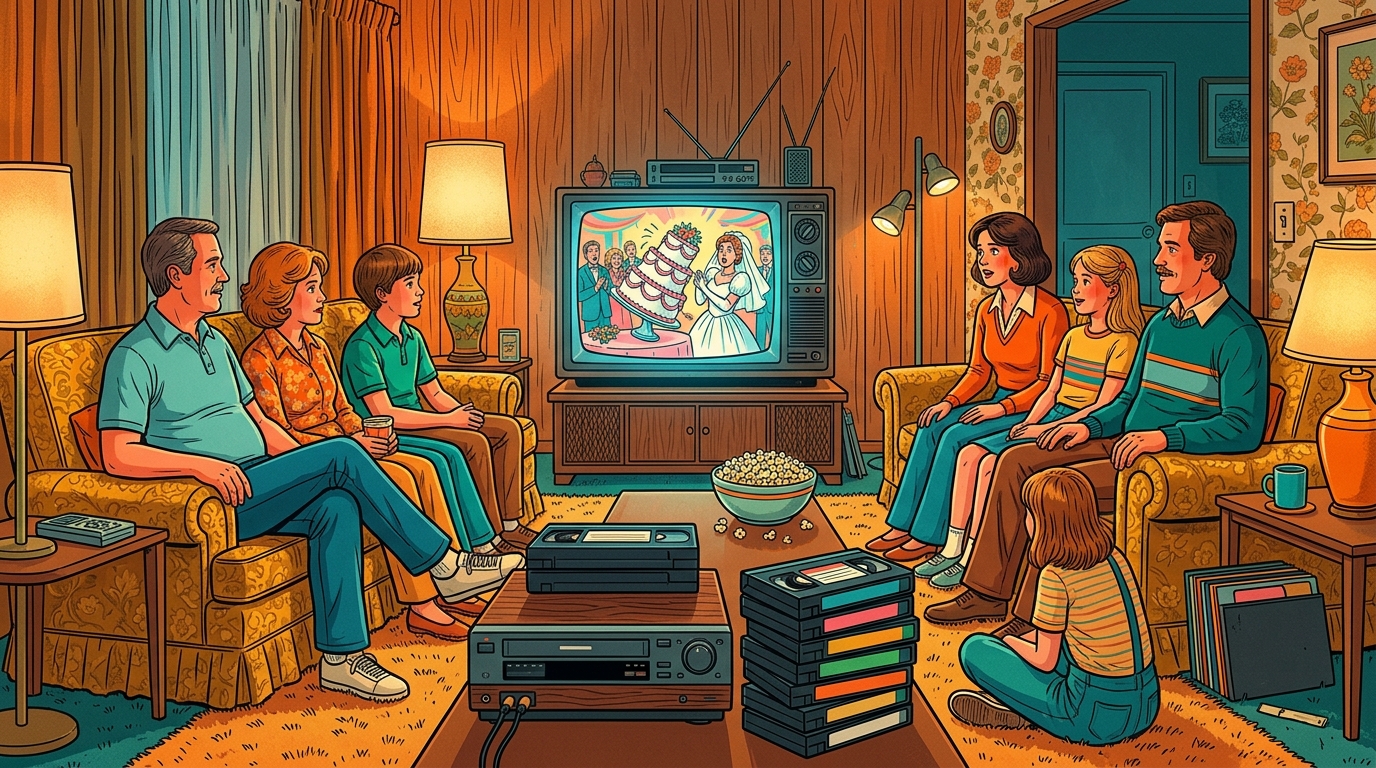
You probably remember the feeling of popping a chunky plastic tape into your VCR and waiting for the magic to happen after the final scene. During the 80s and 90s, the credits weren’t just a list of names, they were a neon-soaked victory lap filled with fumbled lines and accidental falls. This era turned the blooper reel into a household staple, transforming every living room into a private screening room for Hollywood’s most hilarious mistakes. It felt like you were getting a secret backstage pass to see your favorite action heroes and sitcom stars lose their cool in glorious, low-resolution quality.
The grainy tracking lines and flickering colors of a well-worn VHS tape only added to the charm of these classic outtakes. Producers realized that fans loved the raw authenticity of a missed cue or a prop malfunction, so they leaned into the aesthetic with synth-heavy soundtracks and flashy graphics. You would sit through the entire scroll of names just to catch one last glimpse of a star breaking character and laughing at their own expense. These moments of human error became a core part of the retro viewing experience, bridging the gap between the untouchable silver screen and your cozy basement couch.
By the time the 90s were in full swing, bloopers had evolved from hidden gems into a massive marketing tool that defined the decade’s pop culture. You could even find entire tapes dedicated solely to these gags, proving that we were all obsessed with the messy side of movie making. Many of these tapes featured stars from 80s cult movies who find a second life on home video. Whether it was a martial arts legend tripping over their feet or a serious dramatic actor getting the giggles, these clips humanized the giants of the industry. It was a time when the mistakes were just as iconic as the movies themselves, leaving us with a nostalgic love for every glitch and giggle caught on camera.
Watching our favorite icons trip over their lines or accidentally knock over a prop reminds us that even the most polished stars are just as clumsy as we are. There is something incredibly satisfying about seeing a high stakes action hero dissolve into a fit of giggles because they cannot pronounce a three syllable word. While the grainy, flickering charm of a VHS tape once made these moments feel like a secret shared between friends, the transition to 4K has only made the humanity more vivid. You are no longer just watching a low resolution mistake, you are seeing the genuine joy and frustration of a creative process that is rarely ever perfect.
The evolution of the gag reel from a private studio joke to a viral internet sensation shows our collective obsession with what happens when the mask slips. Whether it is a legendary actor swearing at a stubborn door or a cartoon pig losing his cool, these outtakes prove that the best entertainment often happens off script. You get to step behind the neon curtain and join the cast in a moment of pure, unscripted chaos that feels more real than any blockbuster explosion. In a world of filtered social media and hyper edited content, these raw blunders remain the ultimate digital comfort food.
As we continue to celebrate the history of the blooper, we are really celebrating the magic of the human mess. These clips serve as a time capsule for the laughter that echoed on sets decades ago, bridging the gap between the golden age of cinema and today’s meme culture. You can still feel that same sense of rebellious fun that the early animators felt when they tucked away their forbidden outtakes for private parties. So the next time you see a high definition flub, remember that you can recreate that retro masterpiece and join a long tradition of people who find the most beauty in the mistakes.
A breakdown reel was the 1930s version of a secret boss level. It was a private collection of movie mistakes and actors losing their cool, shown only at exclusive studio wrap parties far away from public eyes.
Hollywood used to be all about keeping that perfect, glamorous facade. Showing a movie star tripping or cursing like a sailor would have totally glitched the matrix and ruined the illusion of silver screen perfection.
In 1939, animators created a legendary secret clip where Porky Pig smashes his thumb with a hammer and lets out a hilarious, foul mouthed rant. It was a total inside joke for the studio staff that would have definitely broken the censors’ brains.
The shift started with radio bloops and comedy records that proved people loved a good unscripted fail. Eventually, the 1980s VHS era turned these outtakes into the ultimate vibe check for fans who wanted to see the human side of their heroes.
Watching a legendary actor flub a line is like seeing a glitch in a high definition game. It proves that even the biggest icons are just as clumsy as we are, making them feel way more relatable and authentic.
They are the gold standard of authenticity in a world of filtered feeds. Modern bloopers are the ultimate behind the scenes pass, giving you a front row seat to the real, unpolished chaos that happens when the cameras are rolling.