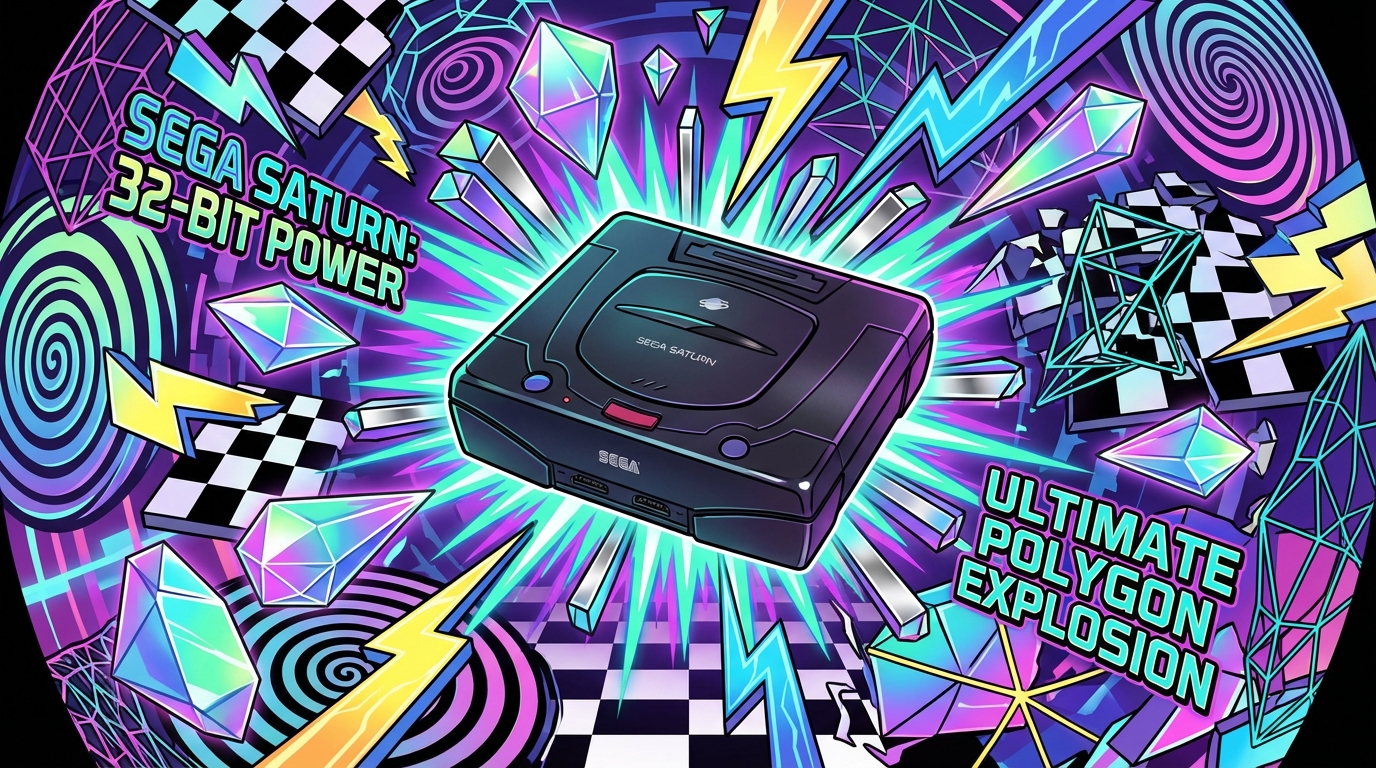
Strap into your cockpit and fire up the neon lasers, because we are exploring the colorful world of sega saturn box art. Back in the mid-90s, opening a new game was like a digital fever dream, but the vibe changed completely depending on where you lived. Whether you were rocking sleek Japanese jewel cases or those massive, chunky North American long boxes that could double as home defense weapons, the packaging was a total aesthetic mood.
Thanks to the magic of high-res digital scans, you can finally appreciate every pixel of these retro masterpieces without having to sell your soul on an auction site. From vibrant anime illustrations to those weirdly gritty Western renders, these boxes are a time capsule of pure synthwave energy. It is time to celebrate the glorious, inconsistent chaos of a console that truly lived on its own planet.
If you take a trip back to the mid nineties, you will notice that Japan was living in a neon soaked future while North America was still trying to figure out its closet space. Japanese Saturn imports arrived in sleek, standard CD jewel cases that felt like high tech artifacts from a digital dream. The artwork was often a masterclass in blue sky aesthetics, featuring vibrant illustrations that made you feel like you were soaring through a synthwave sunset. These covers leaned into the early 3D era with a sense of style and grace that looked perfectly at home on any designer bookshelf. It was a time when the packaging felt as lightweight and fast as the hardware itself, capturing that specific transitional magic of the decade.
Step across the ocean to the North American market and you will find yourself staring at the absolute unit known as the long box. These chunky plastic towers were over eight inches tall and seemed determined to dominate every retail shelf in sight. While they certainly made a statement, they often traded the elegant Japanese illustrations for gritty renders and bold, loud typography that screamed for your attention. You probably remember these oversized cases taking up way too much room in your bedroom while you tried to stack them without causing a plastic avalanche. They were the ultimate heavyweights of the era, proving that sometimes more is just more when it comes to old school marketing.
The contrast between these two worlds is a total trip for collectors who appreciate the weird evolution of digital graphics. You have the refined, minimalist vibes of the East clashing against the loud and proud oversized energy of the West. Looking at high resolution scans today really highlights how different the vibes were, even when the software inside was exactly the same. Whether you prefer the slim elegance of a jewel case or the sheer presence of a tall box, both styles capture a unique moment in gaming history. It is a colorful reminder of a time when the world could not quite agree on how the future of 3D gaming should actually look on a shelf.
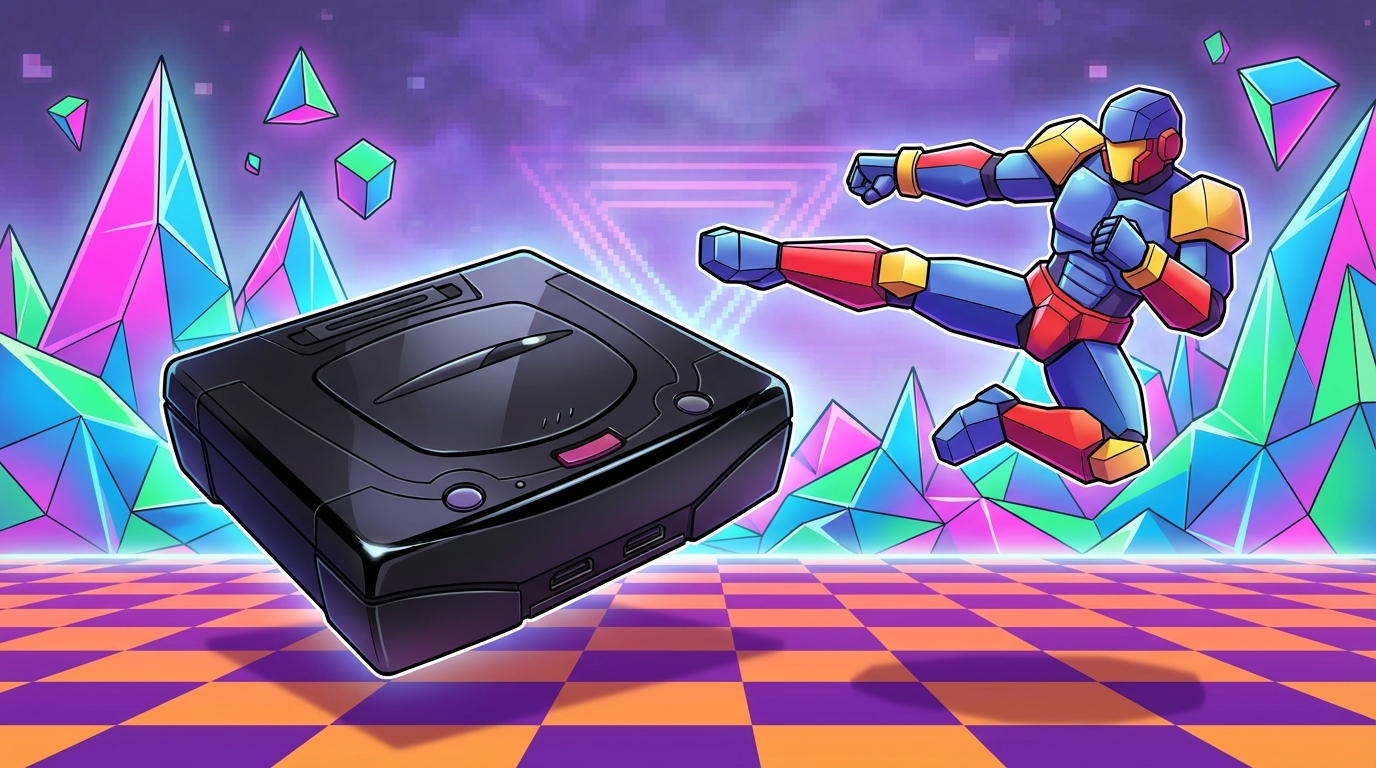
Step into a world where the sky is always a perfect shade of neon blue and every cloud looks like a fluffy, pixelated dream. The Sega Saturn era captured a very specific moment in time when developers were ditching hand drawn sprites for the brave new world of early CGI. You can see it in every cover, featuring those chunky, low poly character models that somehow managed to be both clunky and incredibly cool. These designs felt like a digital frontier, offering a glimpse into a future where everything was made of shiny triangles and bright, saturated colors.
You might remember staring at those box covers and feeling like you were looking at a high tech fever dream from a 90s tech commercial. The artwork often used experimental 3D renders that gave everything a plastic, toy like sheen, making the heroes and vehicles look like they belonged in a synthwave music video. It was a transitional phase where the art style was trying to find its footing, resulting in a charmingly weird aesthetic that you just do not see in modern gaming. These covers did not just sell a game, they sold a vibe that was all about speed, chrome, and those iconic blue sky horizons.
There is something deeply nostalgic about the way these early 3D graphics tried so hard to look realistic while remaining gloriously abstract. When you look at these old scans today, you are essentially browsing a digital art gallery of a lost era where the rules of design were being rewritten on the fly. It is a total trip for any collector who loves that specific blend of 90s anime aesthetic and chunky geometry. Whether it is a fighter with blocky fists or a sleek racing ship, the Saturn box art remains a masterpiece of experimental 90s personality that still hits all the right nostalgic notes.
Finding a mint condition North American Saturn game in the wild is basically the retro gaming equivalent of spotting a Bigfoot riding a unicorn through a field of four leaf clovers. You probably remember those massive, oversized plastic tall boxes that looked like they were designed to survive a nuclear blast but actually had the structural integrity of a wet cracker. These behemoths were supposed to scream high tech 90s luxury, yet they mostly just screamed in agony when you accidentally breathed on the hinges. One small bump and your pristine copy of a polygon heavy brawler suddenly has a hairline fracture running straight through that beautiful blue sky cover art. It is a cruel irony that the era of tough aesthetics gave us cases that shatter if you even think about stacking them.
The struggle is even more real when you look at the early cardboard variants that seemed to disintegrate the moment they left the store shelf. You might find a disc that looks like it was forged in the fires of a digital synthwave sunset, but the box it comes in usually looks like it was chewed on by a very determined golden retriever. Collectors spend their weekends hunting for that one mythical copy that has not been crushed by the weight of a heavy CRT television or victimized by a cracked spine. It is a high stakes game of plastic surgery where you are constantly swapping out broken lids and praying the delicate tabs do not snap off in your hands. Keeping these relics intact requires the steady hands of a surgeon and the patience of a monk living in a neon grid.
Despite the absolute headache of keeping them in one piece, there is something undeniably charming about that clunky and fragile 3D era presentation. Those giant cases provided a massive canvas for the vibrant, experimental graphics that defined the mid 90s transition into the third dimension. You get to enjoy huge spreads of low poly characters and bright primary colors that just would not fit on a standard CD jewel case. Even if the plastic is held together by hope and a prayer, seeing that iconic logo on your shelf feels like owning a piece of a digital frontier. It is a beautiful, brittle mess that perfectly captures the energy of the decade.
The Sega Saturn box art era remains a total vibe that perfectly captures that radical transition into the world of early 3D graphics. You can almost feel the warm breeze of those iconic blue sky aesthetics radiating from the vibrant covers of your favorite arcade ports. Whether you are staring at the sleek Japanese jewel cases or those hilariously oversized North American tall boxes, the bold typography and neon-soaked palettes scream peak 90s energy. It was a time when digital art was finding its footing, resulting in a unique look that feels like a playable synthwave album cover. These designs did not just sell a game, they invited you into a futuristic world of low-poly dreams and experimental layouts.
Viewing these high-resolution scans is like taking a digital vacation back to a time when every cover felt like a masterpiece of experimental design. You might find yourself laughing at the sheer audacity of those massive plastic cases, but you cannot deny the charm of such distinct regional identities. Collectors and design nerds alike can appreciate how these visuals bridged the gap between the pixelated past and our high-def future. As you wrap up this journey through the Saturn library, remember that these boxes are more than just packaging for old discs. They are colorful time capsules that continue to inspire anyone who wants to learn how to create their own retro-inspired visuals that capture that classic, sunny day at the arcade feeling.
The Sega Saturn box art era serves as a beautiful time capsule of that mid 90s transition from pixels to those chunky, glorious early 3D polygons. You can really feel the blue sky energy radiating from every jewel case and oversized plastic box, capturing a moment when the digital future felt bright and full of neon possibilities. Whether you are hunting for the sleek Japanese imports or the massive North American tall boxes that take up way too much shelf space, each piece of art tells a story of a world moving into a new dimension. These designs are more than just packaging because they represent a specific pixel art aesthetic peak for collectors who miss the days of bright colors and experimental digital graphics.
Checking out these high resolution scans is like taking a virtual vacation back to a time when game covers were weird, bold, and unapologetically experimental. You get to see how different parts of the world viewed the same game, from the elegant illustrations in the East to the bold and sometimes bizarre photography used in the West. It is a total vibe for anyone who loves synthwave aesthetics or just wants to remember when opening a new game felt like a major event. By preserving these visuals, we keep that unique 90s spirit alive for every designer and gamer who still dreams in low poly counts and vibrant gradients. This era perfectly illustrates the evolution of synthwave through video games and their iconic packaging. Grab your virtual sunglasses because this trip down memory lane is as bright as a summer day in a classic arcade.
Those chunky plastic towers were basically the tanks of the gaming world, standing over eight inches tall to dominate your shelf space. They were built like home defense weapons and often featured gritty Western renders that traded Japanese sleekness for pure 90s attitude.
Japan was living in a neon soaked future with sleek, standard CD jewel cases that looked like high tech artifacts. These covers featured vibrant blue sky aesthetics and anime illustrations that felt like a masterclass in synthwave style.
The Saturn lived on its own planet where every region had its own wild vibe, resulting in a glorious mess of artistic styles. You get everything from elegant Japanese masterpieces to weirdly gritty Western renders, making the console a total time capsule of 90s chaos.
You can skip the auction site soul-selling thanks to the magic of high-res digital scans available online. These digital archives let you appreciate every pixel of that synthwave energy and those neon lasers from the comfort of your own cockpit.
It is a total digital fever dream filled with synthwave energy, neon lasers, and early 3D era magic. The artwork captures a specific transitional decade where every cover felt like a trip through a vibrant, pixelated sunset.
Unless you have a closet designed for plastic skyscrapers, these absolute units are notorious for being space hogs. They were determined to hog every inch of retail shelf space back in the day, and they still demand total respect on your bookshelf today.