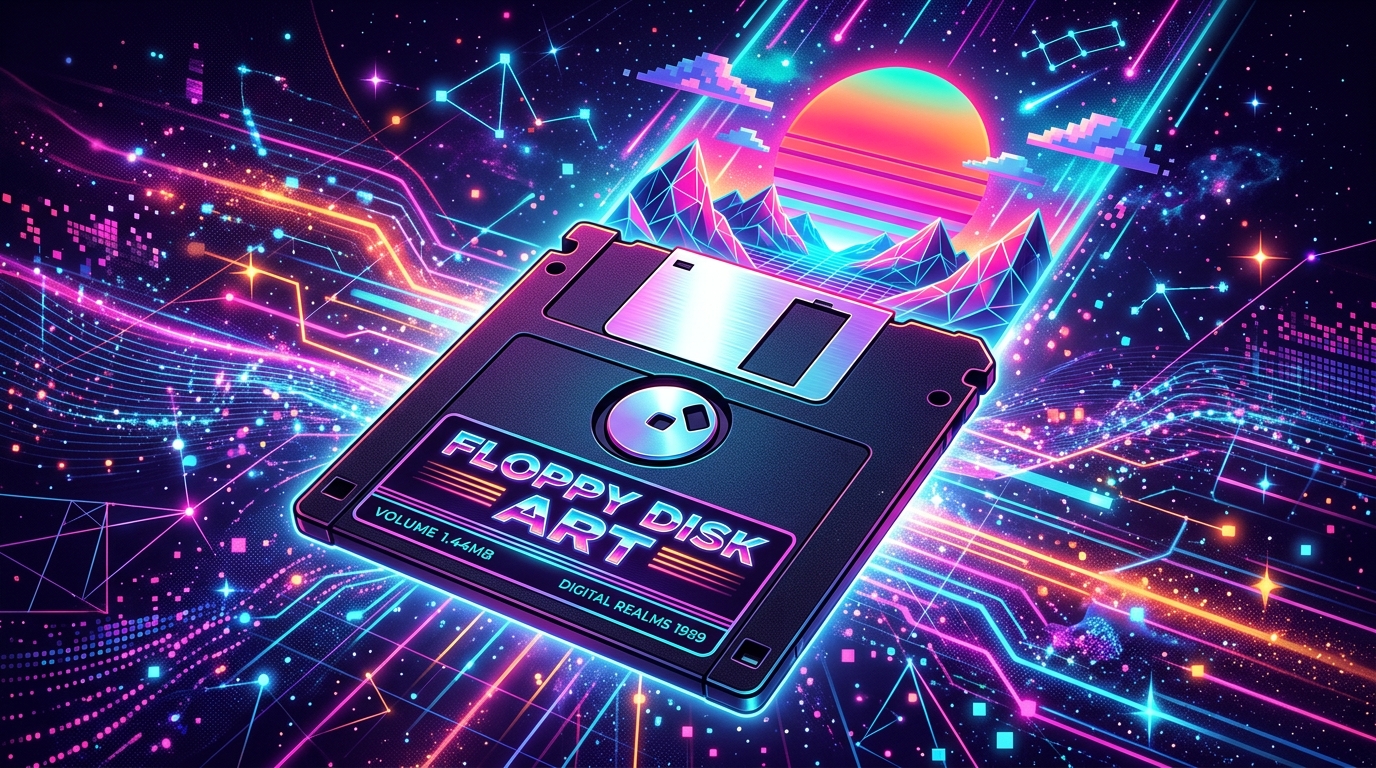
Remember that satisfying click-clack sound of sliding a plastic square into your computer to play a pixelated masterpiece? While your old save files might be toast, your dusty collection of 1.44MB relics is making a comeback as the hottest canvas in the synthwave scene. Today, floppy disk art is more than just a crafty way to upcycle; it’s a full-blown movement where neon aesthetics meet the ghost of the early internet. You’re looking for a way to turn that digital junk drawer into a gallery-worthy tribute to the 80s, and honestly, your inner retro-gamer is screaming for it.
The coolest part isn’t just painting on the outside, but actually hacking the magnetic guts to hide secret pixel art inside the data itself. Modern creators are treating these donated disks like time capsules, using the old handwritten labels and forgotten files to tell a story that’s half-human and half-machine. It’s the ultimate vibe for anyone who loves sustainability mixed with a heavy dose of nostalgia. You can finally stop feeling guilty about hoarding that box of old software trials and start turning them into high-tech relics that would make any cyberpunk proud.
You probably remember these plastic squares as the save icon brought to life, but creative geniuses are now using them as the ultimate canvas for retro masterpieces. Instead of letting those old 3.5 inch disks rot in a landfill, artists assemble them into massive, textured surfaces to paint stunning portraits. You will notice that the handwritten labels and old stickers are left visible, acting as a collaborative ghost of whoever owned the disk back in 1995. It is a total vibe that mixes high end gallery art with the dusty aesthetic of a basement gaming setup. These pieces turn forgotten data into physical history, making sure those old spreadsheets and classic game saves live on as something beautiful.
If you think these disks are just for show, you are in for a serious surprise because the tech is getting even weirder. Some hackers and artists are now using specialized tools to literally paint pixel art onto the magnetic guts inside the casing. By messing with track timing diagrams, they can hide secret black and white images that you can only see with specific software. It is like a digital Easter egg hidden inside a physical object, perfect for anyone who loves that mysterious synthwave mystery. You get a piece of art that exists in two worlds at once, bridging the gap between a tangible relic and a digital ghost.
This movement is taking over the synthwave and retro tech scenes because it feels like a neon soaked dream from a simpler time. You can find limited edition physical releases where the disk itself is the art, complete with custom labels that look like they fell out of a cyberpunk movie. It is all about celebrating that clunky, tactile feel of old hardware while giving it a fresh, neon glow for the modern era. Whether you are a hardcore gamer or just someone who misses the sound of a grinding disk drive, this art form hits all the right nostalgia buttons. You are not just looking at trash, you are looking at the soul of the early internet preserved in plastic.
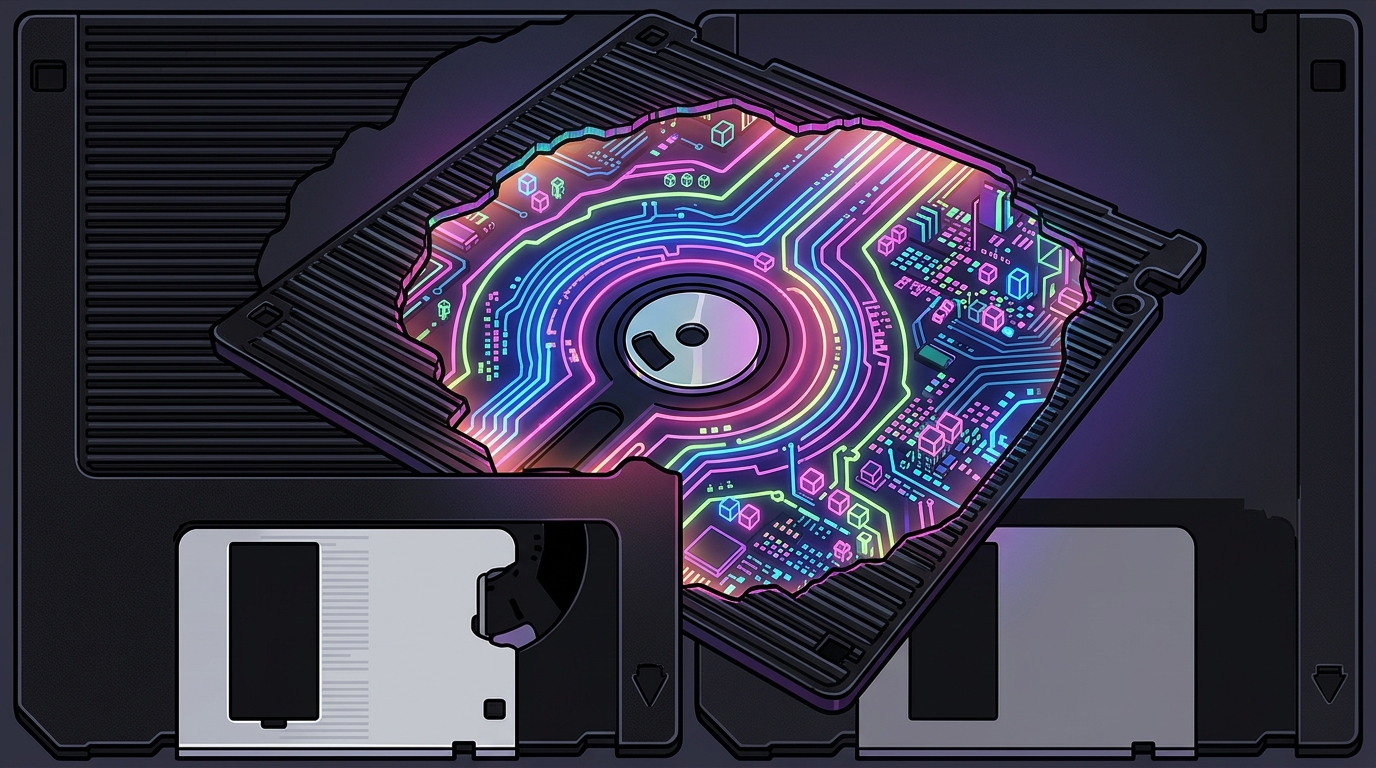
You might think that old floppy disks are just plastic squares meant for landfills, but tech wizards are turning them into secret canvases using specialized software. Instead of just saving a spreadsheet, these creators are manipulating the actual magnetic timing diagrams to paint hidden pixel art directly into the disk tracks. It is like a digital magic trick where the data itself becomes the brushstroke, creating black and white images that stay invisible to the naked eye. This process turns a dusty piece of 80s tech into a high tech artifact that feels right at home in a neon soaked synthwave dream. You are not just looking at a storage device anymore, you are holding a piece of coded graffiti that bridges the gap between physical objects and the digital void.
This movement is about more than just clever coding, as it taps into a deep sense of nostalgia for the early internet and the tactile feel of physical media. Artists are using donated disks to create social art, treating the old handwritten labels and the mystery data inside as part of a collaborative story. When you pick up one of these disks, you are touching a piece of personal history that has been upgraded with a secret layer of modern creativity. It is the ultimate DIY project for anyone who loves the aesthetic of retro gaming and wants to preserve the past in the coolest way possible. By turning magnetic tracks into masterpieces, you are helping to keep the spirit of the floppy alive for a whole new generation of hackers and dreamers.
You can finally put those dusty stacks of plastic squares to better use than just sitting in a cardboard box under your bed. In the vibrant world of synthwave and lo-fi music, artists are ditching boring digital downloads to release limited edition albums on actual floppy disks. These physical releases look incredible on a shelf with their neon labels and retro charm, even if they only hold a few minutes of crunchy, bit-crushed audio. It is the ultimate flex for your desk setup, proving you appreciate that retro sci-fi vibe enough to own music you might not even have a drive to play.
If you are feeling crafty, you can transform these relics into awesome DIY decor that keeps non-biodegradable waste out of the landfill. Creative fans are gluing disks together to make colorful planters, pen holders, and even pixelated wall murals that scream retro-cool. Some high-tech artists are even using clever software to paint secret images directly onto the magnetic tracks, turning your old data into hidden masterpieces. Whether you are building a glowing cyberpunk lamp or just displaying a rare indie EP, you are helping turn obsolete tech into a permanent piece of social art.
It is finally time to embrace the neon glow of the 80s aesthetic and realize that your dusty old save files are actually the foundation for the coolest art movement in the retro tech universe. Those plastic squares you used to hoard for your school projects have transformed into a canvas for DIY masters and synthwave fans alike. Whether you are using them as a physical medium for oil painting or releasing a limited edition chiptune album on a colorful disk, you are breathing new life into a dead format. You do not need to be a tech wizard to appreciate how a simple stack of storage media can become a masterpiece of social art. It is all about capturing that nostalgic vibe while keeping these iconic pieces of plastic out of the landfill.
The future of this movement is even wilder than a Saturday morning cartoon marathon thanks to new ways of mixing data with design. You can now find artists who use clever software to paint pixel art directly onto the magnetic tracks, creating secret images that hide inside the disk itself. This blend of physical hardware and digital mystery makes every piece a conversation starter for your gaming setup. By using donated disks with their original handwritten labels, you are essentially collaborating with a stranger from the past to create something totally unique. It is the ultimate way to honor your digital history while making sure your shelves look like a scene straight out of a vintage computer hardware movie. This aesthetic revival is similar to how retro computer magazines are finding new life among collectors who crave a tangible connection to the past.
You absolutely can, and it is the best way to give that plastic square a second life. Just make sure to give the surface a quick wipe-down so your neon colors stick to the vintage plastic. You are basically turning a boring office supply into a high-end masterpiece that looks killer under blacklight.
Keep them exactly where they are because those messy scribbles are part of the soul. Leaving the original label visible adds a layer of human history to your art. It creates a collaborative vibe between you and the person who owned the disk decades ago.
Acrylic paints or even paint markers work best for getting those vibrant synthwave colors to pop. Since the casing is just textured plastic, you want something that dries fast and stays bright. It is like giving your disk a neon suit of armor that will never fade.
Hacking the magnetic guts to hide pixel art is the ultimate pro move for any digital wizard. You can actually manipulate the data to create secret images that live inside the disk’s memory. It turns your art into a literal time capsule that stores your creativity in a 1.44MB ghost world.
Check your parents’ attic, hit up some thrift stores, or raid that box of old trial disks you have been hoarding. People are practically giving these away, making them the most sustainable and budget-friendly canvas in the galaxy. You are saving the planet while building a cyberpunk shrine, which is a total win-win.
Unless you have a vintage computer and a lot of patience, that data is mostly just a digital ghost now. Most of those old files are toast, which is why turning them into physical art is the best way to honor them. You are transforming dead spreadsheets into a living tribute to the golden age of gaming.