thought
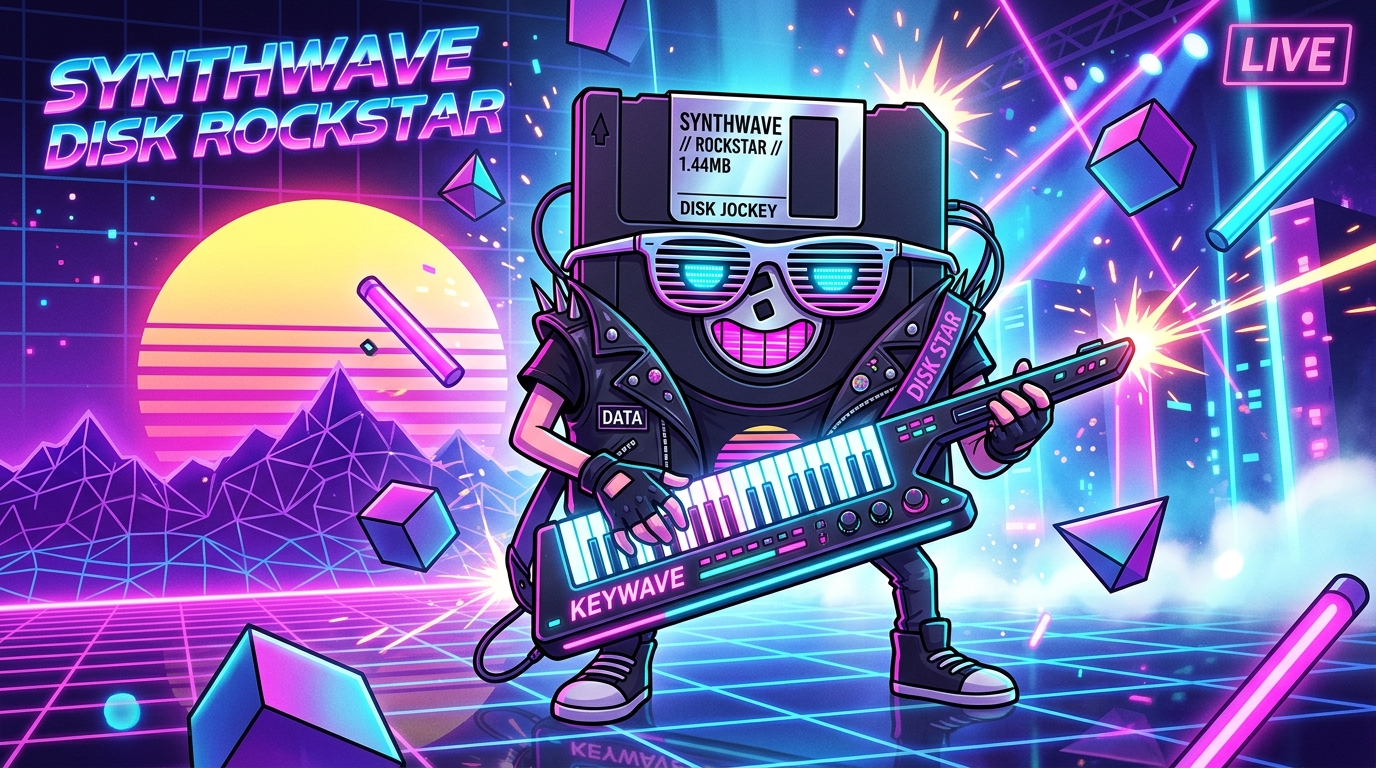
Picture this: you’re cruising through a neon-soaked grid in your favorite 80s dreamscape, but instead of a high-tech laser disc, you’re holding a chunky piece of plastic that holds less data than a modern selfie. Welcome to the world of floppy disk music, where the storage is tiny but the vibes are absolutely massive. While the rest of the world is chasing lossless streaming, a dedicated underground scene is proving that 1.44 megabytes is plenty of room for a masterpiece. It’s part retro-rebellion, part DIY art project, and entirely obsessed with that satisfying clack sound.
You might think these relics belong in a museum next to your old chunky Game Boy, but they’re actually having a bigger moment now than they did back in the day. With over 500 releases popping up this decade alone, artists are squeezing experimental synthwave and punk anthems into spaces smaller than a single high-res photo. It’s the ultimate flex for anyone who loves low-fi aesthetics and the thrill of making ancient tech do things it was never meant to do. You don’t need a massive hard drive when you have enough nostalgia to power a skyscraper.
You have probably stumbled across a viral video featuring a stack of ancient gray boxes screaming out a heavy metal anthem or a synth-pop classic. This mechanical magic happens when tech wizards bypass the normal functions of floppy drives to control the specific frequency of the motor’s hum. By precisely timing the movements of the read/write heads, they turn these obsolete hardware relics into a DIY orchestra of clicks and whirs. It is the ultimate revenge of the nerds, transforming boring office hardware into a buzzing, grinding symphony that sounds like a robot choir from a 1980s sci-fi flick.
Watching a specialized drive setup tackle a movie theme or a chart-topping hit is like witnessing a nostalgic fever dream come to life. These creators stack dozens of drives together, wiring them up to microcontrollers that tell each unit exactly which note to hit. The result is a chaotic yet perfectly synchronized performance that captures the quirky, lo-fi heart of internet meme culture. Whether they are covering the latest viral hit or a classic video game track, these mechanical disk orchestras prove that you do not need fancy speakers to make a masterpiece.
While most people threw their disks away decades ago, the underground scene is actually seeing a massive resurgence in the 2020s. Believe it or not, more music is being released on floppy disks today than back when they were actually relevant. Even though you can barely fit a single low-quality song onto a 1.44MB disk, the sheer novelty of owning a physical piece of neon-tinted history is irresistible. It is a hilarious and charming way to keep the retro spirit alive, proving that even the most vintage computer hardware can still find its groove in the modern world.

Back in the day, a single floppy disk could barely hold a grainy photo of a cat, let alone a high-octane synthwave masterpiece. Today, creative geeks are treating that tiny 1.44MB limit like a high-stakes game of digital Tetris. To fit an entire album onto a disk, artists have to use extreme compression tricks that make your old dial-up modem look like a supercomputer. It is a hilarious challenge where every kilobyte counts, resulting in lo-fi beats that sound like they were pulled straight from a haunted arcade cabinet. You are not just buying music when you grab one of these, you are basically owning a piece of glorious, glitchy history.
The DIY scene is currently exploding with neon-colored disks that look like they belong in a futuristic 80s movie. Even though we live in an era of unlimited streaming, enthusiasts have released more than 500 releases on floppy disks in the 2020s than during the actual height of the format. These limited-edition releases often come in translucent shells with hand-drawn labels and radical stickers. Collectors love the tactile feel of clicking the metal shutter back and forth while waiting for their computer to groan to life. It is the ultimate flex for anyone who misses the days of physical media and appreciates a good internet meme.
Watching a dusty old disk drive grind out a pop song is pure comedy gold that the internet just cannot get enough of. Musicians are lean, mean, squeezing machines, often cutting tracks down to the bare essentials to make the math work. Some artists even include revolutionary music production tech tricks, often using tiny digital booklets or pixel art to fill up the remaining scraps of space. This subculture proves that you do not need massive servers to create a vibe that resonates with thousands of fans. It is all about the aesthetic, the humor, and the sheer joy of making old hardware do things it was never intended to do.
You have probably seen those viral videos of ancient disk drives screaming out the Imperial March or a catchy pop hit, and honestly, it is the peak of internet comedy. There is something undeniably hilarious about watching a piece of plastic from the eighties work its little motor off just to play a crunchy version of your favorite song. While your modern computer can handle massive files without breaking a sweat, these grumpy old drives turn every note into a mechanical masterpiece of grinds and whirs. It is the ultimate DIY flex for tech geeks who want their music to sound like a robot having a minor midlife crisis. This quirky subculture is all about celebrating the struggle of fitting an entire artistic vision into a tiny 1.44MB box.
Collecting these neon-colored squares is less about high-fidelity audio and more about the pure aesthetic joy of owning a physical piece of the past. Independent labels are leading the charge by releasing experimental tracks on disks that look absolutely perfect sitting next to your glowing synthwave posters and retro gaming consoles. You get a tactile experience that a digital streaming playlist simply cannot match, even if the storage space is so small it can barely hold a single high-quality photo. It is a chunky, clicky, and colorful rebellion against the invisible world of the cloud. Plus, having a shelf full of floppy disks makes your room look like a high-tech hacker den from a classic sci-fi movie.
The sheer absurdity of using a format that was obsolete before most modern gamers were born is exactly why the scene is thriving today. With over 500 releases already documented in the 2020s, fans are proving that nostalgia is a powerful drug that defies all logic. You are not just buying a song, you are buying a conversation starter that requires a specialized USB drive just to hear a few minutes of lo-fi goodness. It is a fun, meme-worthy way to support underground artists who embrace the limitations of the hardware. Whether you are in it for the ironic humor or the vibrant 80s vibes, these plastic squares are the coolest way to level up your playlist and keep the retro dream alive.
There is something undeniably magical about watching a wall of ancient disk drives grind out a heavy metal cover or a synthwave anthem. It is the ultimate tribute to 80s nostalgia, blending the clunky charm of retro tech with the chaotic energy of modern internet meme culture. You do not need a massive hard drive or a high-speed fiber connection to appreciate the rhythmic clicking of a 1.44MB masterpiece. This glitchy subculture proves that even the most outdated hardware can find a second life as a musical instrument. It is a hilarious reminder that creativity thrives when you have almost no storage space to work with.
You really should consider dusting off those old drives sitting in your garage and joining the beautiful noise of the floppy revolution. Whether you are a hardcore gamer or just someone who loves a retro sci-fi vibe, these buzzing machines offer a DIY experience that a standard MP3 simply cannot match. Seeing a piece of plastic from forty years ago become a viral sensation is a win for geeks everywhere. This revival is part of a larger trend where retro computer magazines and physical media are making a comeback. It is time to embrace the grind, lean into the mechanical hum, and celebrate the weirdest way to play a song. Grab your favorite disk and get ready to experience the most charmingly low-fi concert of your life.
It is all about that low-fi wizardry. Artists use super-compressed formats or MIDI files to squeeze experimental anthems into spaces smaller than a single modern selfie. It is the ultimate flex of making ancient tech do things it was never meant to do.
The music comes straight from the hardware. By controlling the frequency of the motor and the movement of the read/write heads, we turn these chunky boxes into a mechanical orchestra. It is a literal symphony of grinding metal and buzzing plastic that sounds like a robot choir.
Streaming is boring, but holding a piece of plastic history is a total vibe. This is a retro rebellion for anyone who loves the neon-soaked aesthetic and that satisfying clack sound. We are trading lossless audio for 100 percent pure nostalgia and DIY art points.
The scene is bigger than you think and it is having a massive moment right now. Over 500 releases have popped up this decade alone, proving that the underground community is obsessed with this low-fi grit. You are joining a dedicated movement of tech wizards and synthwave fans.
It is a glorious DIY masterpiece made of dozens of synchronized disk drives. These setups stack ancient gray boxes to tackle movie themes and metal anthems with mechanical precision. It is like witnessing a nostalgic fever dream come to life in your own living room.
Not necessarily, but having the original hardware definitely completes the aesthetic. Many modern fans collect these disks as physical art pieces while using USB drives to bridge the gap between the 80s and today. It is all about that tactile experience that a digital file just cannot give you.