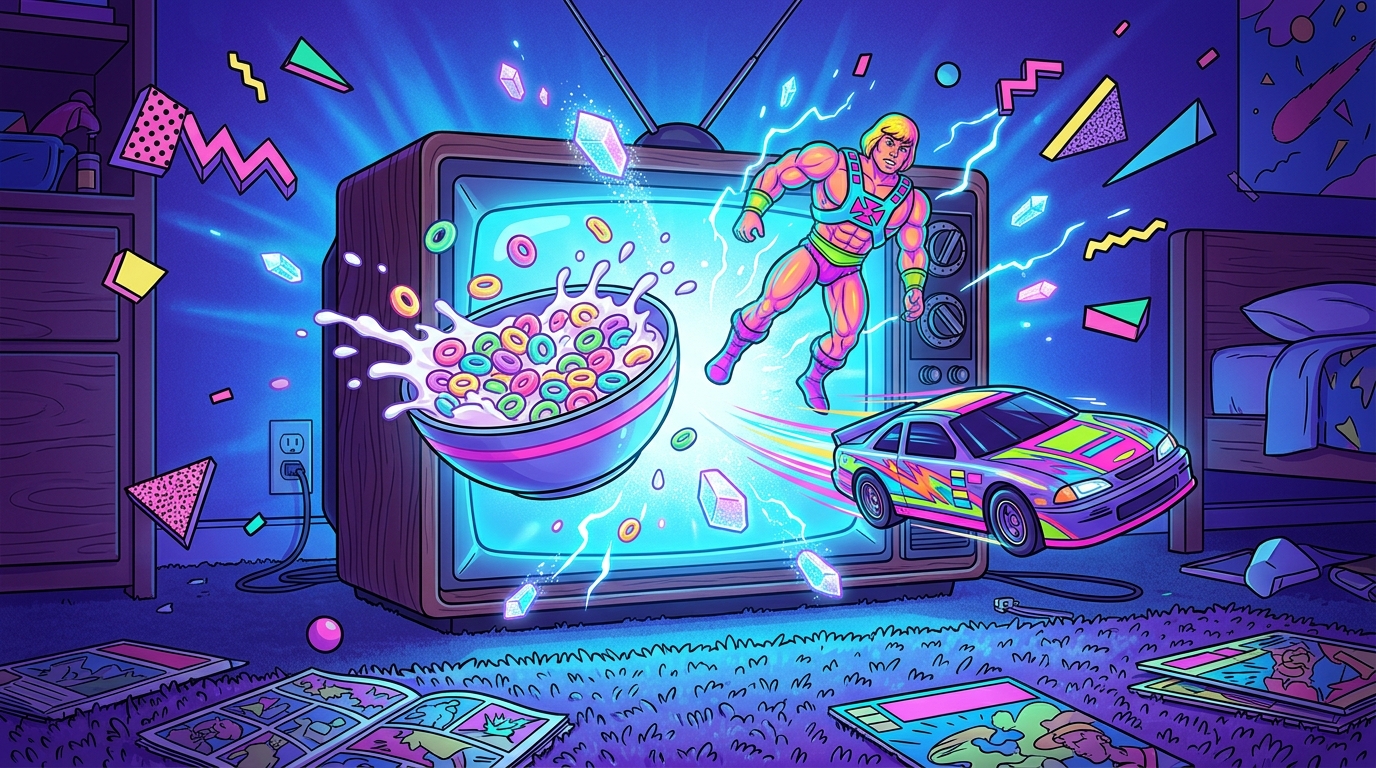
Picture this: it’s 1988, you’re sitting cross-legged on the shag carpet with a bowl of sugary cereal, and your biggest problem is choosing between a transforming robot or a neon-colored slime kit. Those legendary Saturday morning commercial breaks were basically high-octane fever dreams filled with synthwave beats and enough radical catchphrases to power a small city. You weren’t just watching ads; you were witnessing a pixelated battle for your soul, or at least your allowance.
Fast forward to 2026, and the vibe has shifted from wild-west toy chaos to a sleek, highly regulated digital world. While the giant bowls of cereal remain, the FCC has stepped in like a strict parent to make sure those retro-style host-selling tricks don’t follow you onto your streaming apps. Modern rules are all about balancing that sweet 80s nostalgia with standards that keep the marketing mayhem in check.
You remember the absolute rush of adrenaline that hit when the screen cut to a neon-soaked commercial for a cereal that was basically 90 percent sugar. These ads were high-octane masterpieces designed to turn your brain into a hive of pure hype before the milk even hit the bowl. With flashing lights and rock music soundtracks, they promised a breakfast experience that felt more like an extreme sport than a meal. You sat there mesmerized as cartoon mascots performed impossible stunts just to protect a bowl of fruity loops or chocolate puffs. It was a masterpiece of marketing that made every bite feel like a victory in a secret war for flavor.
The real legendary status of these breaks came from the promise of the free prize buried deep inside the box. You would watch a kid on screen pull out a glowing plastic ring or a tiny friction-powered car, and suddenly your life felt incomplete without it. It did not matter if the toy was just a cheap piece of molded plastic that would break in twenty minutes. In that moment, you were ready to beg your parents for that specific brand just to claim your miniature treasure. This was the ultimate Saturday morning ritual, turning a simple grocery store trip into a high-stakes quest for plastic gold.
These commercial blocks acted as the ultimate hype machine, bridging the gap between your favorite cartoons and the toy aisle. Marketing teams knew exactly how to speak your language, using vibrant colors and synth-heavy beats that matched the aesthetic of your favorite sci-fi shows. Every commercial felt like an invitation to join an exclusive club where the only requirement was a bowl of cereal and a sense of adventure. Even though the modern digital world has changed how ads work, nothing quite captures the magic of that specific 80s energy. You can still feel the ghost of that excitement every time you see a neon logo or hear a crunch.
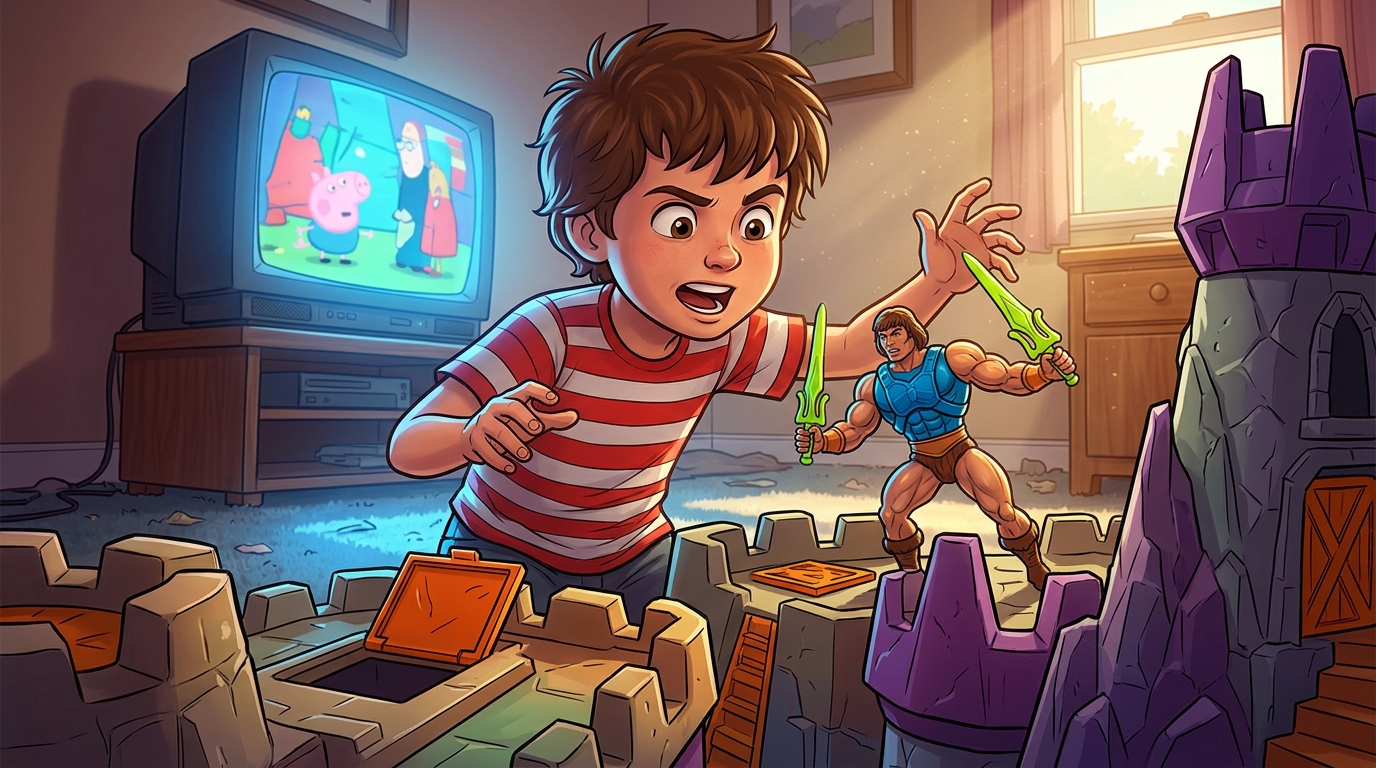
You remember the exact moment the cartoon cut to black and that legendary, gravelly voiceover kicked in to melt your brain. Suddenly, your living room transformed into a high stakes battleground filled with practical pyrotechnics and dramatic camera angles that made a plastic playset look like a cinematic masterpiece. These commercials weren’t just ads, they were high energy invitations to a world where every toy came with its own heavy metal soundtrack and enough neon explosions to power a small city. You sat inches from the screen, mesmerized by the sight of tiny soldiers trekking through actual dirt and gravel while a narrator shouted about hidden spring loaded missiles. It was pure marketing magic designed to make you believe that owning that specific piece of plastic was the only way to achieve true playground legendary status.
The sheer hype of these promos was enough to make you sprint to your parents and beg for an early birthday present before the commercial even finished. You watched in awe as hands reached into the frame to demonstrate radical karate chop actions and vehicles that could supposedly survive a trip through the backyard mud. Every clip was packed with rapid fire editing and dramatic close ups that highlighted every neon detail and jagged edge of the latest action figure line. Even though you knew your own living room lacked the fog machines and professional lighting seen on TV, the fantasy was totally contagious. These three minute breaks were the ultimate hype machine, fueling your imagination and setting the stage for an entire afternoon of epic floor rug battles.
Looking back, it is hilarious how much effort went into making a chunk of molded plastic look like the most intense thing on the planet. The marketing teams clearly understood the assignment, using every trick in the book to create a sense of urgency that resonated with every kid in the zip code. From the iconic bumpers that separated the shows to the final shot of the entire toy collection displayed on a glowing grid, the aesthetic was peak synthwave cool. You weren’t just being sold a product, you were being sold a lifestyle of radical adventures and over the top heroism. Even today, hearing that specific deep voice or seeing a grainy clip of a mountain fortress playset triggers a massive wave of nostalgia for those sugar fueled Saturday mornings.
The screen suddenly shifted from a high stakes battle to a neon-soaked animation of a spinning logo or a goofy character shouting that your show would be right back. These bumpers were more than just transitions, they were the official gatekeepers of the greatest marketing blitz on the planet. You had exactly ninety seconds to sprint to the kitchen for more sugary cereal before the toy commercials took over your brain. These vibrant segments were designed to help your young mind distinguish between the hero on screen and the plastic action figure they wanted you to buy. It was a masterpiece of hype culture that kept you glued to the floor, even when the actual show was on a break.
Suddenly, your living room transformed into a flashing gallery of neon colors and aggressive synth music. Advertisements for power-glove accessories and transforming robots were delivered with so much intensity that you felt like you were missing out on the future if you didn’t own them. This was the golden era of the host-selling ban, where regulations forced a clear line between the cartoon and the commercial to keep things fair. Even with those rules, the energy was infectious and made every toy feel like a legendary artifact you needed for your collection. You weren’t just watching ads, you were witnessing a carefully crafted aesthetic that defined an entire generation of weekend warriors.
Today, that specific magic has migrated to streaming platforms, but the original Saturday morning cartoons vibe remains unmatched in its glorious chaos. The FCC still keeps a close watch on how many minutes of ads can air per hour, ensuring that kids aren’t overwhelmed by constant sales pitches. While the bumpers of the past have evolved into digital overlays and skippable clips, the modern rules for television have adapted to the streaming era. You can still hear the echo of those catchy jingles and see the bright, pixelated graphics in your mind whenever you think of a bowl of milk and a glowing television. It was a unique moment in time where the commercial break was just as much of an event as the cartoon itself.
Looking back, those neon-soaked commercial breaks were way more than just a chance to grab another bowl of sugary cereal. You weren’t just watching a sales pitch, you were experiencing a high-energy masterclass in hype that defined an entire era of childhood. These thirty-second bursts of pure marketing genius used radical synth soundtracks and rapid-fire editing to turn plastic action figures into must-have treasures. Every strobe light effect and booming voiceover worked together to create a legendary aesthetic that still lives on in every synthwave track and retro meme you see today. It was a glorious time when the line between your favorite hero and their latest vehicle was beautifully blurred by a catchy jingle.
Even though the rules have changed and those classic bumpers have faded from the airwaves, the impact on your brain is permanent. You can probably still hear the specific crunch of a toy commercial or the upbeat whistle of a breakfast mascot just by closing your eyes. These ads shaped the way a generation viewed cool, blending high-tech fantasies with the simple joy of a Saturday morning with no chores. While digital streaming might be more convenient nowadays, it lacks that specific brand of chaotic energy that made you beg your parents for the latest gadget during every break. Those toy commercials were the heartbeat of the eighties, leaving us with a lifelong love for all things bright, loud, and totally radical.
Those ads were basically high-octane fever dreams designed to turn your brain into a hive of pure hype. Between the synthwave beats and neon visuals, they turned eating breakfast into an extreme sport.
The legendary plastic prizes were the ultimate status symbol for any kid on a shag carpet. While they were often just cheap molded plastic, they made every bowl of sugar feel like a victory in a secret war for flavor.
The vibe has shifted from the wild west of toy chaos to a highly regulated digital world. You will find that today’s ads are much more controlled to keep the marketing mayhem in check.
The FCC stepped in like a strict parent to stop those old school host-selling tricks from following you onto streaming apps. Modern rules ensure that the pixelated battle for your allowance stays within fair boundaries.
It is all about that sweet nostalgia for a time when your biggest problem was choosing between a transforming robot or neon slime. Those commercials burned those sugary images into your brain using rock music and flashing lights.
You can definitely recreate the vibe with a giant bowl of cereal and some synthwave tracks. Just remember that the 2026 world balances that 80s magic with modern regulations to protect your soul and your wallet.