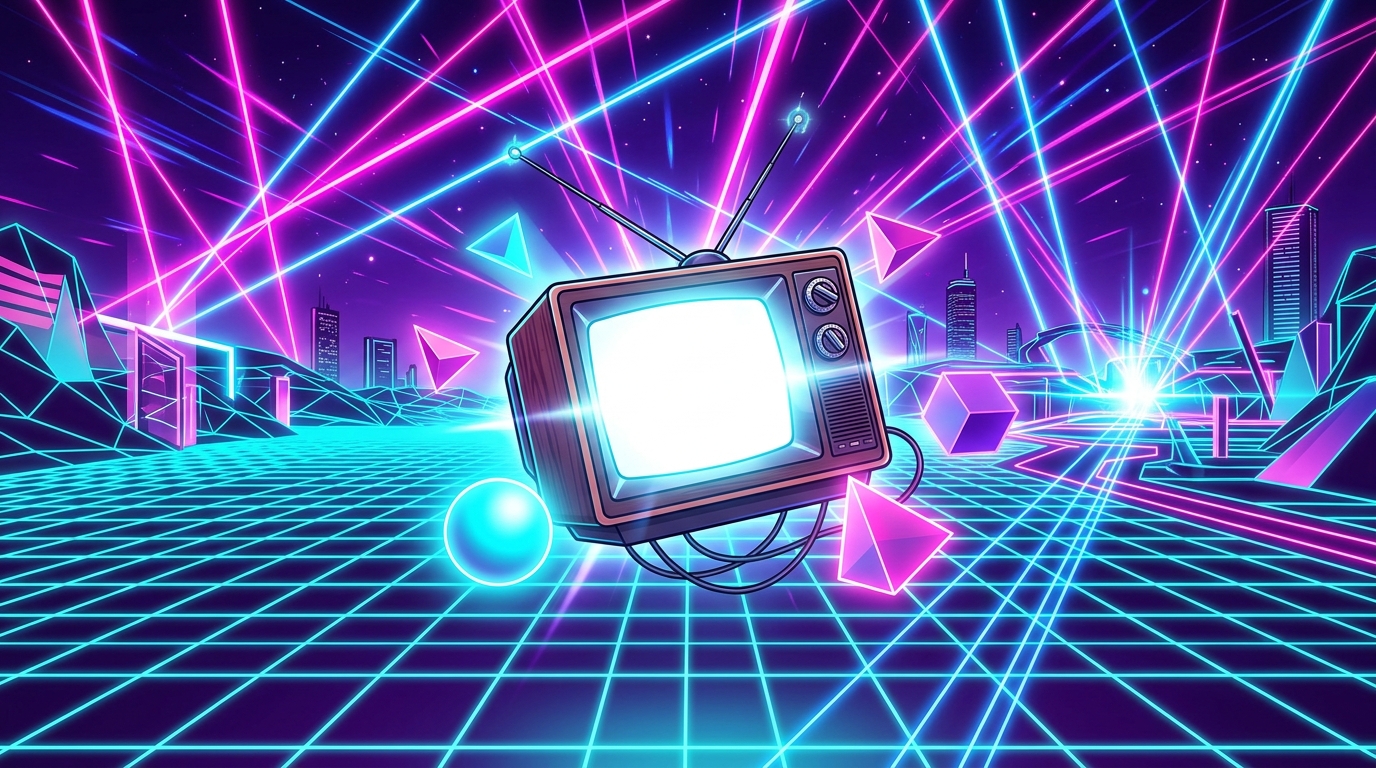
Picture yourself sitting cross-legged on a shag carpet, staring at a heavy box TV that’s humming with static. Suddenly, the screen explodes into a world of chrome logos, laser beams, and neon grids that look like they were ripped straight out of a synthwave dream. These 80s cable tv idents weren’t just commercials; they were high-energy fever dreams designed to glue your eyeballs to the screen.
Back then, channels were fighting for your attention with the most aggressive CGI and synthesizer riffs known to man. Whether it was a moon landing with a rock-and-roll twist or a geometric shape flying through a digital sunset, these clips defined an entire aesthetic. You’re here because you miss that glorious, low-resolution chaos and the feeling of a world where everything was pink, teal, and powered by pure imagination.
Think back to the first time you saw that big blocky M flicker onto your wood-paneled TV screen. Unlike every other boring network that stayed in its lane, the music television pioneers decided that their logo shouldn’t have a permanent outfit. They pioneered the shape shifter vibe, letting the M transform into everything from a slab of Swiss cheese to a neon-drenched cityscape. It was the ultimate rebel move in an era of stiff corporate branding, and it felt like watching a fever dream in real time. You never knew if the next ident would feature hand-drawn squiggles or a weird claymation monster, keeping your eyes glued to the screen between music videos.
This constant visual evolution was a total playground for early digital artists and animators who wanted to break all the rules. They experimented with wild textures like brushed chrome, electric zig-zags, and those iconic geometric grids that still haunt your favorite synthwave playlists today. It wasn’t just about showing a name, it was about creating a mood that matched the high-energy chaos of the decade. By treating their logo like a blank canvas for weird experiments, they basically invented the aesthetic that every retro-inspired loop on the internet is trying to copy now. You were witnessing the birth of a motion graphics revolution that made channel surfing feel like a trip through a digital arcade.
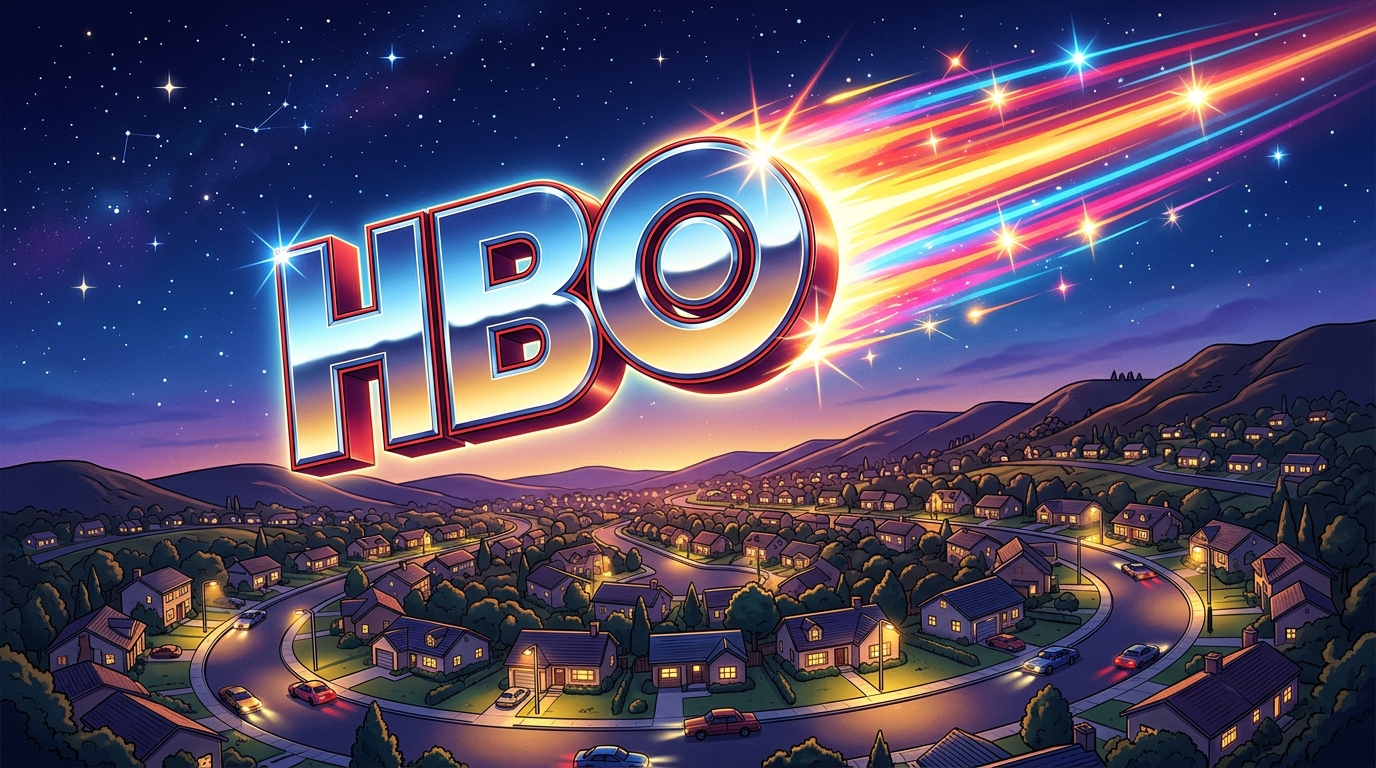
Close your eyes and imagine the year is 1982, you just popped a bag of buttery popcorn, and the family is huddling around a heavy wooden television set. Suddenly, the screen explodes into a cinematic odyssey that feels more like a summer blockbuster than a simple channel intro. You are whisked away on a flight over a miniature suburban neighborhood, soaring toward a giant, chrome logo that catches every bit of neon light. This legendary sequence used actual physical models and high tech camera rigs to create a sense of scale that felt absolutely massive. For a kid in the eighties, this wasn’t just a logo, it was a signal that the real movie magic was about to begin in your very own living room.
The craftsmanship behind this space journey is a dream come true for any fan of the classic synthwave aesthetic. Instead of cheap digital tricks, the creators used a massive brass logo and fiber optic cables to create those glowing, laser light effects that still look cool today. It has that perfect retro vibe where everything feels tactile, shiny, and just a little bit futuristic in a way that modern CGI can never quite replicate. Watching the camera dip and dive through the clouds while that triumphant orchestral score kicks in is the ultimate nostalgia trip. It is the kind of visual loop that belongs on a lo-fi beats stream or a neon-soaked music video because it captures the pure hype of the era.
You can almost feel the static on the screen as the sequence reaches its big climax with those iconic rainbow streaks. It transformed the simple act of watching a movie into a premium event, making you feel like you had a front-row seat at the local cinema without ever leaving your couch. This intro is basically the grandfather of all motion graphics, setting a goal for every other network to try and match its epic energy. Even now, seeing that silver logo spin against the backdrop of deep space hits you right in the feels. It is a reminder of a time when television branding was bold, bright, and unapologetically extra.
You can almost feel the static on your fingertips when you think about those glossy, metallic logos flying across the screen. Back in the day, networks were obsessed with making their branding look like it was beamed in from a high tech future. Designers went wild with experimental CGI to create a sense of depth that felt absolutely mind blowing on your old boxy television. It was all about that premium, high budget look that made you feel like you were watching something truly special.
If you have ever spent a late night falling down a synthwave rabbit hole, you know exactly why these visuals are still legendary. The classic neon grids and laser beams stretching into a digital horizon became the ultimate aesthetic for a generation. These animations were not just station IDs, they were mini masterpieces of retro-futurism that paired perfectly with a buzzing synthesizer soundtrack. Every time a silver logo tumbled through a starfield, it felt like you were entering a digital playground. This era of motion graphics defined the cool, electronic vibe that artists and loop makers are still trying to recreate today.
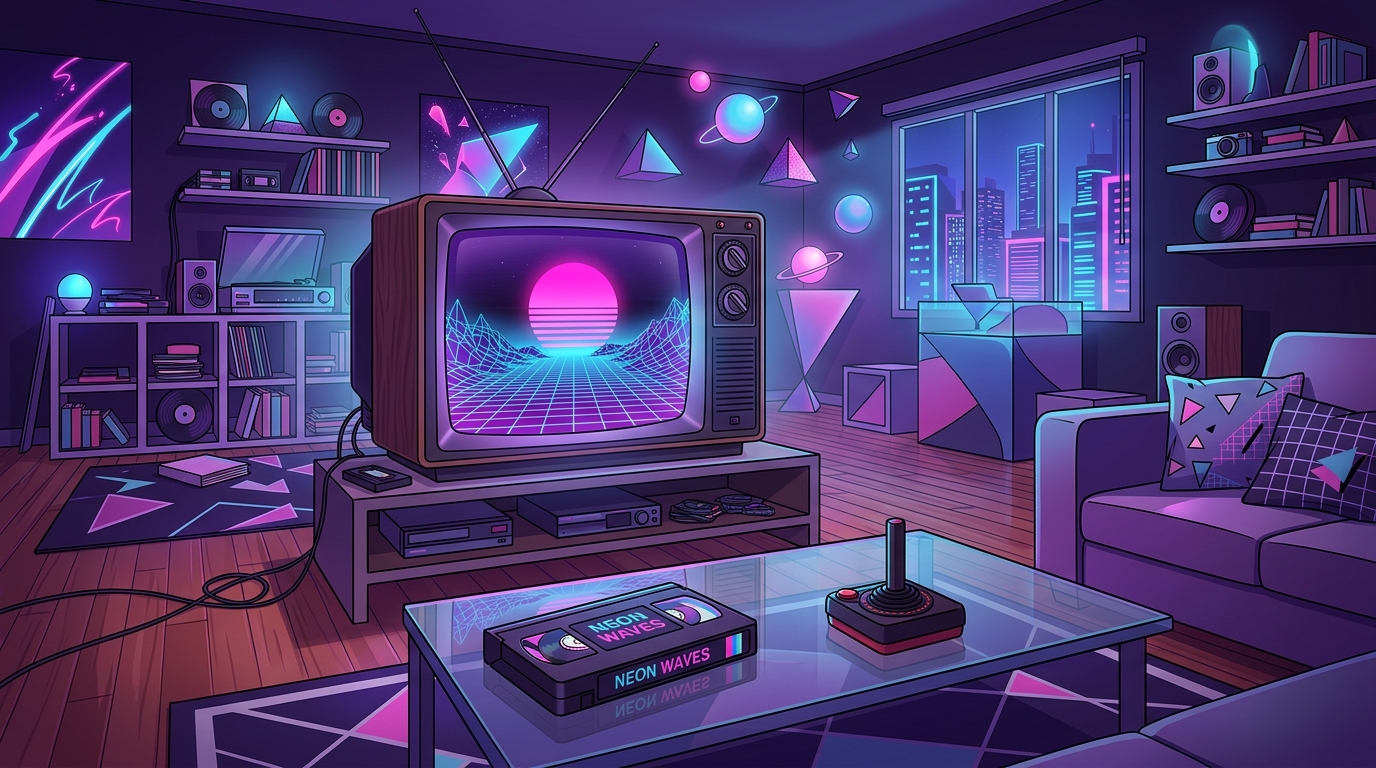
You probably know the feeling of falling down a late night rabbit hole of grainy VHS clips and neon station IDs. These vintage cable idents are more than just old commercials, as they have become the ultimate visual soul food for the modern synthwave scene. Whether it is a spinning chrome logo or a laser-blasted geometric grid, these loops provide the perfect backdrop for your favorite lo-fi beats. There is something incredibly soothing about that fuzzy tracking distortion and the way a bright pink logo glows against a dark background. You do not need a time machine to appreciate how these digital relics capture a vibe that modern high-definition video just cannot replicate.
Internet culture has completely reclaimed these short bursts of 80s branding to create an aesthetic that feels both nostalgic and futuristic. When you see a classic animated station break from an early movie channel, you are seeing the birth of digital cool. These clips used the very first computer-generated imagery to create worlds filled with flying metallic shapes and electric blue streaks of light. Today, gamers and music producers use these loops to set a mood that is equal parts chill and high-energy. It is the perfect aesthetic for anyone who wants to escape into a world of endless sunsets and retro-gaming dreams.
The magic of these idents lies in their bold use of color and those crunchy synthesizer soundtracks that hit just right. Back in the day, networks were competing to look as high-tech as possible, resulting in some of the most creative motion graphics ever made. You can clearly see the influence of these fast-paced edits and neon palettes in everything from modern indie games to viral music videos. They serve as a digital comfort blanket for the internet age, reminding us of a time when the future looked like a glowing grid of possibilities. Grabbing a slice of that 80s magic is as easy as crafting riveting synthwave visuals and letting the visual loops take over.
The neon glow might have faded from your old CRT television, but these legendary cable idents still hit different in the era of high definition. There is just something about those chrome logos flying through a geometric grid that feels more alive than a flat app icon on your smartphone. You are looking at a time when designers had to get weird with lasers and synthesizers to grab your attention before the movie started. These short bursts of pure 1980s energy are the foundation of every synthwave music video and lo-fi loop you love today.
Looking back at these retro clips is like taking a digital vacation to a glow of 1980s cable television where everything was electric blue and hot pink. Even though we have 4K resolution now, those fuzzy VHS artifacts and analog glitches carry a soul that modern graphics simply cannot replicate. You can clearly see why major networks became cultural icons just by using a few seconds of frantic editing and heavy basslines. It was a golden age of creativity where the goal was to make you feel like you were living in the future.
Next time you are scrolling through endless menus of content, remember the simple joy of a spinning silver logo and a catchy jingle. These idents were not just commercials, they were the heartbeat of an entire generation of late-night channel surfing. They proved that you do not need a massive budget to create a vibe that lasts for decades, even when a cyberpunk prankster occasionally interrupted the broadcast. Keep that retro spirit alive by appreciating the grainy, glowing masterpieces that defined the coolest decade in television history.
Think of an ident as a channel’s hype man. It is that short, flashy clip between shows that uses neon logos and synth music to remind you exactly which cool network you are watching.
Pioneering channels wanted to be the ultimate rebels of the airwaves. By letting their logo shape shift into everything from Swiss cheese to digital cityscapes, they proved they were too cool for boring corporate rules.
The 80s was all about high-energy chaos and experimental CGI. You get a heavy dose of chrome textures, laser beams, and glowing grids that feel like a neon fever dream compared to today’s flat designs.
You were dealing with analog signals and heavy box TVs that practically hummed with electricity. That low-resolution fuzz is just part of the retro charm that made those vibrant colors pop even harder.
Absolutely, these idents were a massive playground for early digital animators and claymation wizards. They used the latest tech to create wild textures like brushed chrome and electric zig-zags just to melt your brain.
Synthwave basically lives in the shadow of these 80s visuals. The pink and teal color palettes and those iconic geometric sunsets you see in modern memes were born right here in these cable TV clips.