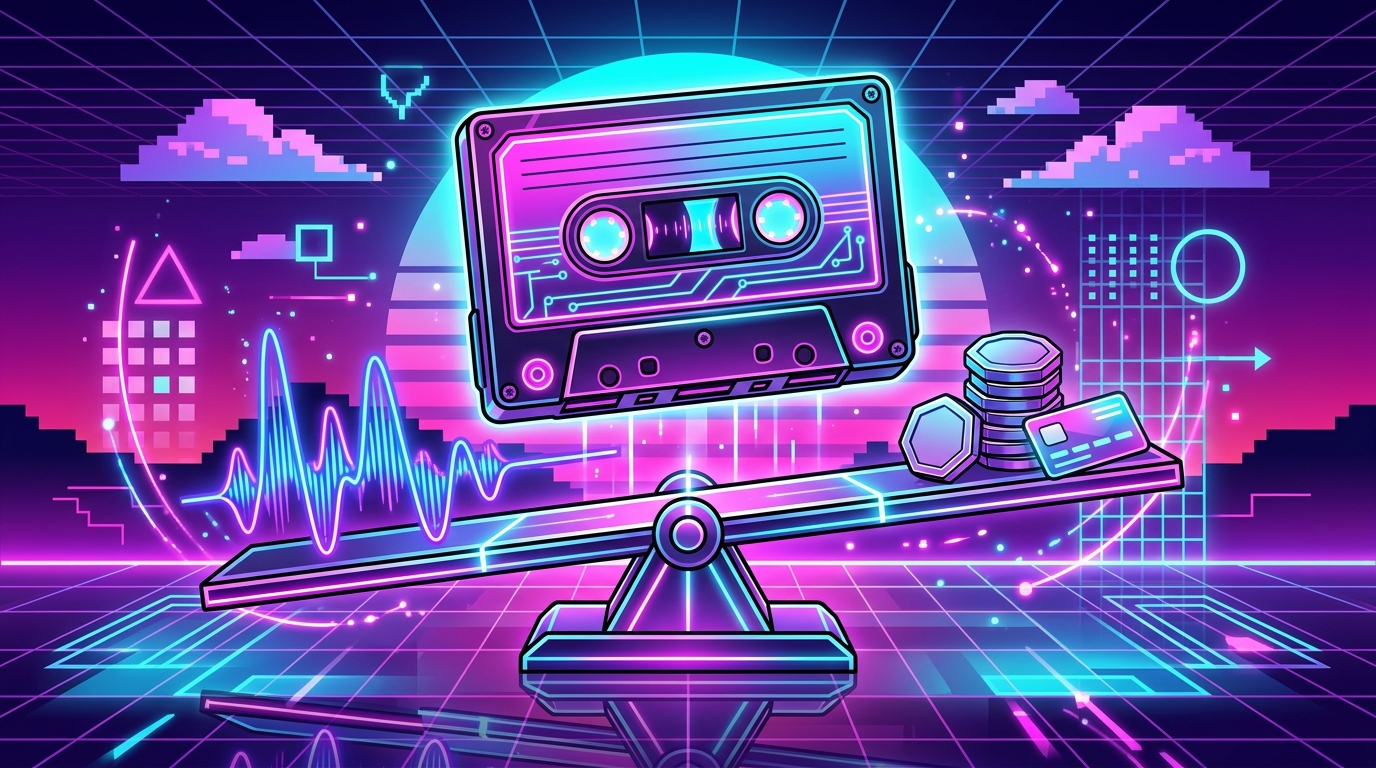
That neon boss-battle soundtrack may cost less, or far more, than you expect. Synthwave licensing cost can range from about $10 to $60 per track on stock sites, or from $39 to $1,249 or more for broader rights. Creator subscriptions often cost around $120 to $400 per year. The final price depends on where your music appears, how many people hear it, how long you use it, and whether you need the song, the recording, or both.
A personal YouTube video might be a wallet-friendly power-up, while a national ad, theatrical release, or exclusive track can summon the financial final boss. You also need to check the territory, license term, and whether your use is commercial. “I found it on the internet” is not a magical legal shield. Know the details before you publish, and you can keep the vibes neon without turning your budget into an 80s sci-fi explosion.
Synthwave licensing cost can start at $0 for a genuinely free track, but most stock options land around $10 to $60 per track. That range may work for a hobby video, personal project, or neon-soaked montage that will not earn money. Creator subscriptions typically cost about $120 to $400 per year, giving you a larger music library for regular YouTube uploads and social content. Think of it as choosing between one arcade token and the whole cabinet.
Broader single-track licenses usually run from about $39 to $1,249 or more, depending on how widely you plan to use the music. A monetized channel may need more coverage than a private upload, while a national ad can cost much more because the audience is practically the entire internet’s final boss. The price also changes with the territory, license length, audience size, exclusivity, and whether the deal covers both the song and the original recording. Read the usage terms carefully so your retro laser-grid intro does not trigger a surprise rights issue later.
Broadcast campaigns, theatrical releases, major brand ads, and exclusive rights usually move beyond posted prices and into a custom quote. The same track can be affordable for a short creator video but much more expensive when it runs nationwide, stays live for years, or becomes unavailable to anyone else. Before you request pricing, list your platform, territory, campaign length, audience, and whether you need composition and master rights together. A clear brief helps you get a useful quote instead of playing licensing roulette under a flickering neon moon.
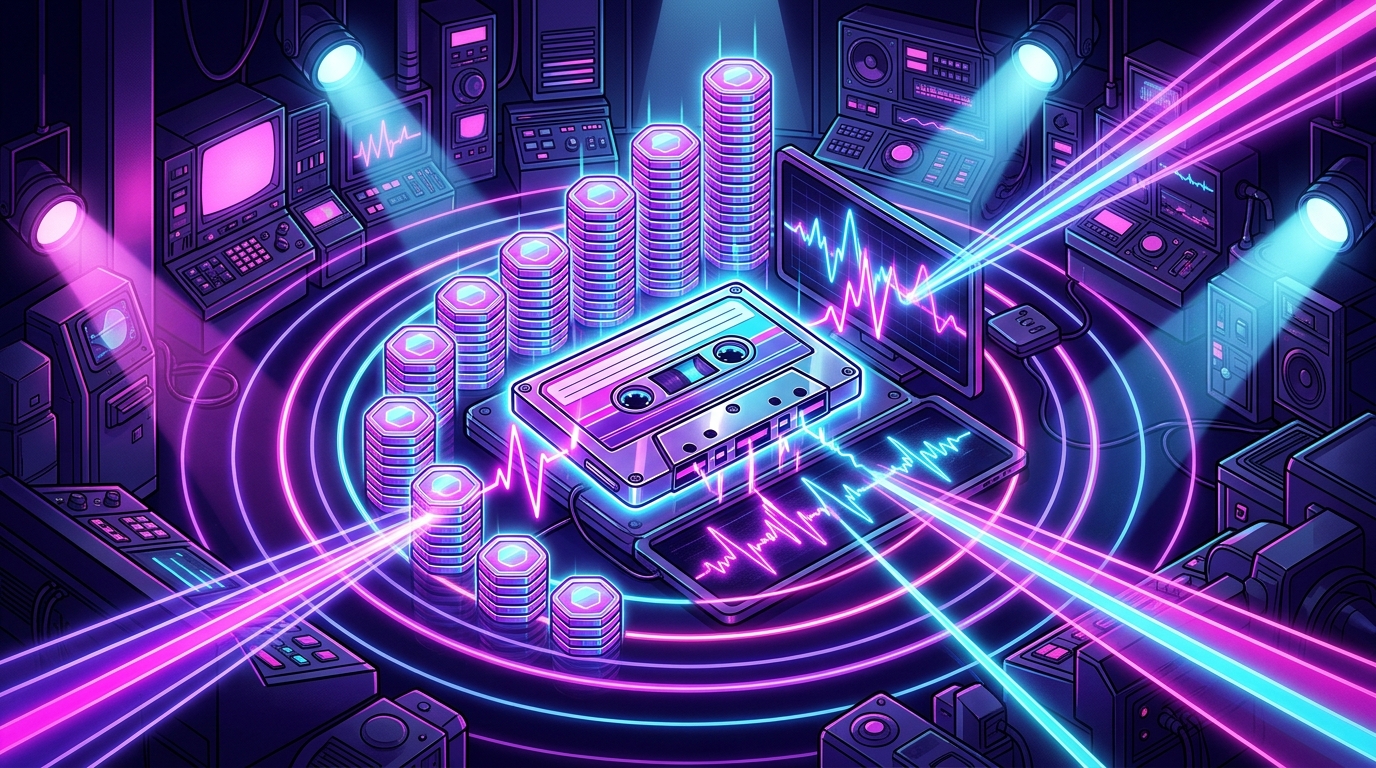
Your synthwave licensing cost usually rises with the size of your audience and the territory where people will hear the track. A personal neon-grid montage may cost around $0 to $49, while a campaign aimed at viewers across several countries needs a broader license and a larger budget. More viewers mean more value, especially when the music helps a brand sell sneakers, software, or suspiciously shiny sports cars. A local one-week project and a global campaign running for a year are very different beasts, even if both feature the same outrun sunset.
The media type also changes the quote because social posts, websites, streaming videos, broadcast spots, theatrical releases, and paid ads do not have the same reach. Paid advertising generally costs more than an organic post because the track is being pushed directly in front of a much larger audience. Campaign length matters too, so a 30-day license will usually cost less than permission to keep the music running for 12 months. If you need exclusivity, expect another price jump because the track may be kept away from other creators or brands during your agreed term.
Before you request a quote, be clear about whether you need the composition, the master recording, or both, along with your platforms, audience, countries, and campaign dates. A standard single-track license may land anywhere from roughly $39 to $1,249 or more, while broadcast, national advertising, theatrical use, custom music, and exclusive rights are usually priced by quote. In other words, your personal retro montage is not the same mission as powering a global brand campaign with enough budget to buy a DeLorean. Share the full scope upfront, and you are far more likely to get a clear license that keeps your project out of copyright boss-battle territory.
Synthwave licensing cost can cover two separate rights: the composition, meaning the underlying melody and lyrics, and the master, meaning the specific recorded track you want to use. Clearing only one is like inserting the game cartridge without plugging in the console. Impressive, but not playable. A stock license may bundle both rights, while an artist deal might cover the recording but require a separate agreement for the song itself. Before you budget, check the license for sync use, media types, territory, term, audience size, and whether the permission is exclusive.
For smaller creator projects, bundled stock licenses often run about $10 to $60 per track, while broader single-track licenses can range from roughly $39 to $1,249 or more. Creator subscriptions may cost around $120 to $400 per year, depending on the plan and permitted uses. A social post for a small audience usually costs far less than a national ad, theatrical release, broadcast campaign, or exclusive campaign track. If you need a custom synthwave composition, a buyout, or a large commercial audience, expect a negotiated quote instead of a tidy checkout price.
Ask for written confirmation that both composition and master rights are included before the neon credits roll. Your agreement should also state where the music can appear, how long you can use it, whether paid ads are allowed, and whether the license can be transferred or reused in future edits. If the stock license, artist deal, or custom agreement leaves either right unclear, pause before publishing and request clarification. That small check can keep your synthwave licensing cost predictable and prevent a copyright surprise worthy of an 80s arcade game-over screen.

Synthwave licensing cost is not one fixed number because your neon soundtrack needs a passport for every place it travels. For personal videos or hobby projects, you may spend $0 to $49 per track, while creator subscriptions often run about $120 to $400 per year. Monetized videos, podcasts, and freelance projects commonly fall into the $10 to $60 stock-track range, or roughly $39 to $1,249 or more for broader single-track rights. Check whether the price covers both the composition and the master recording, or you could unlock the music only to discover a boss fight at checkout.
Commercial advertising, broadcast, and large-audience campaigns usually need a negotiated quote because territory, audience size, placement, term, and frequency all affect the price. National ads, theatrical releases, and exclusive rights can cost far more than a social post with 83 views and one enthusiastic comment. Custom compositions also require a quote, especially if you want a theme built around your brand, game, podcast, or fictional 1980s crime-solving team. Before you buy, confirm where the track can appear, how long the permission lasts, whether paid promotion is included, and whether exclusivity is part of the deal.
Build your budget by comparing the total annual cost of a subscription, the upfront price of a single-track license, and the flexibility of a negotiated package. A subscription can suit frequent creators, while a single-track license may be cheaper for one podcast episode, client video, or freelance project. For advertising or broadcast, ask for a quote that clearly lists territory, audience, term, media, edits, and renewal fees, then compare it with any exclusive-rights option. That simple checklist helps you avoid surprise invoices and keeps your synthwave licensing cost from reaching full arcade-game final-level difficulty.
Synthwave licensing cost has no universal price tag because your neon anthem is priced by how, where, and how long you plan to use it. A personal social video may cost around $0 to $49 per track, while broader licenses can range from about $39 to $1,249 or more. Creator subscriptions often land near $120 to $400 per year, but ads, broadcast, theatrical releases, exclusivity, and custom music usually need a tailored quote. Before you press play, confirm whether your license covers both the song composition and the master recording, or you may unlock a surprise boss battle later.
Your audience, platforms, territory, campaign length, and required rights should shape the budget from the start. Ask for a written quote that spells out usage limits, renewal terms, editing rights, attribution rules, and any extra fees, so the legal details do not vanish into a fog machine. Once the numbers are clear, you can choose music that fits both your project and your wallet without turning your budget into an 80s arcade high score. For more ways to build a fitting retro setup around your creative work, explore Upgrade Your Workspace With Retro Futuristic Office Supplies and keep your production zone looking gloriously neon.