Your artist demo submission is not a magic cassette you toss into the industry void while hoping a neon-haired A&R wizard finds it. Major labels usually do not accept unsolicited music, so sending your track through the wrong door may earn you nothing but digital tumbleweeds. A smarter move is to target independent labels, curators, managers, and platforms that clearly welcome submissions.
Before you hit send, make your music easy to hear and hard to misunderstand. Choose your strongest track, follow the submission rules, write a short message, and include clean links instead of a mystery ZIP file from 1987. A focused pitch can help your demo get noticed without requiring a boss battle, cheat code, or miracle from the synthwave gods.
Major labels generally do not accept unsolicited demos. Their official policies often require a referral from an established manager, attorney, producer, artist, journalist, DJ, or another industry professional. In other words, sending a track through a random inbox is unlikely to unlock the neon castle gate. Check the label’s official website for its demo policy before preparing your files. Do not assume an old forum post or social media comment is still accurate. If submissions are closed, focus on building genuine industry connections instead of spamming every email address in the kingdom.
Independent and genre-specific labels are often a more realistic option for cold submissions, but each one sets its own rules. Look for labels with an active roster, recent releases, clear contact details, and a real presence on trusted music platforms. Then confirm whether they accept demos, which genres they want, and whether they prefer private streaming links, a short bio, or release details. Follow the requested format exactly, keep your message brief, and review the stated response time and rights terms before pressing send. A clean submission shows that you can read instructions, a rare superpower somewhere between patience and having the right cheat code.
Be cautious of “send your music here” portals that promise instant discovery, guaranteed deals, or mysterious access to famous decision-makers. A legitimate submission page should explain who reviews the music, what happens after submission, whether your files remain yours, and how your information is handled. Avoid services that demand unusual fees, ask for broad rights before listening, hide their team, or make flashy claims with the energy of a low-budget internet trap from 1987. Save a copy of your submission, track the date, and move to the next suitable label if no response arrives within the stated window.
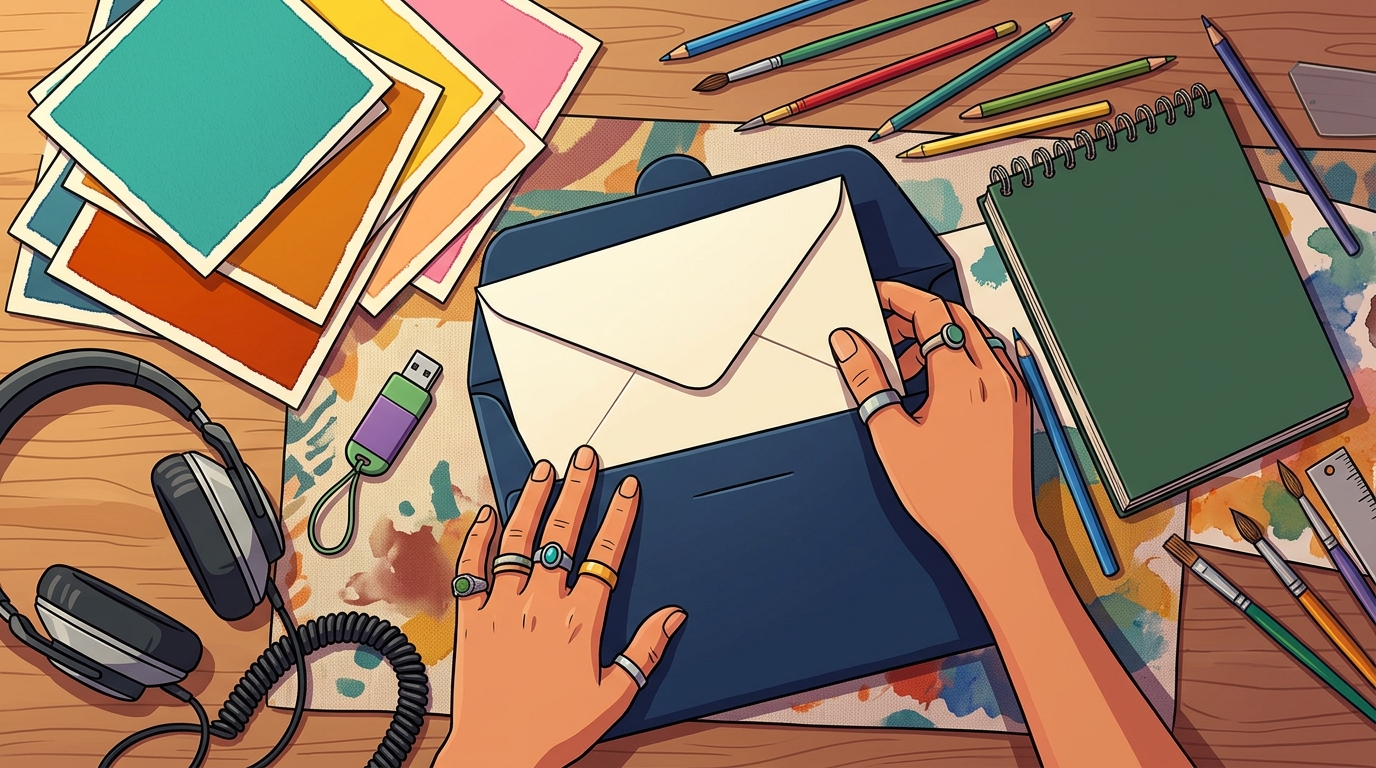
Before starting an artist demo submission, choose your strongest one to three tracks, not every beat you made after discovering a new synth preset. Use polished recordings that show your sound clearly and feel ready for real listeners. A half-finished bedroom file wearing sunglasses is not a single, no matter how confident it looks. Upload each track as a private streaming link that opens easily, plays smoothly, and does not require a password maze worthy of an 80s arcade boss. Check every link on your phone and computer before sending, because a broken URL is a very unglamorous plot twist.
Make your artist demo package easy to scan, with your artist name, genre, short bio, contact details, and full credits in one clean document or email. Add lyrics when they help explain the song, especially for vocal releases. Include links to your social profiles, website, or live performances so reviewers can see the person behind the neon logo. Keep the bio short and useful, with a few real highlights instead of a dramatic origin story involving destiny, moonlight, and a haunted drum machine. Clear information helps a reviewer move from “Who is this?” to “Let me hear more” without opening twelve browser tabs.
Submit only through the recipient’s stated process. Many major-label teams do not accept unsolicited demos and may require an introduction from an industry professional. Independent and genre-focused labels, publishers, managers, blogs, and playlist curators often set their own rules, so check whether they want streaming links, attachments, a specific genre, or a particular subject line. Your recording should meet the quality expected for release, while your presentation should stay brief, respectful, and free of all-caps panic. If the submission page explains response times, follow that timeline and send one polite follow-up only when appropriate. Then keep creating while your demo travels through the digital void.
An artist demo submission should begin with research, not a copy-and-paste blast launched into the internet like a rogue arcade missile. Check the label’s official website or verified platform profile for its current submission policy. Major labels often do not accept unsolicited demos and may require an introduction from a trusted industry professional. If submissions are open, personalize your message with the label’s name, your artist name, genre, location, and a clear reason your music fits its roster. Keep the note short, friendly, and professional, with no life story longer than a VHS rental receipt.
Follow every file and link instruction exactly, even if the rules seem pickier than a final boss. Use the requested format, send only the number of tracks requested, and make sure private streaming links work without a password maze or broken neon portal. Name attachments clearly with your artist name, song title, and version, such as NovaCircuit_Starlight_Remix.mp3, rather than finalfinalREAL2.wav. Before pressing send, check that your lyrics, credits, contact details, and social links are accurate. Then submit through the official website or verified profile only.
A&R teams may listen for a strong hook, but the chorus is not the entire game cartridge. They can also assess the overall project, visual identity, release history, audience activity, live momentum, and potential for steady growth. Present a clear picture of where your music is headed. A polished artist demo submission should make it easy to understand your sound, story, goals, and next release without forcing anyone to decode a cryptic side quest. Response times vary, and no reply is common, so follow up once if the stated policy allows it. Then keep creating, releasing, and building your audience while the signal travels through the neon grid.
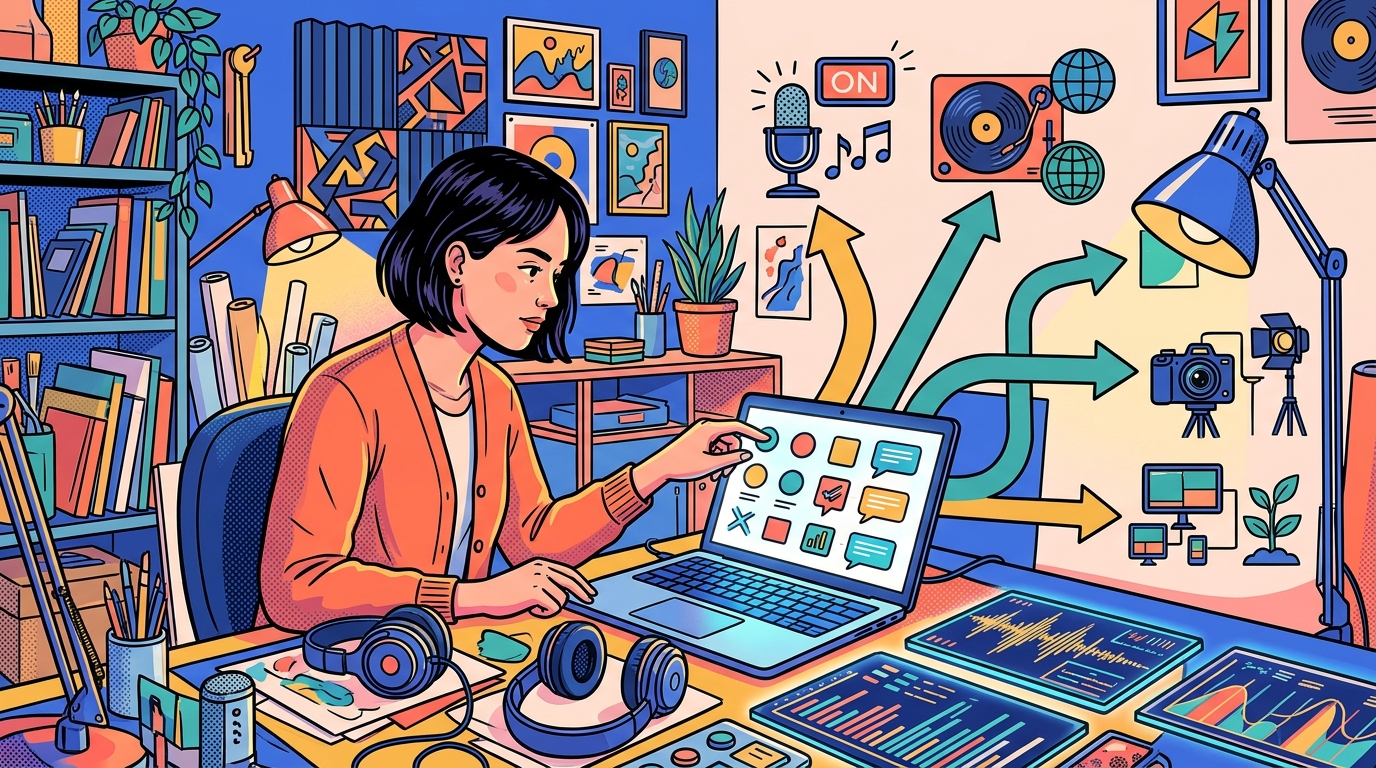
Response times for an artist demo submission can range from a few days to several weeks, and many labels reply only when they want to hear more. Major labels often do not accept unsolicited music, while independent labels may review submissions through a form, email, or trusted referral. Check the label’s instructions before sending, then follow up once after the stated time frame, or after about two to four weeks if no timeline is listed. Keep the message short, polite, and easy to answer, because sending five follow-ups turns your inbox into a boss battle nobody queued for. If there is still no response, move on without taking it personally and keep your release plan glowing like an 80s arcade cabinet.
A simple tracking sheet can keep your submissions from vanishing into the digital void. Record the label or platform, contact name, date sent, songs shared, submission rules, follow-up date, and response. Save your private links and press details in one tidy folder. Be cautious if anyone charges a fee just to listen, promises a guaranteed contract or playlist placement, demands payment for a “review,” or pressures you to sign away rights before explaining the deal. A legitimate opportunity should clearly explain its process, terms, and costs, with no mysterious pay-to-listen trapdoor beneath the neon floor. Never send money or sensitive account information just because someone uses impressive industry language and a serious-looking email signature.
Your smartest next move is to build genuine relationships instead of treating every submission like a coin-operated machine. Connect with managers, producers, DJs, journalists, playlist curators, and other working music professionals by supporting their work, showing up consistently, and sharing useful updates without spamming them. A thoughtful introduction or trusted referral can matter, especially when a label does not accept unsolicited demos. Keep releasing strong music, performing, improving your presentation, and collecting genuine proof that people are listening. In other words, keep leveling up your artist profile while your demo travels through the industry like a synthwave hero with one more life left.
A strong artist demo submission starts with excellent music, but it does not end when you hit “send” like you just launched a pixelated fireball. Research each label, manager, publisher, blog, or platform to confirm that it accepts unsolicited demos. Then follow its exact rules for links, file types, genres, and contact details. Major labels often require a trusted industry referral, while independent and genre-focused outlets may welcome careful cold submissions. Package your best tracks, a short artist bio, clear credits, and accurate contact information so your submission feels like a polished game save, not a mystery floppy disk found behind the arcade.
Respectful persistence keeps one quiet inbox from becoming the end credits. Send a brief follow-up only when the stated response window has passed, avoid spamming, and use any silence as a cue to keep researching and creating. Every submission teaches you something about your sound, your presentation, and where your music fits on the neon-lit map. If your tracks need an extra cinematic boost before the next send, explore our Custom Retro Soundtrack Services For Games And Films to discover how we can help turn your ideas into a stronger, more memorable signal.