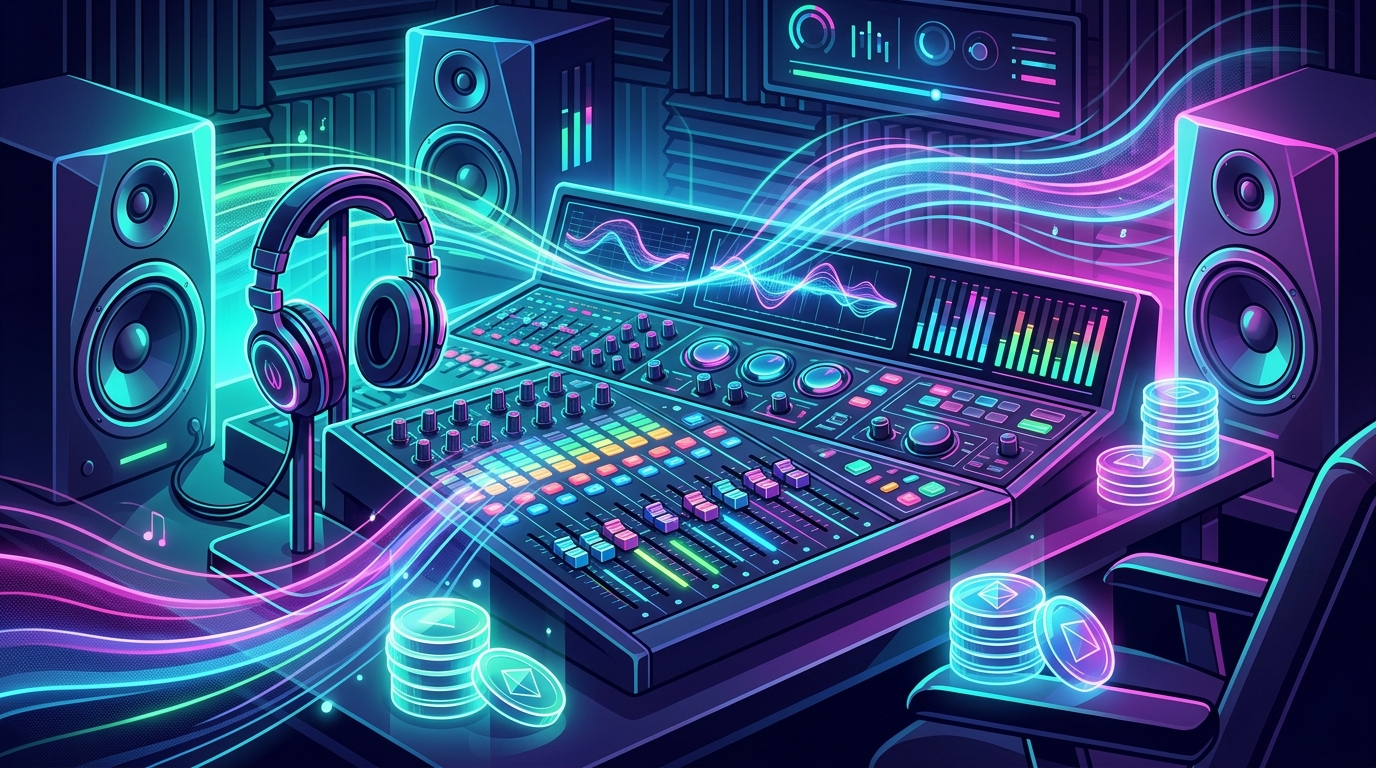
Game audio production costs can range from a few hundred bucks to a budget big enough to make your wallet scream in 8-bit. Your game’s size, music, sound effects, dialogue, platforms, and implementation needs all push the number up or down. As a quick planning rule, setting aside about 5% to 15% of your total development budget can help keep the audio from sounding like a haunted MIDI file.
A tiny prototype might get by with stock sounds and placeholder music, while a story-heavy adventure may need custom audio, voice acting, mixing, and localization. Spend where sound creates the most impact, whether that means a neon synthwave soundtrack, a satisfying power-up zap, or footsteps that do not sound like someone drop-kicking a cardboard box.
Game audio production costs have no single cheat code, because your game’s scope sets the difficulty level. A tiny prototype with a few sound effects and one synth loop may cost a few hundred to a few thousand dollars, while a polished indie title can reach $5,000 to $30,000 or more for custom audio. Add a cinematic score, reactive music, creature sounds, menus, weapons, and a final boss who apparently owns a drum kit, and the budget climbs fast. As a practical planning rule, many teams reserve about 5% to 15% of the total game-development budget for music and audio, with 5% to 10% as a common starting range.
Your sound-quality target matters just as much as the number of sounds you need. Stock effects and a limited music package can keep costs friendly, while custom recording, live musicians, detailed sound design, adaptive music, and professional dialogue push the price higher. Dialogue also brings extra work through casting, direction, editing, cleanup, localization, and pickups when the hero suddenly says the wrong thing for the 47th time. The number of platforms matters too, since each version may need testing, mixing, and adjustments to sound right through different headphones, TVs, controllers, and tiny laptop speakers.
Implementation is another line item that can quietly turn a simple audio plan into a neon-lit budget boss battle. If you only need finished music and sound files, production may be straightforward. Interactive music, layered effects, memory limits, and in-game triggers require setup and testing in your game engine or audio tools. You should also clarify whether you receive full ownership, a license, editable project files, localization support, and post-launch updates, since these terms can change the final quote. The best next step is to map your must-have audio, nice-to-have upgrades, platforms, and release timeline before requesting a soundtrack consultation, so your budget gets a power-up instead of a surprise game over.
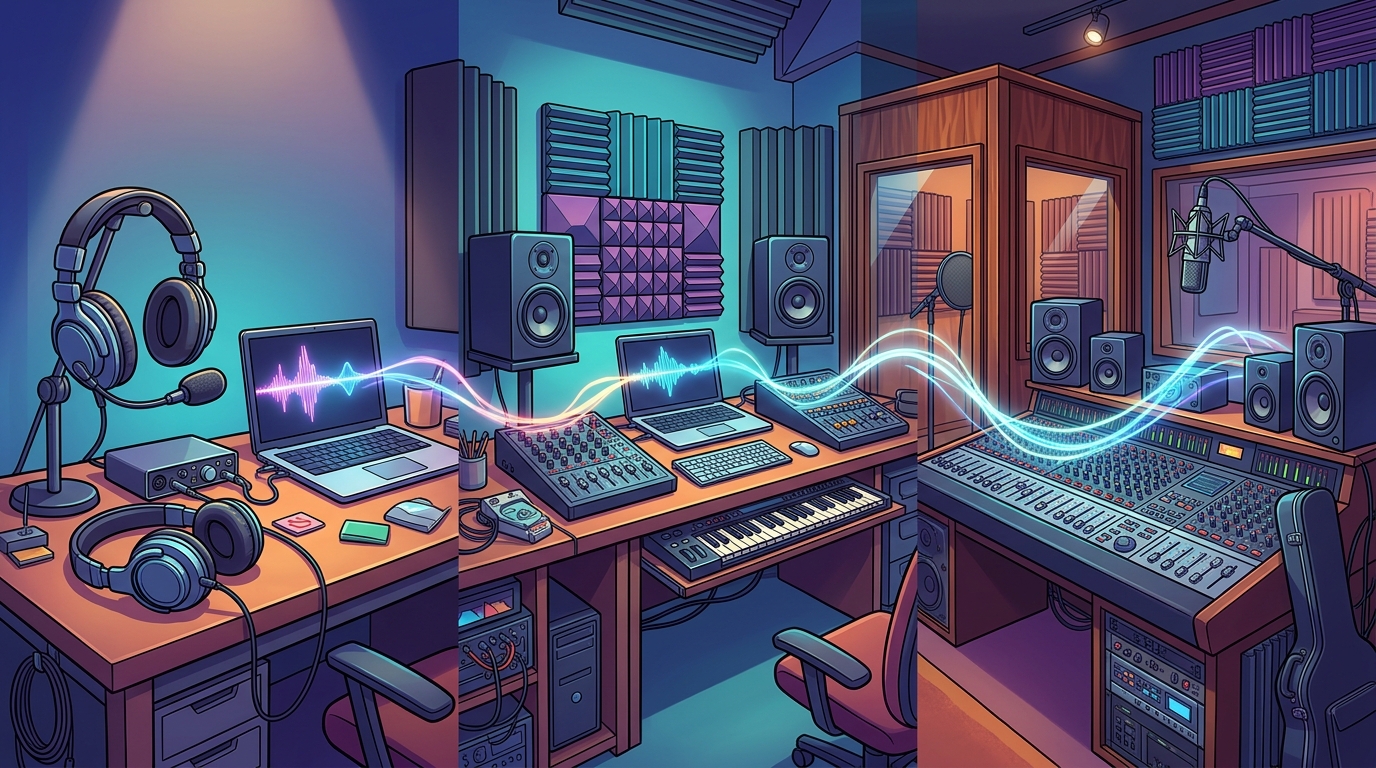
A game jam, student project, or tiny prototype can often work with a game audio production cost of $0 to $5,000. You might use stock sounds, free tools, placeholder music, or record your own heroic “pew pew” effects in the kitchen. A small indie game usually lands around $5,000 to $30,000 for custom sound effects, a limited soundtrack, and a focused audio pass. At this level, a clear scope helps you spend money where players will notice it most, such as the main theme, signature weapons, or that suspiciously dramatic treasure chest.
Premium indie projects commonly budget $30,000 to $100,000, especially when they need original music, rich sound design, voice recording, and audio implementation across the game. AA productions may set aside roughly $100,000 to $500,000 or more, depending on content size, dialogue, platforms, and the quality bar. AAA audio budgets can reach $500,000 to several million dollars, with large teams, orchestral recording, extensive voice work, localization, and months of testing. In other words, the jump from “one synthwave wizard” to “full neon space opera” is not exactly subtle.
A useful planning rule is to reserve about 5% to 15% of your total development budget for music and audio, with 5% to 10% often fitting a conventional plan. Treat that as a starting point, not a law carved into an arcade cabinet, because dialogue volume, music ownership, localization, audio-tool setup, and implementation in your game engine can shift the final price. Before hiring a composer or audio partner, list the number of tracks, sound effects, voiced characters, platforms, and revisions you expect. A focused soundtrack consultation can then turn your wish list into a practical budget, without sending your finances into a boss battle.
Game audio production costs start with your game’s size, scope, and desired “wow” level. As a planning rule, reserve about 5% to 15% of the total development budget for music and audio, with 5% to 10% fitting many conventional projects. Custom sound effects cost more than grabbing stock clips, especially when every weapon, creature, menu click, and crunchy retro explosion needs its own flavor. Original music adds another layer, while adaptive music can raise the price because the soundtrack must react to gameplay instead of simply looping like a haunted cassette tape. More content, more platforms, and more polish can quickly move your budget from bargain-bin tape deck to full neon arcade cabinet.
Voice acting can become a major cost driver once you add casting, studio time, direction, editing, and payment for usage rights. Localization increases the bill further because translated scripts may require new actors, pickups, timing adjustments, and quality checks for every language. Live musicians can give your score a rich, human sound, but session players, arrangers, engineers, studio rental, and recording time all add coins to the arcade machine. A small game with limited dialogue and a compact original score may fit a modest audio budget, while a cinematic adventure with a large cast and many languages can climb dramatically. Clear decisions about performance scale and ownership terms help keep surprise boss battles off your invoice.
Implementation is another line item that is easy to overlook until your beautiful soundtrack refuses to behave in your game engine. Audio-tool setup, interactive music systems, mixing, memory limits, platform testing, and bug fixes all require skilled hands, whether you use a simple audio setup or a deeply reactive system. A prototype might spend $0 to $5,000 with placeholders and stock assets, while a small indie project often lands around $5,000 to $30,000, depending on ambition and polish. Ask for an itemized estimate covering assets, recording, rights, localization, audio tools, and engine implementation so you can compare the real package, not just the shiny headline number. A focused soundtrack consultation can then map your must-have moments, nice-to-have sparkle, and “save that feature for the sequel” ideas before production starts.
Reserve roughly 5% to 15% of your total game-development budget for music and audio, with 5% to 10% as a sensible starting point for a conventional audio plan. This is a planning rule, not a magic price pulled from an arcade cabinet, so your final game audio production cost will depend on scope, dialogue, platforms, quality goals, ownership terms, and implementation needs. A tiny prototype may need only a few thousand dollars, while a larger game with custom music, voiced characters, sound effects, and interactive audio can climb much higher. Think of the budget as your neon fuel gauge: set it early, then adjust it with real project details.
Before requesting quotes, define exactly what you need, including the number of music tracks, sound effects, dialogue lines, songs, revisions, and implementation tasks. Ask for comparable quotes based on the same deliverables, so you are comparing actual packages instead of one quote for a chiptune and another for a full orchestral boss battle. Separate must-have features, such as clear gameplay feedback and a strong main theme, from pixel-polish extras, such as dozens of alternate stingers or highly layered environmental details. This makes it easier to protect the core experience while adding upgrades only when your budget has room.
Most importantly, avoid the classic “we’ll fix the audio later” boss fight. Late audio changes can trigger rushed recording, messy implementation, extra revisions, and expensive rework when levels, animation, or dialogue timing have already been locked. Build an audio plan alongside your game schedule, then confirm who owns the music, who handles revisions, and whether engine integration is included. With those details mapped out, your soundtrack consultation becomes a useful strategy session instead of a frantic trip through the budget dungeon.
Game audio production costs depend on more than the number of tracks you want. A small indie project may spend around $5,000 to $30,000, while a larger title with lots of dialogue, custom music, several platforms, and localization can climb much higher. As a planning rule, reserve about 5% to 15% of your total game development budget for music and audio, with 5% to 10% often fitting a conventional audio plan. Think of it as your neon-lit defense against the final-boss surprise invoice.
When comparing a composer, sound designer, audio studio, or full-service audio partner, look at the whole package instead of only the headline rate. Ask what their experience covers, who owns the music and sound files, how many revisions are included, and whether implementation in your game engine or audio tools is part of the quote. Confirm the delivery schedule, file formats, dialogue needs, localization support, and whether testing across platforms costs extra. A low quote can lose its power-up quickly if every change, export, or implementation task becomes an add-on.
Before you request pricing, prepare a short brief with your game’s genre, mood, platform list, audio examples, asset count, deadline, and budget range. This gives professionals enough context to build a useful estimate instead of guessing through a fog machine. A soundtrack consultation can help you split must-have audio from nice-to-have polish, compare ownership terms, and choose a realistic revision plan before you commit to the financial DLC boss fight. The result is a clearer scope, fewer budget surprises, and a soundtrack that feels more arcade legend than bargain-bin MIDI.
Game audio production costs can range from $0 to $5,000 for a game jam, student project, or tiny prototype, especially when you use stock sounds, placeholders, and a small music package. A small indie game often lands around $5,000 to $30,000 for custom sound effects, music, and limited dialogue. Larger or more content-heavy projects can reach $30,000 to $150,000 or more, while premium productions may climb well beyond that neon mountain. Treat these figures as planning ranges, not sacred arcade high scores, because every game has its own audio loadout.
Your final quote depends on more than the number of explosions in your boss fight. Dialogue volume, music length, sound effect count, number of platforms, localization, ownership terms, revisions, and implementation in your engine or audio tools can all change the price. If you need interactive mixing, adaptive music, or hands-on setup, budget for that production time instead of hoping the audio wizard appears after midnight. A useful rule is to reserve about 5% to 15% of your total game-development budget for music and audio, with 5% to 10% often fitting a conventional plan.
Start by listing your must-have audio, nice-to-have upgrades, and future content before requesting a quote, then ask for clear pricing by asset, milestone, revision round, and implementation task. Early planning helps you protect the budget, choose where custom work matters most, and avoid expensive surprises when the credits start rolling. It also gives your audio partner enough context to build a package that matches your game, schedule, and quality goals. Plan early, and you can get memorable audio without sending your production budget into a tragic 1980s arcade overheat.
Game audio production costs have no one-size-fits-all price tag, because your project’s scope sets the tempo. A tiny prototype might spend $0 to $5,000 on stock sounds, simple music, or placeholder voice lines, while a small indie game may need $5,000 to $30,000 for custom audio. As a planning rule, you can reserve about 5% to 15% of your total game-development budget for music and sound, with 5% to 10% often fitting a conventional audio plan. Your final number can rise with more dialogue, multiple platforms, localization, interactive music, or implementation in your game engine or audio tools.
The smartest move is to define your must-have sounds, music ownership terms, voice needs, and implementation support before requesting a quote. A clear brief helps you avoid the classic budget boss battle, where a “quick soundtrack” suddenly unlocks 300 sound effects and six language versions. You can also protect your budget by setting priorities, such as focusing first on the title theme, core gameplay sounds, and memorable audio cues. Ready to give your game a neon-powered sonic identity? Explore our Custom Retro Soundtrack Services For Games And Films to discover how we can help shape your audio plan and turn your budget into a soundtrack players remember.