Picture yourself cruising down a neon-lit highway in 1994, hair sprayed to the heavens, only to realize you just dropped your life savings on a plastic brick that won’t even play the next big game. While the nostalgia market is currently exploding like a Super Star power-up, it’s built on a graveyard of legendary retro gaming console mistakes that still make our wallets ache. From add-ons that were basically expensive paperweights to consoles priced higher than a used car, the history of gaming is packed with “what were they thinking” moments.
You’re likely here because you love the glow of a CRT screen but want to know why some of your childhood favorites ended up in the bargain bin of history. Between hardware that caused actual headaches and clunky designs that looked like VCRs from another planet, these blunders shaped the industry we love today. It’s time to grab a soda, kick back in your beanbag chair, and look at the glorious disasters that tried to sell us the future and failed harder than a low-battery handheld.
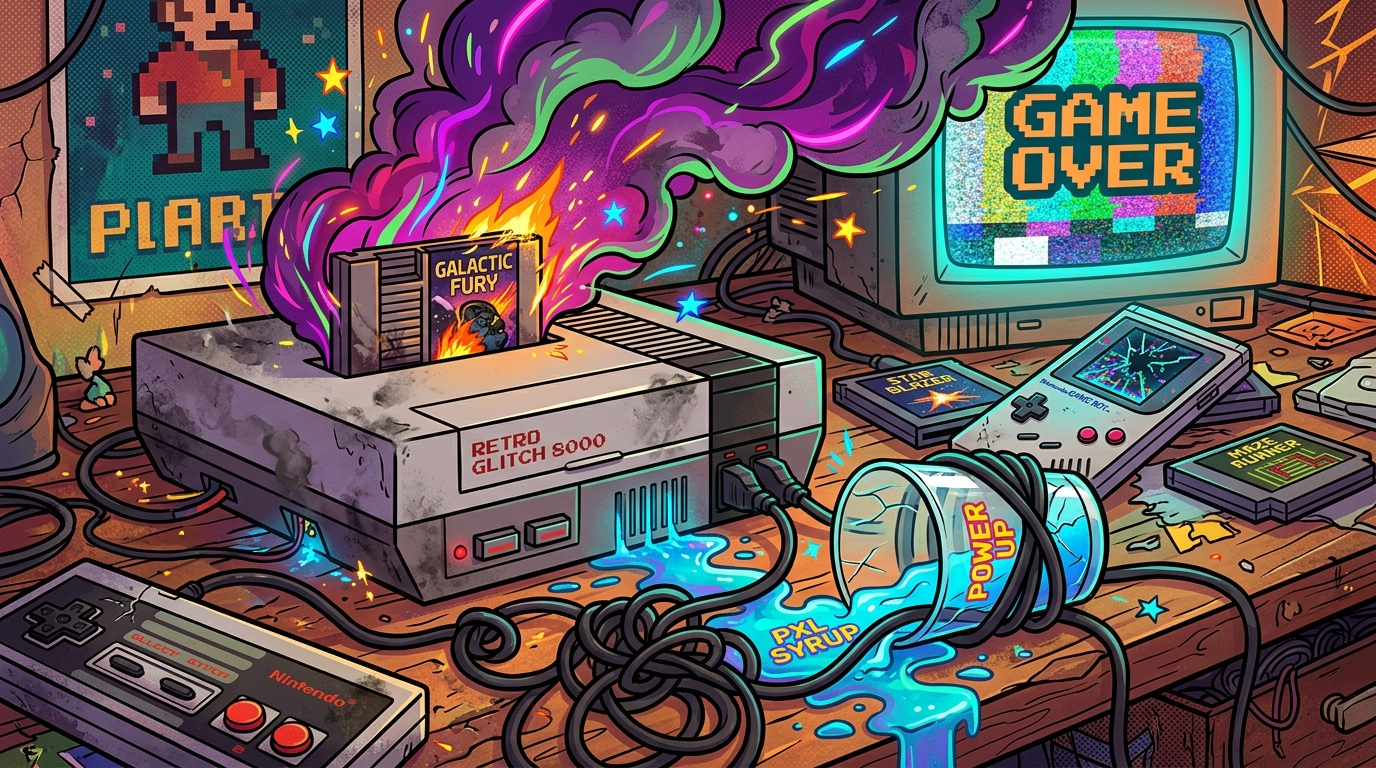
Buying a vintage console is like finding a hidden treasure chest, but you have to make sure the loot inside hasn’t turned into a puddle of toxic sludge. Many classic systems from the nineties are ticking time bombs because of cheap internal components called leaking capacitors that tend to leak over time. These little metal cans act like tiny batteries of acid that can eat through your circuit board if you aren’t careful. You might think you found a total steal on a neon colored handheld, but a quick peek inside could reveal a motherboard that looks like a science experiment gone wrong. Always ask for photos of the internals or a guarantee that the system has been serviced before you drop your hard earned cash.
Batteries are the silent killers of the retro gaming world, especially when it comes to keeping your high scores and save files alive. While a dead battery just means you lose your progress, a leaking battery can actually melt the plastic and metal inside your favorite console. This “battery rot” creates a crusty blue mess that spreads faster than a viral meme, destroying everything it touches. It is a total bummer to realize your pristine machine has been slowly dissolving on a shelf for the last twenty years. Taking a few minutes to check for corrosion is the ultimate pro gamer move to save your collection from an early grave.
Don’t let the high energy synthwave vibes of a cool looking console distract you from the reality of hardware decay. These machines were not exactly built to last forever, so you have to be the hero that saves them from the “capacitor plague.” If you smell something like rotten fish or see weird stains on the board, you are looking at a major repair project rather than a plug and play experience. Avoiding these common hardware blunders will keep your wallet happy and your gaming sessions totally tubular. Being a smart collector means looking past the shell and making sure the guts of your machine are still ready to rock.
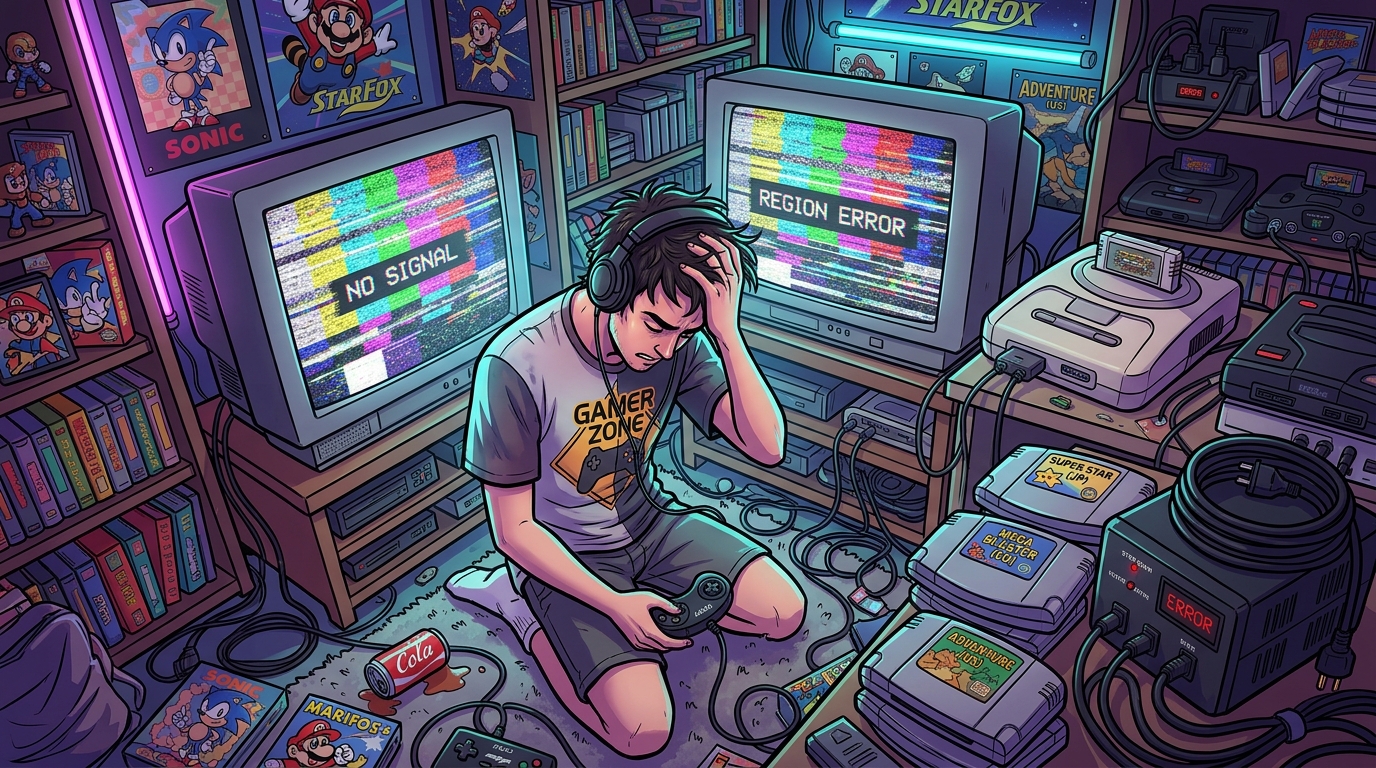
Scouring the internet for a crystal white Japanese import or a sleek foreign console feels like finding a hidden treasure chest in a synthwave fever dream. You finally click buy, wait weeks for the mail, and rush to plug it in only to be greeted by a soul crushing black screen or a puff of magic smoke. This classic rookie mistake happens because different parts of the world use different power voltages and video standards. If you plug a vintage Japanese console directly into a high voltage outlet without a proper step down transformer, you might literally fry your new prize before the title screen even loads.
Even if you manage to keep the hardware from melting, the dreaded regional signal lockdown is waiting to ruin your neon vibes. Back in the day, televisions in North America used NTSC signals while many other places used PAL, and these two systems definitely do not play nice together. You might find yourself wondering is CRT gaming worth it when staring at a scrambled, rolling mess of static because your modern TV cannot translate the old school regional encoding. It is a total buzzkill to own a legendary library of import games that your setup treats like a pile of useless plastic bricks.
Always do your homework on region locking and signal compatibility before you drop your hard earned digital gold on an import. Many vintage systems have physical or software barriers that prevent games from one country from booting on hardware from another. You can avoid these expensive headaches by looking for region free modifications or using modern video converters that bridge the gap between old tech and new displays. Keeping your retro journey glitch free means understanding that not every plug and play dream is as simple as it looks on your favorite aesthetic mood board.
Navigating the retro market feels like a high-stakes boss battle where the final boss is a blurry listing for a “mint condition” console that is actually held together by hope and duct tape. You need to keep your eyes peeled for those classic “franken-consoles” that look totally radical on the outside but hide a nightmare of leaky capacitors and corroded motherboards within. Many sellers try to capitalize on the massive retro market by slapping a premium price tag on hardware that is basically a digital paperweight. Before you drop your hard-earned tokens, always ask for photos of the internal boards to ensure you are not buying a ticking time bomb. If a deal looks too good to be true, it probably is a total glitch in the system.
Do not let the nostalgia goggles blind you to the danger of region-locking traps and sketchy modern clones that promise the world but deliver a laggy mess. Some listings are designed to trick new collectors into buying overpriced mini-consoles or crowdfunding failures that never actually received proper software support. You should check the serial numbers and look for telltale signs of clear plastic or mismatched parts that scream “fake hardware” louder than a distorted synth track. It is easy to get caught up in the hype of a rare find, but a little bit of detective work will save you from a major financial game over. Stay savvy and keep your cool so your gaming den stays filled with authentic legends rather than overpriced junk.
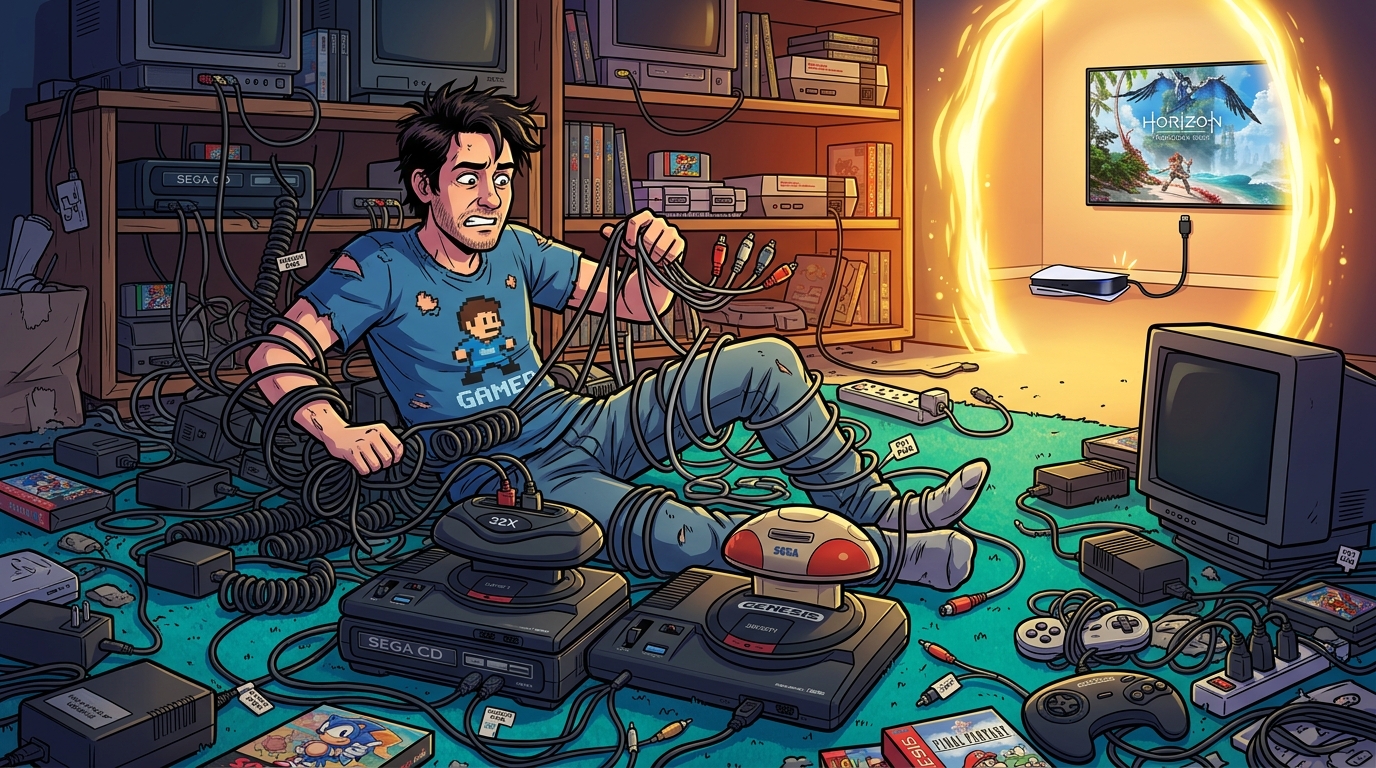
Scoring a vintage console for twenty bucks at a garage sale feels like winning the lottery until you realize it is missing its proprietary power brick. Many classic systems from the nineties used unique voltage requirements and specific plug shapes that you cannot just replace with a modern USB cable. You might find yourself scouring online auctions only to discover that the official power supply costs three times what you paid for the actual hardware. It is a total buzzkill when your neon dreams are put on hold because of a chunky piece of plastic that is harder to find than a secret level. Always check the back of the unit for weird ports before you hand over your hard earned cash.
The infamous add on trap is another way your retro budget can go up in digital smoke. Some consoles were designed like expensive paperweights that required extra modules or expansion packs just to play the best games in the library. If you buy a system that needs a separate CD drive or a RAM booster to function, you are essentially buying a very expensive paperweight until you track down the rest of the set. These modular setups were often unstable and created a messy web of wires that looks more like a robot’s spaghetti dinner than a clean gaming rig. Avoid the headache of hunting down rare peripherals by sticking to systems that work right out of the box.
Proprietary AV cables are the final boss of this hardware nightmare and they can be surprisingly expensive to replace. While modern TVs use standard plugs, many retro machines used custom connectors that only worked with one specific brand of television or monitor. If you lose that special cord, you are stuck staring at a black screen while your friends are off enjoying some 8-bit glory. Buying a console without its original leads often means you will spend weeks waiting for a specialized adapter to arrive in the mail. Do yourself a favor and make sure the bundle includes every single wire needed to get that glow on your screen immediately.
Navigating the retro gaming wasteland is like trying to beat a final boss with only one health point left, so you need to keep your eyes peeled for those sneaky traps. Before you drop your hard earned cash on a dusty console, always check for ticking time bombs like leaking capacitors or corroded battery compartments that can melt your motherboard into expensive scrap metal. You should also watch out for region locking and overpriced hardware add-ons that promised the world back in the day but delivered nothing but frustration. Keeping your wallet full means avoiding the hype of overpriced “holy grail” finds and focusing on gear that actually works without needing a degree in electrical engineering.
Building a legendary collection is all about staying smart and keeping your cool while the neon lights of nostalgia try to blind you. You do not want to be the person who buys a console for a king’s ransom only to find out it requires a proprietary cable that costs twice as much as the system itself. Take a deep breath, do your research on those common hardware blunders, and remember that a true pro knows when to walk away from a bogus deal. Your setup should be a tribute to the golden age of gaming rather than a graveyard of expensive mistakes and broken plastic dreams.
Once you have saved your vintage hardware from the scrap heap, it is time to make sure your gaming zone looks as radical as your high scores. A legendary setup deserves a space that feels like a 1980s dream world where every pixel and neon light is perfectly in place. You can easily Upgrade Your Workspace With Retro Futuristic Office Supplies to ensure your desk matches the aesthetic of your favorite classic consoles. Discover how we can help you create the ultimate command center that keeps your collection organized and your vibe totally tubular. You might even find inspiration in the radical world of Sega Saturn box art to decorate your gaming shelves.
Think of capacitors as tiny soda cans filled with acid that live inside your console. Over time, these little guys can leak and eat your motherboard like a digital zombie. You need to check for these leaks or hire a pro to swap them out before your favorite system becomes an expensive paperweight.
Always ask for photos of the insides to make sure it does not look like a science experiment gone wrong. A shiny shell can hide a world of rust and battery rot that will break your heart. If the seller cannot prove it has been serviced, you are basically playing Russian roulette with your wallet.
Internal batteries are the secret sauce that keeps your high scores and RPG progress alive while the power is off. When these batteries die, your save files vanish into the digital void forever. You should replace them every decade or so to keep your childhood victories safe from the reaper.
Most of those clunky plastic attachments were basically glorious disasters that cost more than a used car. While they look cool on a shelf, many were failed experiments that had very few games worth playing. Stick to the main consoles unless you really enjoy collecting overpriced dust magnets.
It depends on whether the battery acid has chewed through the vital parts of the circuit board. Sometimes a good cleaning can save the day, but often the damage is a total game over. Your best bet is to prevent the rot by removing old batteries before they turn into toxic sludge.
Some of the most legendary blunders in gaming history looked like chunky tech from another planet. While they might look rad in your neon-lit game room, always check if the hardware actually works without giving you a headache. Cool aesthetics are great, but you want a system that plays games, not just a plastic brick. Finding the best CRT TV for your setup is also essential for getting the most out of these old machines.