You are probably sick of seeing the same perfectly smooth, soulless AI art flooding your feeds. If you want your screen to look less like a boring corporate slideshow and more like you just hacked the mainframe while blasting heavy synthwave, it is time to embrace retro wireframe graphics. These neon-soaked, low-fi visuals are making a massive comeback, pulling you straight into an 80s arcade cabinet where glowing green grids ruled the digital universe.
Forget boring high-res textures and photorealistic snoozefests. Instead, you get to play with rad floating geometric shapes, pixelated shading, and glowing neon lines that look like a glitchy VHS tape in the best way possible. It is the ultimate aesthetic for channeling your inner cyber-rebel and making designs that hit right in the nostalgic feels.
Picture yourself sitting in a dimly lit arcade in 1983 with a pocket full of quarters and a desperate need to hack the mainframe. That is the exact energy you get from classic retro wireframe graphics. Before video games looked like interactive blockbuster movies, you had to use your imagination to turn glowing neon lines on a pitch-black screen into a high-speed starfighter. It was a simpler time when a few properly placed geometric shapes made you feel like a supreme cyber god. You can easily capture that nostalgic early-hacker vibe today by throwing some bright vector grids onto a dark background.
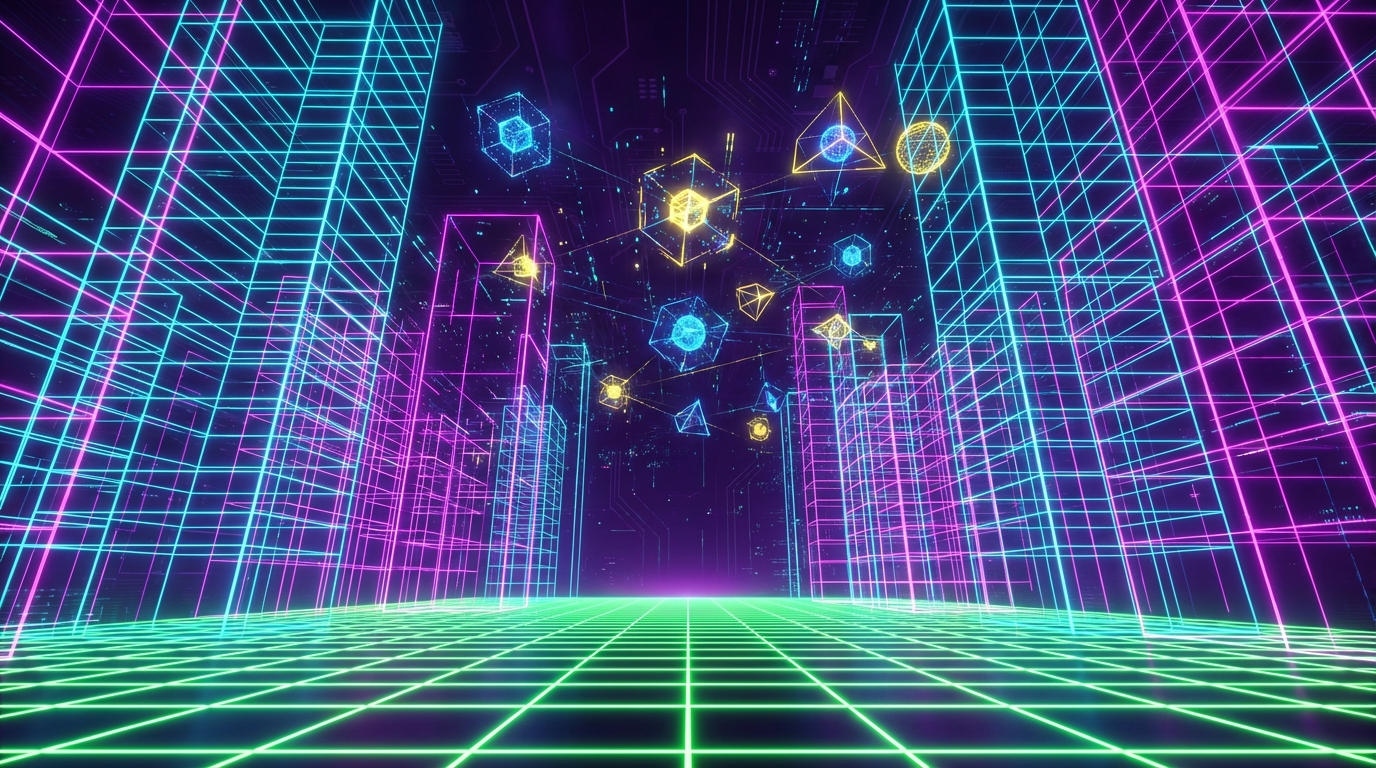
Those electric cyan and hot magenta 3D meshes are the absolute bread and butter of modern synthwave art. If you want to make a poster or a stream overlay that screams retro aesthetic, you absolutely need these glowing topographical maps. They create a fantastic illusion of depth and perspective without requiring you to build complicated textures or realistic lighting. Just slap down a distorted grid, and suddenly your audience feels like they are cruising down a digital highway in a neon sports car. It is honestly the ultimate cheat code for making any digital canvas look instantly cool.
Graphic designers are bringing this look back in a huge way to fight against the boring sameness of flawless AI art. People are tired of perfectly smooth renders, so they are embracing the glorious crunch of low-fidelity graphics. You can combine your glowing wireframes with a classic retro technique called dithering, which uses chunky pixel patterns to fake shadows and gradients. This gives your designs a wonderfully gritty texture that feels totally authentic to early computer drafting programs. Embracing this high-tech but low-fi paradox is guaranteed to give your next project some serious internet street cred.
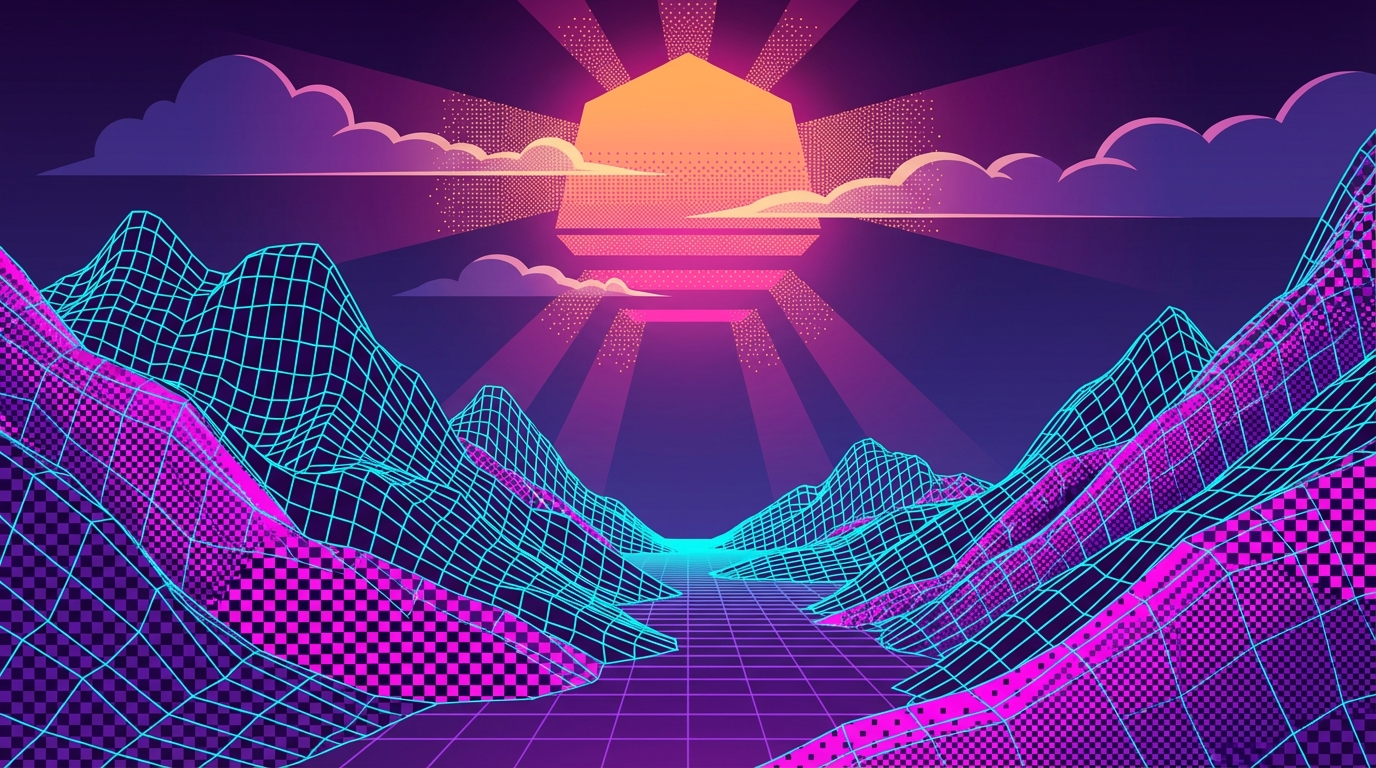
Say goodbye to those perfectly smooth, soulless digital renders that make every modern video game look exactly the same. You know the ones, where you can count the individual pores on a character’s face but the game itself feels completely hollow. It is time to welcome back the glorious, chunky pixel patterns of the past and embrace the magic of retro wireframe graphics. We are talking about the dithering renaissance, a beautiful technique from the eighties that uses clever pixel arrangements to fake shading and gradients. This crunchy aesthetic gives your art that authentic, low-fidelity computer terminal vibe that gamers absolutely eat up.
Before we had ultra-realistic gaming engines, we survived entirely on glowing neon lines dancing across pitch-black screens. If you want to capture that specific, nostalgic early-hacker vibe, dithering is your ultimate cheat code. By mixing a few simple colors in tight checkerboard patterns, you instantly transport your audience straight into a synthwave music video. It is the perfect way to build those classic 3D mesh grids and topographical maps without relying on boring, high-definition textures. Your designs will look like they were pulled straight from a vintage arcade cabinet, ready to hack the mainframe and save the digital universe.
Leaning into this high-tech but low-fi paradox is the ultimate power move for your next creative project. You do not need a supercomputer to make something that looks incredibly cool and dripping with vaporwave style. Just drop in some neon pinks and cyan blues, add a healthy dose of pixelated dithering, and watch the magic happen. People are tired of artificial intelligence creating boring, flawless images that lack any real personality. Give the people what they really want, which is a totally radical trip back to the golden age of cyberspace.
You scroll through your feed and see another perfectly rendered, soulless digital scenery made by an AI in five seconds. It looks completely flawless, but it also looks exactly like the last hundred images you just ignored. To fight back against this boring robot supremacy, you need to crank up the dial on some strategic nostalgia. Enter the glorious world of retro wireframe graphics, where glowing neon lines on pitch-black screens reign supreme. Emphasizing this early-hacker aesthetic makes you feel like you are about to bypass a firewall while blasting your favorite synthwave cassette.
Think back to the golden age of arcade cabinets and those chunky old computer monitors that weighed as much as a small car. You can capture that exact same magic today by dropping some distorted 3D mesh grids and low-fidelity shapes onto your digital canvas. Instead of letting an algorithm generate perfectly smooth shading, use old-school dithering to create pixelated gradients that look delightfully crunchy. Throw in a classic neon color palette, and suddenly your artwork screams rebellious cyber-brutalism. Embracing these radical vaporwave vibes is a foolproof way to make your portfolio pop in a massive sea of artificial perfection.
You do not need to be a legendary arcade champion to appreciate the raw power of these nostalgic visuals. Dropping a glowing grid onto your next project instantly tells the world that you prefer cool human creativity over mindless machine generation. Your audience will absolutely eat up that retro energy and completely ignore the boring hyper-realistic art floating around the internet. Grab your digital neon markers and start drawing those jagged little lines like it is 1985 all over again. After all, nothing beats the feeling of outsmarting the algorithms using nothing but pure pixelated style.

To truly capture that glorious retro wireframe graphics aesthetic, you need to think like an 80s movie hacker breaking into a mainframe while wearing fingerless leather gloves. Start by ditching those perfectly smooth, boring AI renders for a classic neon-on-black color scheme. Slap bright, glowing green or hot pink lines over a pitch-black background to make your stream overlay pop. Next, drop in a distorted 3D mesh grid that looks like a glowing topographical map of a digital mountain range. This instantly gives your project that nostalgic arcade feel that makes everyone want to blast synthwave music and drive a sports car into the sunset.
Once you have your glowing grid ready, it is time to sprinkle in some chunky, low-fi vector shapes. Think about those clunky geometric polygons that used to blow our minds on old arcade cabinets and early computer screens. Instead of using modern, buttery-smooth gradients, try a fun technique called dithering. This old-school trick uses tiny pixel patterns to create shading, giving your album cover or poster a beautifully crunchy texture. Embracing these imperfect, pixelated shadows is the ultimate cheat code for making your designs look totally rad and authentically vintage.
You have survived the digital grid and are finally ready to bring those glowing neon lines to your own projects. Retro wireframe graphics give you the ultimate cheat code to escape the boring perfection of modern AI art. By embracing those chunky 3D meshes and pixelated dithering effects, you can instantly transport your audience straight into an 80s arcade cabinet. It is time to ditch the ultra-realistic textures and embrace the nostalgic beauty of a simple neon green grid on a pitch-black screen. Your inner hacker is practically begging you to make the switch.
Now you just need to set the mood before you blast your next design project back to the future. Go ahead and grab your darkest pair of aviator sunglasses, even if you are sitting in a windowless basement at three in the morning. Fire up your favorite synthwave playlist and let those heavy synthesizer beats guide your mouse across the digital canvas. Drawing those low-fidelity vector shapes will feel incredibly satisfying when you have the right retro soundtrack pumping in your ears. Get out there and start building your own glowing virtual universe, one neon line at a time.
They are those glowing neon lines and geometric grids on pitch-black backgrounds that make you feel like you are hacking a 1980s mainframe. Instead of boring realistic textures, you get rad floating shapes and pixelated shading. It is basically the visual equivalent of a killer synthwave mixtape.
People are totally burned out on perfectly smooth and boring corporate designs. These low-fi visuals bring back a massive wave of nostalgia and let you channel your inner cyber-rebel. Plus, they look infinitely cooler than another generic slideshow.
You definitely do not need to know how to hack the government to pull off this look. You just need to slap some bright vector grids and glowing shapes onto a dark background. It creates an awesome illusion of depth without making you learn complicated 3D software.
You will want to stick to the holy trinity of 80s hacker colors. Electric cyan, hot magenta, and glowing arcade green are your absolute best friends here. Just make sure you put them over a pitch-black screen so those neon lines really pop.
You can use these rad graphics anywhere you want to inject some pure 80s arcade energy. They make total banger stream overlays, killer event posters, and epic social media backgrounds. Basically, put them anywhere that needs to look like a glitchy VHS tape in the best way possible.
It is all about using distorted grids and glowing topographical maps to trick your eyes. When you bend those neon lines toward a vanishing point, you instantly feel like you are cruising down a digital highway. You get all the epic perspective without wasting hours building realistic shadows.
Absolutely not, because looking like a retro arcade cabinet is the ultimate flex right now. It shows you have actual personality instead of blending into the sea of boring high-res snoozefests. Your audience will totally respect the nostalgic feels and cyber-god energy.