Imagine stepping into a time machine set to 1989, where the neon is bright and the mobile phones are the size of actual bricks. Back in the day, the mobile retail culture was all about that big-hair energy and an entrepreneurial spirit that felt more like a family than a cubicle farm. You weren’t just a cog in a machine, you were a high-score hero guided by five fundamental rules designed to keep the vibes immaculate and the customers happy. It was a world of impartial advice and legendary office socials that felt like a synthwave fever dream.
Fast forward to the present, and that retro aesthetic has leveled up into a sleek, corporate final boss. After the standalone stores vanished like a glitch in the matrix, the brand integrated fully into a massive retail empire. You’ll find that while the pixels have changed, the mission to under-promise and over-deliver remains the core gameplay loop. It’s a transformation from a quirky indie title to a blockbuster franchise, blending those old-school values with a high-tech corporate reality.
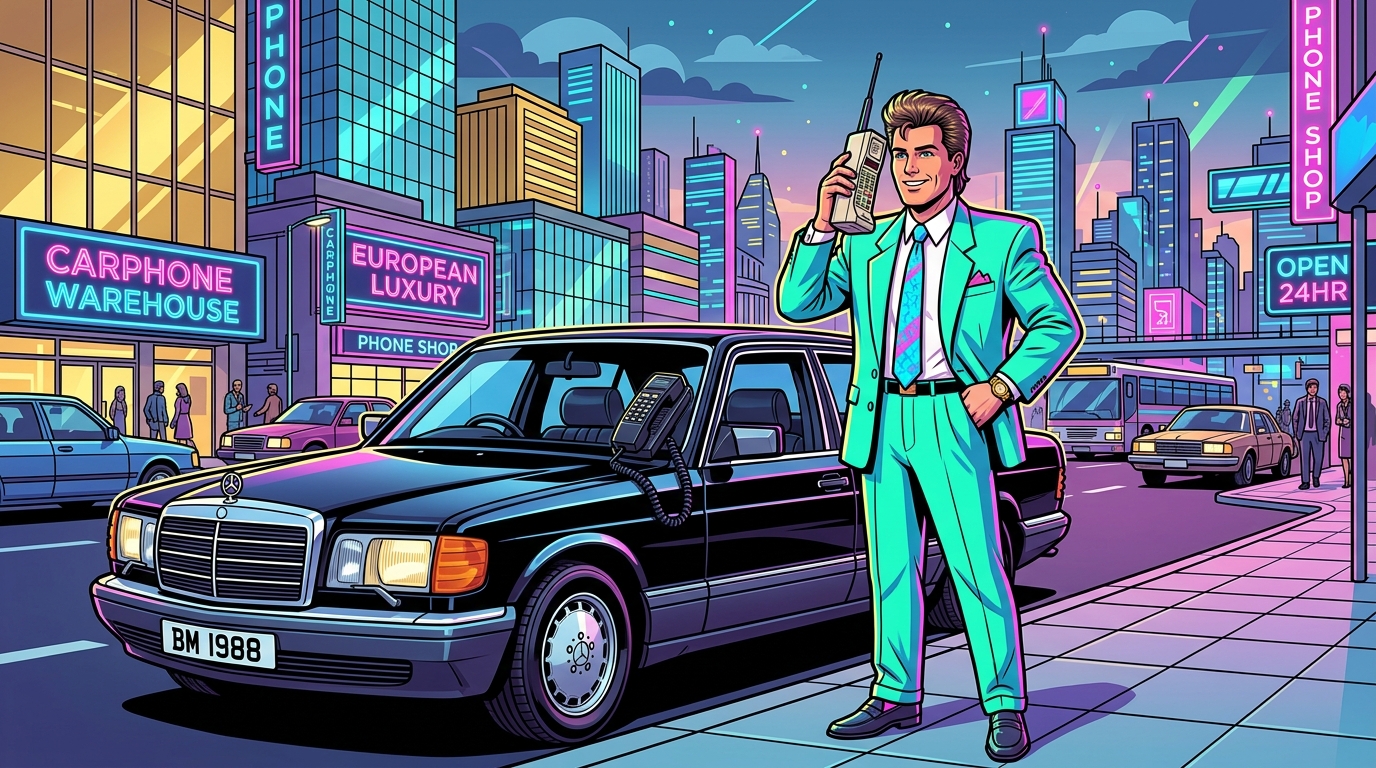
Back in the neon-soaked days of the 1980s, nothing screamed “I have arrived” quite like a permanent telephone bolted into the center console of your sedan. You weren’t just a driver, you were a high-flying executive who was too busy closing deals to wait for a landline. While everyone else was hunting for a greasy payphone and a handful of spare change, you were sitting in plush velvet seats making power moves. It was the ultimate flex of the era, turning your car into a mobile command center that looked like it belonged in a synthwave music video. Owning one of these chunky units was the vintage equivalent of having a private jet parked in your driveway.
The sheer aesthetic of early carphone culture was all about heavy hardware and massive social status. These devices were huge, featuring thick coiled cords and antennas that signaled your importance to every passerby. You had to be a literal heavy hitter just to lift the handset, which felt more like a dumbbell than a piece of communication tech. This was the peak of tech luxury, where the size of your phone was directly proportional to the size of your bank account. It was a time when being reachable at sixty miles per hour was a futuristic dream that only the elite could afford.
Stepping into a mobile tech shop during this golden age felt like entering a portal to a world of high-tech glamour. The staff were there to help you navigate a world where mobile technology was still a mysterious and shiny new frontier. You were treated like a VIP who was about to join an exclusive club of early adopters and trendsetters. Every installation was a celebration of the hustle, proving that you were ready to take on the world from the comfort of your driver’s seat. It was a glorious era of big hair, big cars, and even bigger phones that defined the original high roller lifestyle.
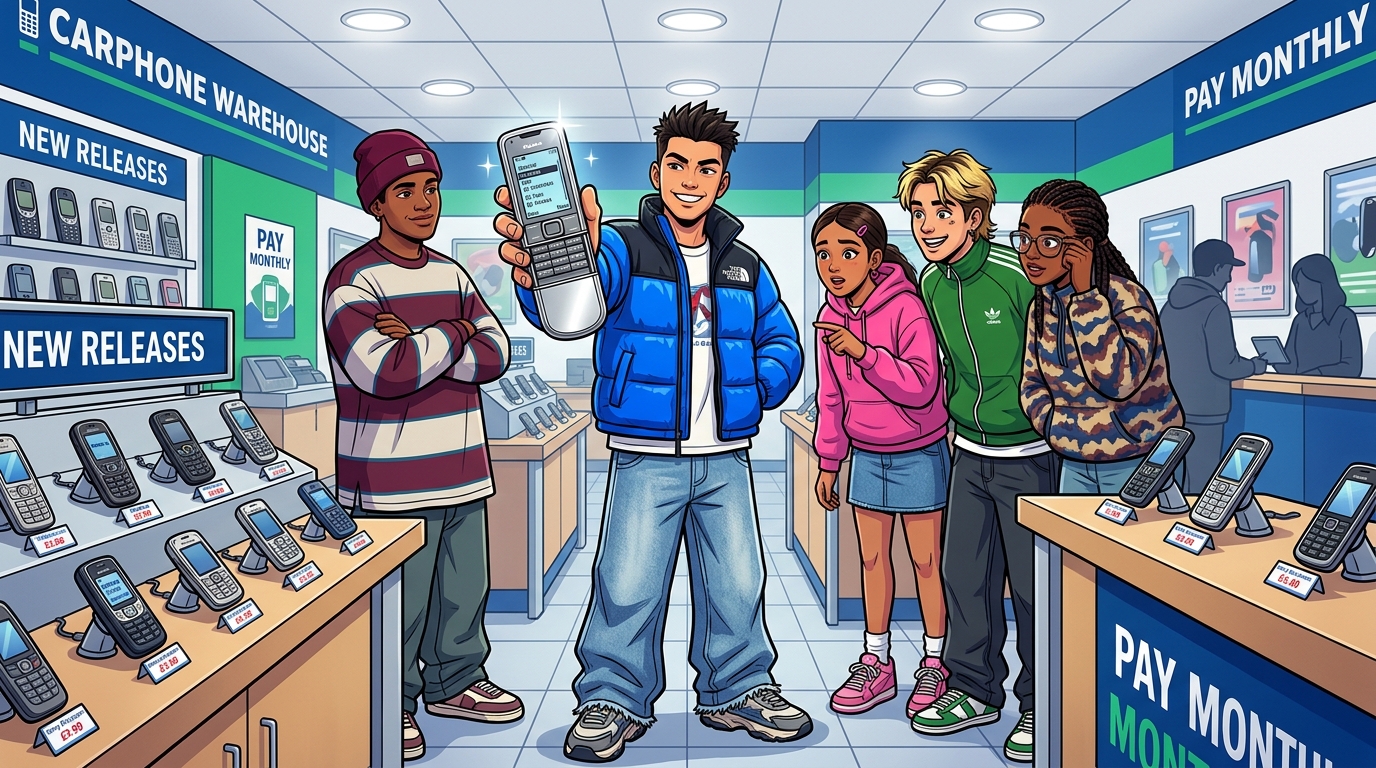
Back in the day, rocking a mobile phone was the ultimate power move that made you look like a high-flying stockbroker straight out of a neon-soaked movie. Before everyone had a slim smartphone tucked in their pocket, these chunky bricks were the crown jewels of the high street. You didn’t just carry a phone, you wielded it like a glowing scepter of status while walking through a cloud of hairspray. If you were seen browsing the aisles for the latest tech, you were telling the world that you had officially arrived. It was all about that big energy, where the size of your antenna was directly proportional to the size of your bank account.
The art of the mobile flex was a serious business that required you to find any excuse to whip out your device in public. You would strategically place your massive handset on the dinner table just to watch the heads turn in awe. These gadgets were so heavy they could double as gym equipment, but the social clout was worth the literal heavy lifting. It was a time of pure digital magic where having a car phone meant you were living in the future. You weren’t just making a call, you were performing a ritual of wealth that signaled you were too busy and important to be tethered to a wall.
The retail culture tapped into this vibe by turning every customer into a tech pioneer ready to conquer the world. The shop floor was the place where your dreams of becoming a high-tech mogul finally became a reality. You could walk in as a regular person and walk out with a device that made you feel like a synthwave superstar. Even though the tech was bulky and the minutes were pricey, the feeling of pure luxury was undeniable. It was an era of bold fashion and even bolder technology where the goal was always to over-deliver on the cool factor.
Imagine yourself cruising down a neon-lit highway in 1985 with a massive corded receiver glued to your ear like a true high roller. Back then, having a phone in your car was the ultimate flex, signaling to the world that you were far too busy and important to be disconnected for even a second. These early devices were basically landlines on steroids, bolted directly into your dashboard and powered by a chunky battery that lived under your seat. You felt like a secret agent or a high-powered stockbroker every time you dialed a number while stuck in traffic. It was the peak of high-tech luxury, even if the signal was spotty and the equipment took up half of your glove box.
As the decade rolled on, the dream of mobility finally broke free from the car door and transformed into the legendary handheld brick. You probably remember these glorious beige monoliths that required a gym membership just to lift them to your face for a five minute call. They were oversized, impractical, and absolutely iconic symbols of status that made you look like you were talking into a literal piece of masonry. Carrying one of these bad boys in your briefcase was a total power move that screamed you were living in the future. Even though they had antennas longer than your arm, they paved the way for the pocket-sized world you live in today.
The culture surrounding these gadgets was all about that bold, entrepreneurial spirit where more was definitely better. You were part of an elite club of early adopters who didn’t mind the weight as long as you could stay connected on the go. It was a time of pure synthwave vibes and big dreams, where the technology was as loud and flashy as the fashion. Everyone wanted a piece of that portable magic, setting the stage for a revolution that would eventually shrink those massive bricks into the sleek glass rectangles you use now. Looking back, those chunky devices were the true pioneers of the handheld era, proving that you were ready to lead the charge into a digital world.
Looking back at the neon-soaked aisles of the past, it is clear that the carphone culture was the ultimate status symbol of a pre-digital revolution. You might remember when carrying a device the size of a toaster made you feel like a high-flying executive from a synthwave music video. These chunky bricks and glowing screens were more than just tools because they represented a dream of being constantly connected. Even though the technology was bulky and the batteries barely lasted a lunch break, the vibe was undeniably cool. You were part of an elite club that traded portability for pure, unadulterated 80s swagger.
While the standalone shops have faded into the digital sunset, the spirit of that era still lives on in every smartphone swipe you make today. The shift from high-tech luxury to everyday necessity happened because those early pioneers embraced a modern style movement of fun and customer focus. You no longer need a dedicated carrying case for your mobile, but you can still turn your smartphone into a retro time machine. It is funny to think that our sleek modern devices owe their existence to those massive plastic handsets and the people who sold them. That retro energy paved the way for a world where everyone can feel like a tech mogul from the comfort of your couch.
The legacy of this era is a perfect blend of nostalgic charm and the foundation of our current hyper-connected lives. You can still hear the echoes of those five fundamental rules in the way we expect technology to be impartial and user-friendly today. Even as the brand evolves into its new corporate home, the memory of those vibrant showrooms remains a core part of tech history. It was a time of big hair, bigger phones, and an even bigger sense of excitement for what the future might hold. Grab your favorite vaporwave playlist and take a moment to appreciate how far your pocket-sized supercomputer has really come.
The early days were a total synthwave fever dream filled with neon energy and big-hair vibes. You weren’t just a worker in a cubicle farm, you were part of a tight-knit family that felt more like a quirky indie game than a corporate grind.
The brand leveled up from a scrappy indie title to a blockbuster retail franchise after integrating into a massive corporate empire. While the standalone stores might have vanished like a glitch in the matrix, the core gameplay loop of under-promising and over-deliver is still the main mission.
These rules were the ultimate strategy guide for keeping the vibes immaculate and the customers stoked. They acted as a cheat code to ensure every interaction was helpful, impartial, and focused on high-score levels of service.
Having a massive phone bolted into your sedan made you a high-rolling executive who didn’t need to hunt for greasy payphones. It was the vintage equivalent of parking a private jet in your driveway, turning your car into a mobile command center straight out of a music video.
The office socials were epic events that solidified the entrepreneurial spirit and family feel of the brand. They were a key part of the culture that kept everyone connected before the pixels changed and the company entered its corporate final boss phase.
Absolutely, because being a high-score hero means giving customers the real talk they need. Even as the brand moved into its high-tech corporate reality, the mission to provide honest and helpful guidance remained a core value. Just as the digital brick of the 80s music scene changed everything, these early mobile phones set the stage for our modern world.