If you have ever wanted to drive a DeLorean down a purple grid at midnight, you are in the right place. Making synthwave music is all about capturing that specific feeling of nostalgia for an era that was arguably way cooler than today. You don’t need an actual time machine or a mullet to get started, but you will need to embrace the cheese and the drama of the 1980s. This genre blends those dusty, vintage electronic sounds with modern computer magic to create something that feels retro yet fresh. Think of it as the musical equivalent of a VHS tape that somehow plays in 4K resolution.
The recipe usually involves heavy synthesizers that sound like they came straight out of a sci-fi arcade cabinet. You want to look for sounds that mimic classic hardware like the Roland Juno or Yamaha DX7, even if you are just using software on your laptop. A huge part of the style is the bassline, which should pump rhythmically like a heartbeat during a scary movie chase scene. Producers often use a trick called sidechaining to make the bass duck out of the way every time the kick drum hits. It creates that signature head-bobbing groove that makes you feel like the main character in an action flick.
Speed is not the goal here, so keep your tempo chilled out between 80 and 110 beats per minute. Your drum patterns should rely on punchy sounds that echo like they were recorded in a massive, empty warehouse. Don’t be afraid to drown everything in reverb and delay effects to give your track that dreamy, spacey atmosphere. Whether you are aiming for a cyberpunk chase or a romantic beach drive, the vibe is always king in this genre. Grab your keyboard and get ready to paint the airwaves with some serious neon colors.
To build a beat that hits harder than a sudden game over screen, you need to start with the right hardware sounds. Forget about those super clean modern drum kits because we really want the crunchy goodness of the 1980s. The Roland TR-707 is basically the holy grail for that plastic, punchy rhythm found in your favorite retro action movie montages. You can also look for Linndrum samples if you want to sound like you are driving a virtual sports car into the digital sunset. Just make sure the kick drum is heavy enough to rattle your windows while you work on the track.
Once your samples are loaded, it is time to tackle the snare drum, which needs to sound absolutely massive. We are talking about that legendary gated reverb effect that Phil Collins made famous back when hairspray was practically a food group. To do this, you slap a huge reverb on your snare track and then abruptly cut off the tail with a noise gate. This trick makes your drums sound like they are exploding inside a giant metal warehouse without making the rest of the mix messy. It gives your track that signature power that instantly teleports listeners back to a neon-soaked 1984.
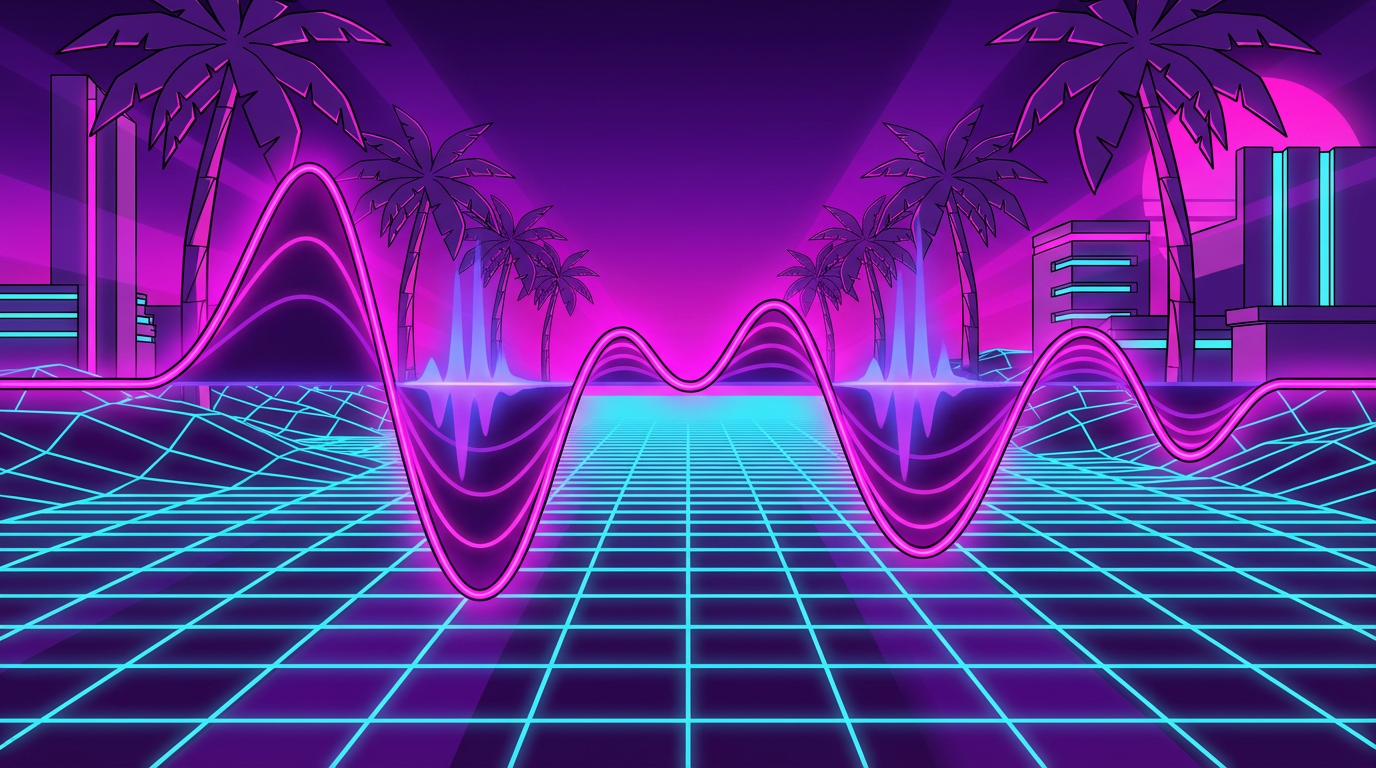
To get that driving feeling of cruising down a neon highway at midnight, you need a bassline that never quits. Instead of just holding down one boring note, try programming a rapid stream of eighth or sixteenth notes on your grid. An easy cheat code is to use an arpeggiator set to bounce between octaves, which instantly makes you sound like a pro. Stick to classic analog waveforms like saws or squares to keep things sounding gritty and authentic to the era. This constant motion creates the kinetic energy that powers every great 80s montage or boss fight.
Once your rolling bass is locked in, it is time to apply the magic known as sidechain compression. This technique automatically lowers the volume of your bass every time the kick drum hits, creating a rhythmic pumping effect. Think of it as your bass politely ducking out of the way so the kick can punch through the mix like an action hero. Without this crucial step, your low end will turn into a muddy mess that sounds worse than a corrupted save file. Crank up the ratio until the track feels like it is breathing, giving your listeners that irresistible urge to headbang.
To get that driving sound for your late-night drive simulation, you simply must embrace the classics like the Roland Juno-106 or the Yamaha DX7. These legendary machines are the bread and butter of the genre, even if you are just using a free software plugin on your laptop. Start by dialing in a thick, warm pad sound that feels like a hug from a glowing neon grid. It should wash over the track like fog in a cyberpunk alleyway, setting the mood instantly. Don’t be afraid to tweak the filter cutoff until it sounds dusty and vintage, because nobody wants a crystal-clear digital sound here. This foundation is what separates a regular electronic track from a true time-traveling experience.
Once your background pads are floating in space, it is time to add a lead melody that screams 80s action hero. You want a sound that cuts through the mix like a laser beam, perhaps with a little bit of glide to make the notes slide together. Try playing simple, repetitive hooks that get stuck in your head faster than an annoying internet meme. Think about the soundtrack to your favorite pixelated racing game and try to capture that sense of urgency and speed. Layering these leads over your pads creates that massive, cinematic atmosphere that makes you feel like you are wearing sunglasses at night. Just remember to keep the notes catchy enough to hum while you are saving the world or just doing laundry.
Your mix probably sounds a little too perfect right now, almost like a pristine CD from the future. To fix this digital perfection, you need to destroy the audio quality just enough to make it cool. Grab a tape saturation plugin to add some grit and crunch to those drums so they hit with analog warmth. Next, dial in some pitch wobble to simulate a cassette tape that has been played a few hundred times too many. This wobbly instability is the key ingredient that makes your listeners feel like they are watching a worn-out VHS on a Saturday morning.
Once your track sounds wonderfully dusty and warped, you are finally ready to wrap up this production session. Check your master volume to make sure the bass is loud enough to shake the windows of a virtual Ferrari. Hit that render button and wait for your computer to finish baking your retro masterpiece into a single audio file. You have successfully turned modern software into a time machine that transports anyone with headphones straight back to the arcade era. Now you can sit back, hit play, and mentally cruise down a purple highway lined with palm trees and grid lines.
You have officially figured out how to craft the ultimate retro banger. Mixing those dusty 1980s sounds with crisp modern production is the trick to becoming a true synth lord. Grab those emulated analog synthesizers and make sure your bassline pumps harder than an action hero at the gym. Don’t forget to sidechain that kick drum until it feels like a heartbeat during an intense boss battle. If your track sounds like the soundtrack to a VHS tape you found in a dusty attic, you are definitely doing it right.
Drowning everything in reverb is not just a suggestion, it is basically a way of life in this neon-soaked genre. You want to create enough space in the mix to fit a virtual sports car cruising down a digital highway. Keep your tempo chilled out between 80 and 110 beats per minute to maintain that hypnotic, head-bobbing groove. Whether you add robotic vocals or shredding guitar solos, the goal is always pure emotional nostalgia. Just close your eyes and picture a purple sunset grid while you mix down your masterpiece.
Now that you have the knowledge, it is time to power up your computer and start creating some laser-focused magic. Don’t worry about being perfect because the charm of synthwave often lies in its cheesy sci-fi roots. Experiment with those arpeggiators until you feel like a hacker breaking into a secure mainframe in a movie. The cybernetic grid is calling your name, so go forth and drop the sickest retro-futuristic beats the internet has ever heard.