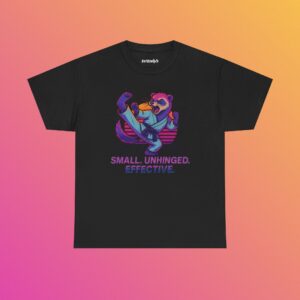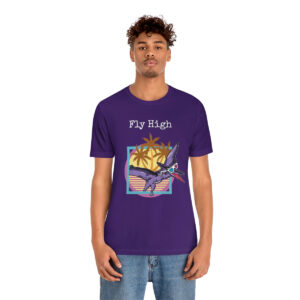
Picture it: you are cruising down a digital highway while a saxophone blasts in the background and a giant metallic triangle floats in the neon sky. If your brain just supplied an image of a ridiculously shiny robot riding a laser beam, you already understand the absolute majesty of 80s airbrush chrome art. Before computers did the heavy lifting, artists used literal spray guns to make everything look coated in liquid metal and bathed in hot pink light. It was a glorious decade where subtlety went straight out the window, replaced entirely by glowing grids and metallic logos that belonged on the side of a rad arcade cabinet.
You have probably seen this aesthetic slapped across modern synthwave playlists or your favorite retro video games, but the original stuff hits differently. These hyper-reflective masterpieces practically scream at you to put on aviator sunglasses while sitting indoors. Whether you are staring at a perfectly shaded metallic sphere or a palm tree glowing with unnatural neon energy, this ridiculously shiny art style is the ultimate cheat code for instant nostalgia.
You might think those incredibly shiny sci-fi movie logos were made with early computers, but they were actually blasted onto canvas by artists wielding literal paint guns. Back in the day, creators used compressed air to atomize liquid paint and spray it like pure magic. This heavy-duty hardware allowed them to blend neon colors flawlessly and create buttery reflections that look exactly like liquid cyborg metal. If you stare at that hyper-reflective metallic lettering long enough, you can almost hear a blazing synthesizer solo echoing through time. It takes serious skill to make flat paper look like a highly polished spaceship bumper.
When you explore this chrome-plated wonderland, you will notice a few totally tubular patterns popping up everywhere. This legendary style featured everything from floating neon geometric shapes to shiny metallic robots posing in front of sunset grids. Art nerds sometimes call this look Deco Realism, but you probably just know it as the ultimate background for your favorite vaporwave music playlist. Artists would spray flawless gradients of hot pink and electric blue right next to sharp chrome lightning bolts and digital palm trees. It is basically the visual equivalent of chugging a radical energy drink while playing arcade games at midnight.
You can still feel the heavy influence of this airbrushed magic in modern gamer culture and internet memes. Every time you see a fantasy title card dripping in liquid metal, you are looking at the direct descendant of those 1980s paint guns. Creating that perfect soft-focus glow required an incredibly steady hand and probably a massive amount of sticky hairspray. The next time you boot up a retro video game, take a moment to appreciate those shiny chrome logos. Those buttery smooth reflections are a permanent love letter to the most visually outrageous decade in human history.
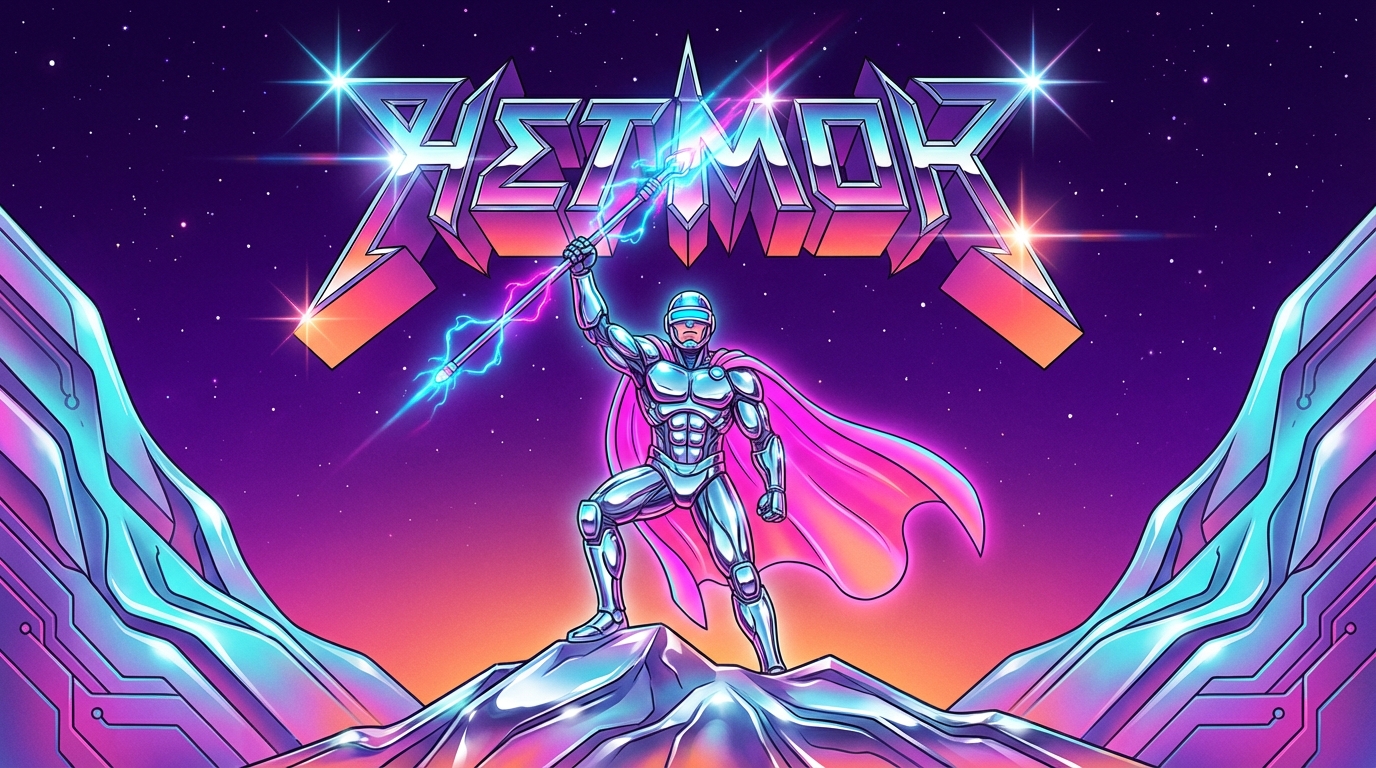
Picture yourself strolling through a retro video store and locking eyes with a VHS cover so aggressively shiny it practically burns your retinas. Back in the day, every epic space opera or muscle-bound barbarian adventure absolutely demanded a logo dipped in liquid chrome. Artists used literal airbrush guns to blast paint onto canvas, creating those insanely smooth reflections and hard-edged metallic shines that defined the era. You could not just have a regular title font when dealing with laser-blasting cyborgs or sword-wielding warriors. It had to look like it was forged in a neon-lit cybernetic factory and polished to absolute perfection.
These hyper-reflective masterpieces did not just sit there on the page. They screamed at you with wild neon gradients and electric blue lightning bolts. You can still see this totally rad aesthetic living on today in your favorite synthwave album covers and retro video games. The artists of the decade mastered this style to make everything look incredibly futuristic, blending soft glowing backgrounds with razor-sharp lettering. If a movie poster did not feature a title that looked like a shiny car bumper reflecting a pink sunset, was it even worth your time? Grab your aviator sunglasses and crank up the synthesizer music, because this blinding chrome look is the ultimate love letter to heavy metal fantasy.
You know exactly what classic 1980s sci-fi and fantasy look like because of those iconic, over-the-top shiny metallic titles. Artists back then used a magical little spray gun called an airbrush to create the smoothest color blends and hardest metallic reflections imaginable. This hyper-reflective style got fancy names like Deco Realism, but to us, it just looks like pure, unadulterated radness. Every movie poster and book cover suddenly featured chrome-plated logos that looked slick enough to slide right off the page. It was an era where everything had to shine like a freshly polished spaceship, and subtlety was basically illegal.
Once they mastered that glossy chrome look, artists immediately started painting the most ridiculously shiny, sexy robots they could dream up. Legendary illustrators became absolute icons by creating metallic androids that somehow looked both futuristic and totally glamorous. You probably recognize these cybernetic beauties from vintage album covers, looking like they just stepped out of a high-fashion robot runway show. These glossy machines completely took over pop culture and became the ultimate symbol of a future we all secretly wanted to live in. It is honestly hilarious to look back and realize how obsessed everyone was with making robots look ready for a wild night at the disco.
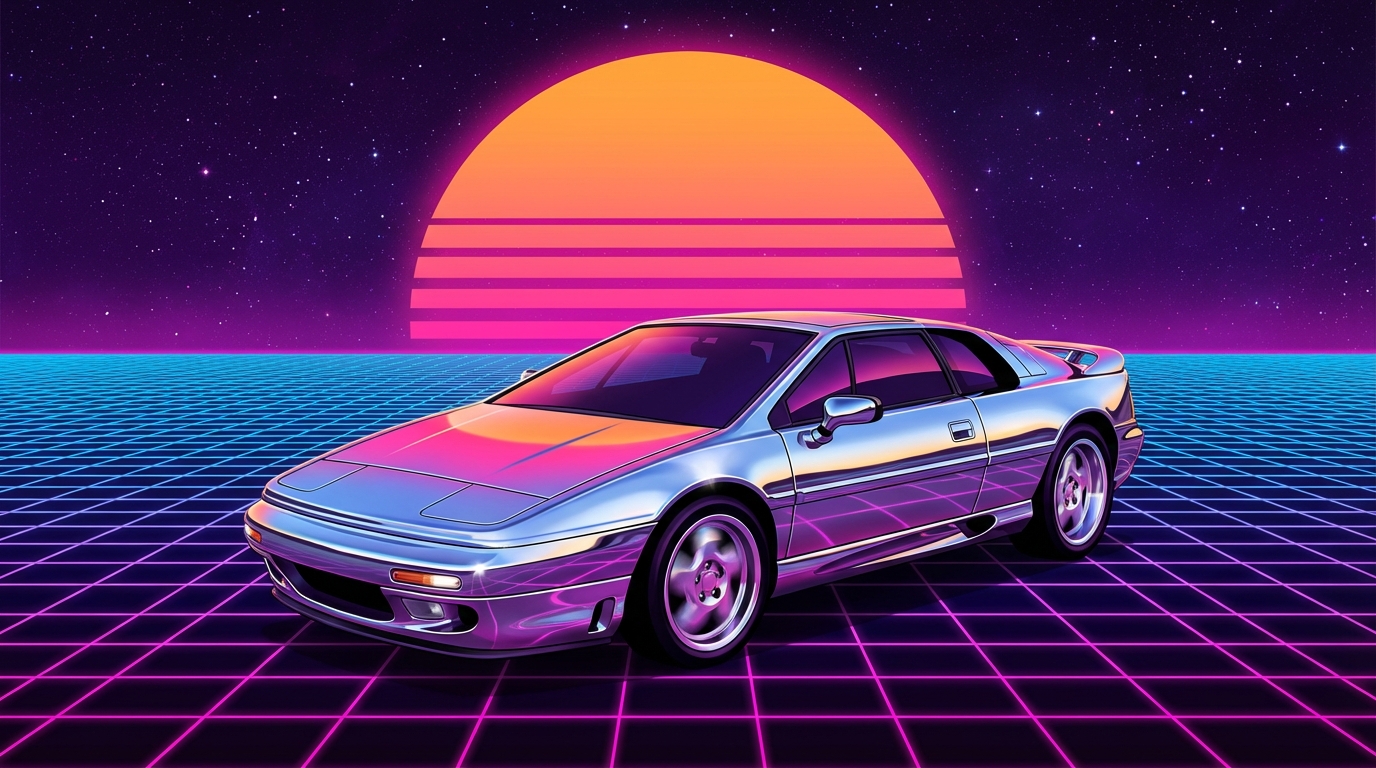
Of course, you cannot have a proper retro masterpiece without slapping your shiny subjects onto an endless neon laser grid. If you have ever played a classic arcade video game or listened to a modern synthwave mix, you have definitely stared down that glowing purple horizon. Artists loved to throw in random floating triangles, giant chrome spheres, and maybe an electric blue palm tree just for good measure. The whole aesthetic feels like you are driving a digital sports car straight into a vaporwave meme. Fasten your seatbelt and enjoy the ride, because this gloriously cheesy art style is permanently burned into our collective gaming memories.
It is time to finally power down the arcade cabinet and step away from the glowing neon grid. You just took a wild ride through a decade where every sci-fi movie and fantasy novel looked like it was forged from liquid metal. Those iconic shiny metallic letters did not just sell movie tickets. They promised you a totally radical future filled with sexy robots and flying cars. Artists used trusty airbrush guns to blend colors perfectly and create reflections so sharp you could practically see your own face in them. Even though that specific future never actually arrived, the hyper-reflective chrome aesthetic permanently burned itself into our collective memory.
Fast forward to today, and you will notice this glossy style completely ruling modern internet meme culture. Whenever you scroll through social media, you are bound to spot those familiar chrome-plated logos slapped onto hilarious retro edits. Synthwave music producers and gamers constantly borrow these soft-focus glows and geometric shapes to give their content an instant dose of cool. It turns out that putting a ridiculously shiny metal font over a background of pink palm trees makes literally any joke ten times funnier. You simply cannot escape the sheer power of a neon triangle paired with a cheesy catchphrase.
The magic of 80s airbrush art survives because it perfectly captures a hilariously optimistic view of tomorrow. You do not need a time machine to appreciate the ridiculous charm of lightning bolts bouncing off a perfectly polished metallic sphere. This sharp art style gives you a free pass to embrace pure nostalgia without taking yourself too seriously. Keep your aviator sunglasses handy, because the internet will undoubtedly keep reviving this glorious chrome fantasy for years to come. Stay shiny, keep chasing that neon horizon, and never underestimate the power of a good metallic gradient.
If you want the visual equivalent of a blazing saxophone solo, you are looking at 80s airbrush chrome art. Artists used literal spray guns to blast paint onto canvas, making everything look like liquid metal bathed in neon lights. It is the ultimate cheat code for instant retro nostalgia.
Nope, they did not use computers at all. Back in the day, legendary artists wielded literal paint guns powered by compressed air to spray pure magic onto flat paper. They blended neon colors by hand to give you those buttery reflections that look like a highly polished spaceship bumper.
The 1980s were a glorious time where subtlety was totally illegal. Glowing grids and hot pink neon lights were the absolute peak of futuristic sci-fi aesthetics. When you combine those bright colors with liquid chrome, your brain instantly transports you straight into a rad arcade cabinet.
You will see this ridiculously shiny style slapped across modern synthwave playlists, retro video games, and indie movie posters. It is the go-to look whenever you need to tell people that things are about to get totally tubular. Just throw on your aviator sunglasses and browse your favorite retro music channel.
It took serious skill and a whole lot of compressed air. Artists atomized liquid paint to create flawless color blends and perfect shading tricks. They basically hacked your eyeballs into believing a flat piece of paper was a shiny robot riding a laser beam.
You definitely do not need heavy-duty hardware to create your own glowing metallic spheres today. Modern digital tools and software let you simulate that buttery airbrush effect without covering your living room in hot pink paint. However, staring at the original handmade masterpieces will always hit differently.
Gamers love a good nostalgic trip, and nothing screams classic gaming like a metallic logo floating in a neon sky. This aesthetic reminds you of the golden age of arcades and epic boss fights. It is basically a visual cheat code that makes any modern game feel like a beloved retro classic.