You’re wandering down the cereal aisle under flickering fluorescent lights when a synth-heavy, instrumental version of a pop hit starts tickling your brain. This isn’t just random noise; it’s a trip through grocery store muzak history, a weirdly wonderful world where science meets the shopping cart. Long before it became a meme for “elevator vibes,” this background soundtrack was engineered to keep you moving and grooving through the aisles.
It all started with a retired general who decided that electricity and smooth tunes were the ultimate power couple for your local bakery. Back in the day, these tracks used a “Stimulus Progression” tactic to hack your energy levels like a real-life video game power-up. Whether you’re a fan of neon aesthetics or just love a good lo-fi beat, understanding how these jams evolved from industrial tools to retail vibes is a total mood.
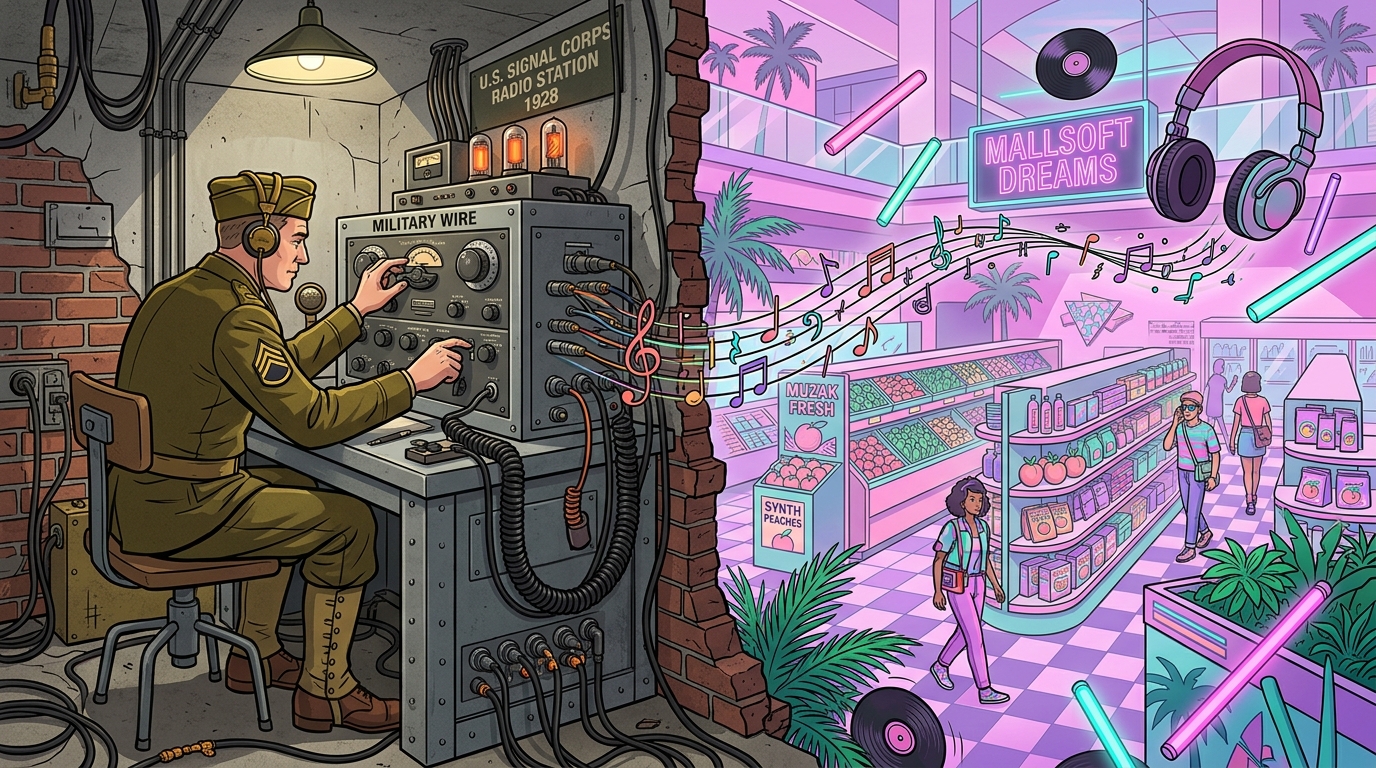
Major General George O. Squier was a high ranking Army officer who decided that the world needed a soundtrack for its daily chores. In 1934, he used his military signal expertise to figure out how to send music through electrical wires instead of over the airwaves. He loved the brand name Kodak so much that he mashed it together with the word music to create the name Muzak. This was the birth of the corporate calm aesthetic that would eventually define every grocery run you have ever been on. You can thank this general for the transition from the battlefield to the bakery aisle.
Back in the day, this technology was like the proto-version of your favorite lo-fi chill beats stream. Instead of fancy streaming apps, stores used a literal wired delivery system to pump instrumental vibes directly into the building. It was the ultimate retail hack designed to keep the atmosphere steady and the shoppers moving through the aisles. This created a specific kind of sonic wallpaper that felt both futuristic and strangely comforting. You were basically walking through a live action commercial every time you went to buy a loaf of bread.
These early background beats were the foundation for the mallsoft and vaporwave vibes that gamers and synthwave fans obsess over today. The goal was to create a controlled environment where the music was felt rather than heard, acting as an invisible hand guiding your shopping cart. It was all about that smooth, non-threatening energy that makes you want to linger near the frozen peas just a little longer. This 1930s tech set the stage for decades of neon-soaked nostalgia and the specific brand of retail zen we still recognize. It was the original way to turn a boring chore into a low-stakes cinematic experience.
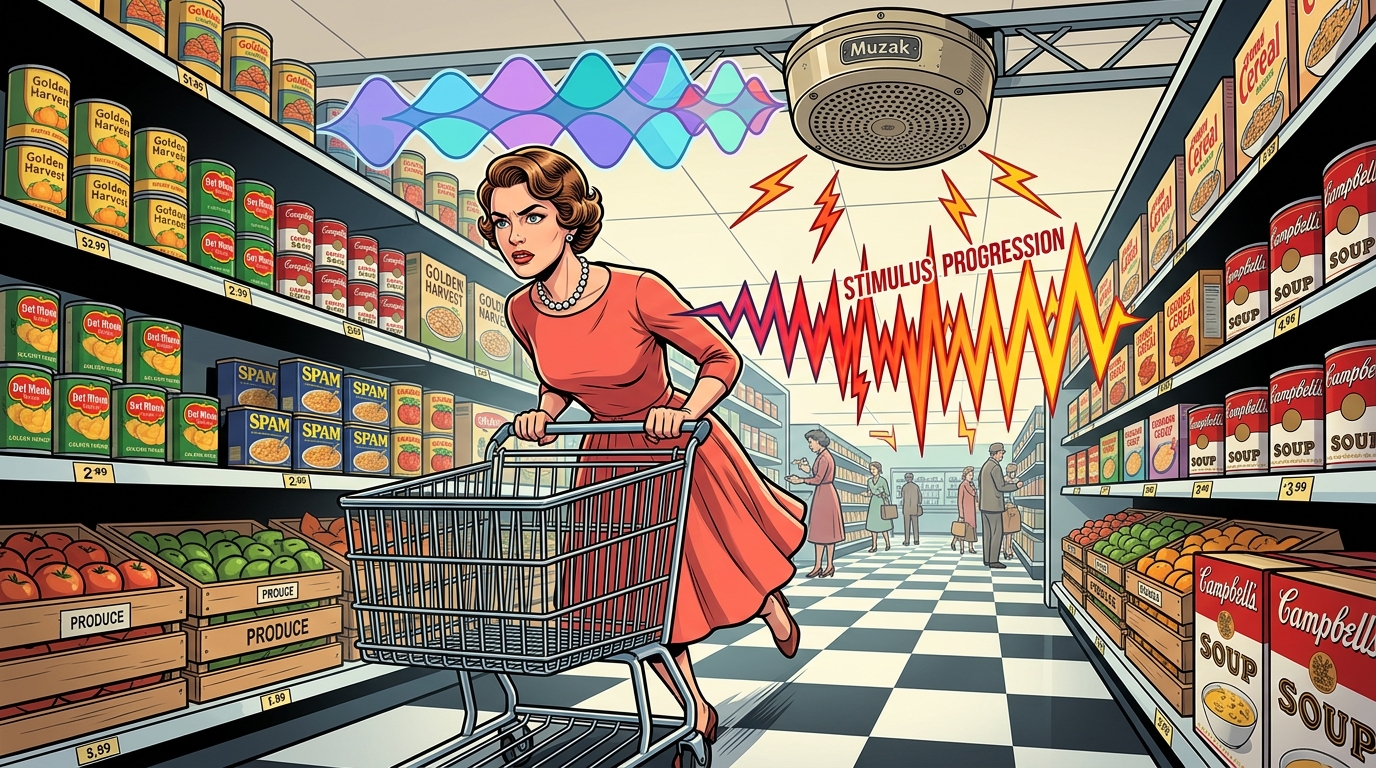
Imagine you are drifting through the frozen food aisle, surrounded by neon signs and the gentle hum of industrial freezers, feeling like a character in a lo-fi hip hop radio stream. You might think that smooth instrumental cover of a pop hit is just there to fill the silence, but you are actually being subjected to a high-tech psychological workout. Back in the 1940s, the masters of background audio developed a technique called Stimulus Progression to hack your brain. They organized music into fifteen minute blocks that slowly ramped up in speed and intensity to keep you from feeling that mid-afternoon slump. It was basically a corporate power-up designed to make sure you never felt too tired to toss another bag of pizza rolls into your cart.
The science behind this grocery store sorcery is surprisingly intense for something that sounds like an elevator ride to a synthwave heaven. By carefully timing these tempo shifts, stores could secretly control the energy of the room without you ever noticing the transition. When the music gets a little peppier, your heart rate follows suit, and suddenly you are zipping through the produce section like a speedrunner in a retro video game. This corporate calm was engineered to fight off fatigue, ensuring that the mallsoft vibes stayed high while your willpower stayed low. It is a strange piece of history where military signal technology met the world of retail to create the ultimate shopping soundtrack.
Next time you find yourself vibing to a strangely upbeat flute version of an 80s classic, remember that you are part of a decades-long experiment in productivity. These playlists were the original life hacks, crafted by experts who knew exactly how to keep the vibes immaculate and the registers ringing. It is a fascinating look at how the aesthetic of “boring” music was actually a finely tuned machine for human optimization. Whether you call it muzak or just a nostalgic trip through a commercial dreamscape, those instrumental jams were the secret sauce of the supermarket experience. You are not just buying milk, you are participating in a carefully choreographed dance of stimulus and response.
The grocery store vibe you know and love started as a high tech experiment in corporate calm. Back in the day, stores used something called stimulus progression to keep people moving, but by the eighties, they realized that slowing things down was the real secret sauce. When you hear a chill, slow-tempo tracks while browsing the cereal aisle, your brain actually syncs up with the rhythm and makes you walk slower. This isn’t just a coincidence, it is a calculated move to keep you floating through the neon lit aisles for just a few more minutes. Before you know it, that relaxing atmosphere has convinced you that you definitely need three different types of artisanal cheese.
The transition from elevator music covers to original pop hits changed the game for your shopping experience. In the eighties, retailers ditched the boring instrumental versions of songs for the real deal, leaning into the power of nostalgia to keep your mood high. This shift created a specific kind of commercial purgatory that feels like living inside a vaporwave aesthetic or a lo-fi hip hop stream. Hearing a muffled, reverb heavy version of a classic hit creates a sense of comfort that makes the fluorescent lights feel a little warmer. It turns a boring chore into a retro trip through time where the only thing that matters is the beat and the bargains.
Retailers have mastered the art of using these tracks to hack your shopping habits without you ever noticing. By filling the air with familiar melodies at a relaxed tempo, they create a bubble of safety that encourages impulse buys. You might find yourself vibing to a synth heavy ballad while staring at a wall of soda, feeling like the protagonist of a vintage mall movie. This auditory wallpaper is designed to be just catchy enough to keep you happy but quiet enough to fade into the background of your subconscious. It is the ultimate retail magic trick, turning a simple grocery run into a slow motion journey through a corporate dreamscape.
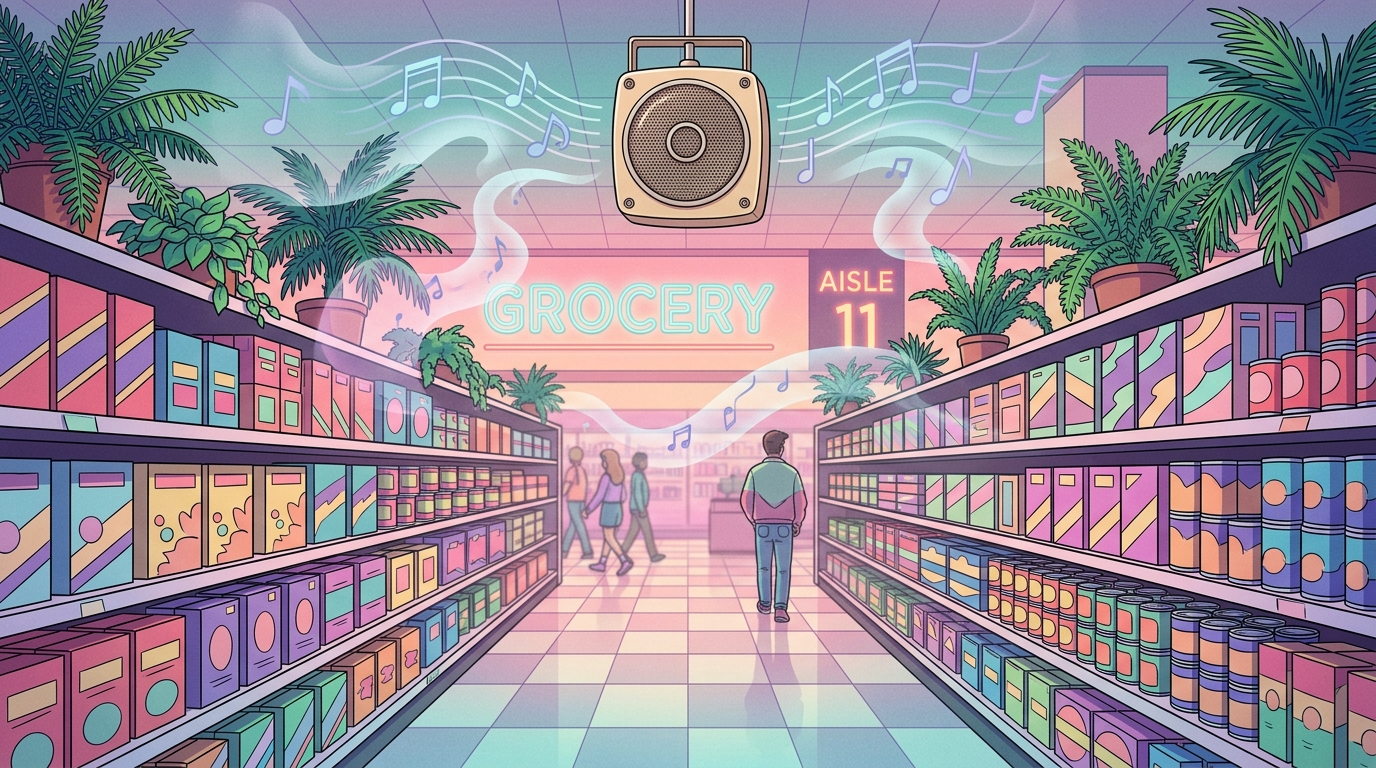
Imagine you are wandering through a digital dreamscape where the fluorescent lights never flicker and the produce is always perfectly misted. This is the world of mallsoft, a vaporwave subculture that takes those dusty supermarket cassette tapes and turns them into a vibe-heavy experience for modern listeners. By adding heavy reverb and muffled filters to old school corporate tunes, creators make you feel like you are chilling in a deserted 1980s food court at three in the morning. It is a strange, beautiful brand of nostalgia that celebrates the very background noise our parents tried their best to ignore. For gamers and synthwave fans, these tracks provide the ultimate lo-fi soundtrack for zoning out or leveling up in a neon-soaked universe.
The genius of this internet subculture lies in how it transforms boring retail psychology into a humorous art form. Back in the day, grocery stores used specific musical tempos to trick your brain into buying more cereal, but now you can reclaim those sounds for your own relaxation. There is something oddly comforting about the muffled sound of an instrumental pop cover playing over an imaginary intercom system. It captures a specific feeling of corporate calm that feels both eerie and cozy at the same time. You do not need a time machine to visit the local mart of 1985 when you have a playlist that sounds like a haunted department store.
This obsession with the grocery store aesthetic proves that even the most generic background music can have a second life as a cult classic. While the original goal of these tracks was to be invisible, the internet has put them front and center with vibrant purple and teal visuals. You can find hours of footage dedicated to the art of the dead mall, featuring nothing but slow-motion shots of empty aisles and echoing melodies. It is a playful nod to a simpler era of shopping where the biggest stress was choosing which color of soda to buy. Grab your favorite oversized shades and lean into the irony of loving the music that was never meant to be heard.
The journey from military wires to the frozen food section proves that the music in the cereal aisle was never just random noise. You are essentially walking through a living time capsule of corporate calm every time you hunt for your favorite snacks. What started as a high tech way to keep soldiers and factory workers focused has morphed into a synth heavy legacy that defines the retro commercial experience. It is a strange, beautiful world where the gentle hum of an instrumental cover feels like a warm hug from a neon lit past. You should take a second to appreciate that these melodies were scientifically engineered to make your shopping trip feel like a slow motion montage.
Modern retail media might be moving toward AI driven playlists, but the soul of the supermarket remains firmly planted in that mallsoft aesthetic music. Think of these tunes as the ultimate lo-fi soundtrack for your life, providing a vibe that is both incredibly bland and weirdly comforting. You are participating in a decades long experiment in psychological programming every time you vibe to a smooth jazz version of a pop hit. It is time to fully embrace the kitsch and lean into the aesthetic of the fluorescent lit aisles. Whether you are a fan of vaporwave or just someone who enjoys a chill atmosphere, these background tracks are the unsung heroes of your daily routine.
Next time you find yourself staring at a wall of soda cans, listen closely to the muffled melodies playing overhead. You are not just hearing filler music, you are experiencing a sophisticated piece of history that survived the transition from the battlefield to the bakery. This corporate serenity is a gift to your ears, offering a moment of zen amidst the chaos of a busy Saturday morning. Grab your cart and let the soothing sounds of the synthesized strings wash over you like a digital sunset. It is a strange, nostalgic trip that turns a simple errand into a lo-fi masterpiece of modern living.
Major General George O. Squier is the mastermind who used his military signal expertise to invent the system in 1934. He loved the brand Kodak so much that he mashed it with the word music to name his new creation. He basically transitioned from the battlefield to the bakery aisle to bring you those smooth retail vibes.
It was a total branding mashup created by General Squier because he was obsessed with the name Kodak. He combined the catchy sound of that camera brand with the word music to create the ultimate corporate aesthetic. It is the original brand name for that sonic wallpaper you hear while hunting for snacks.
Early Muzak used a tactic called Stimulus Progression to act like a real life video game power up for your brain. The music was engineered in fifteen minute segments to slowly increase in intensity and keep your energy levels high. It was a literal retail hack designed to keep you grooving through the aisles without getting tired.
Before streaming apps were a thing, stores used a literal wired delivery system to pump tunes directly through electrical lines. This tech was like a proto version of a lo-fi chill beats stream that used wires instead of radio waves. It turned every local grocery store into a high tech hub of instrumental pop hits.
Absolutely, it is the OG chill aesthetic that defined the corporate calm vibe long before YouTube streams existed. These instrumental versions of pop hits were designed to be steady and unobtrusive, creating a specific kind of sonic wallpaper. It is the ultimate background soundtrack for anyone who loves neon aesthetics and steady retail vibes.
It became a meme because of those iconic elevator vibes and the weirdly wonderful feeling of hearing synth heavy versions of famous songs. This aesthetic eventually evolved into a total mood that captures the nostalgia of the 80s cereal mascots and the weirdness of shopping under fluorescent lights. It is basically the soundtrack to your life’s most mundane side quests.