Is a music license worth it, or are you about to spend your pixels on a fancy legal side quest? If your video, podcast, ad, game, livestream, or business makes money, licensed music can protect your content from claims, takedowns, and the dreaded “your audio has been muted” boss battle. It helps keep your monetization and distribution rights glowing safely under the neon lights.
You may not need a premium license if free, platform-provided, or genuinely public-domain music fits the job. The answer depends on who you are, where the music will appear, and whether you need permission for both the song and the recording, because copyright loves a surprise plot twist. Choose wisely, and your soundtrack can stay epic instead of turning into an 80s-style error screen.
A commercial song usually includes two separate rights: the composition, which covers the melody and lyrics, and the master, which covers the specific recording you hear. To place that song under your video, you generally need synchronization permission for the composition, often called a sync license. You may also need master-use permission for the actual recording, unless you create or commission a new version. Owning the composition rights does not unlock the original audio, just like having the cheat code does not automatically give you the arcade cabinet. That split is why a music license can be worth it for monetized videos, ads, films, podcasts, and other public projects where a copyright claim could send your neon masterpiece into the shadow realm.
The two permissions may belong to different people or organizations, so clearing only one leaves your project with an incomplete legal power-up. For example, you might secure approval to sync a song’s lyrics and melody, then still need permission to use the famous studio recording with its iconic guitar riff or synthwave sparkle. A cover or newly recorded version may avoid the original master right, but it can still require permission for the underlying composition. Before publishing, confirm that your license covers the platform, territory, project type, length of use, and monetization plans. The paperwork may feel less exciting than pressing play, but it can help protect your revenue, distribution, and professional credibility when the copyright boss battle begins.
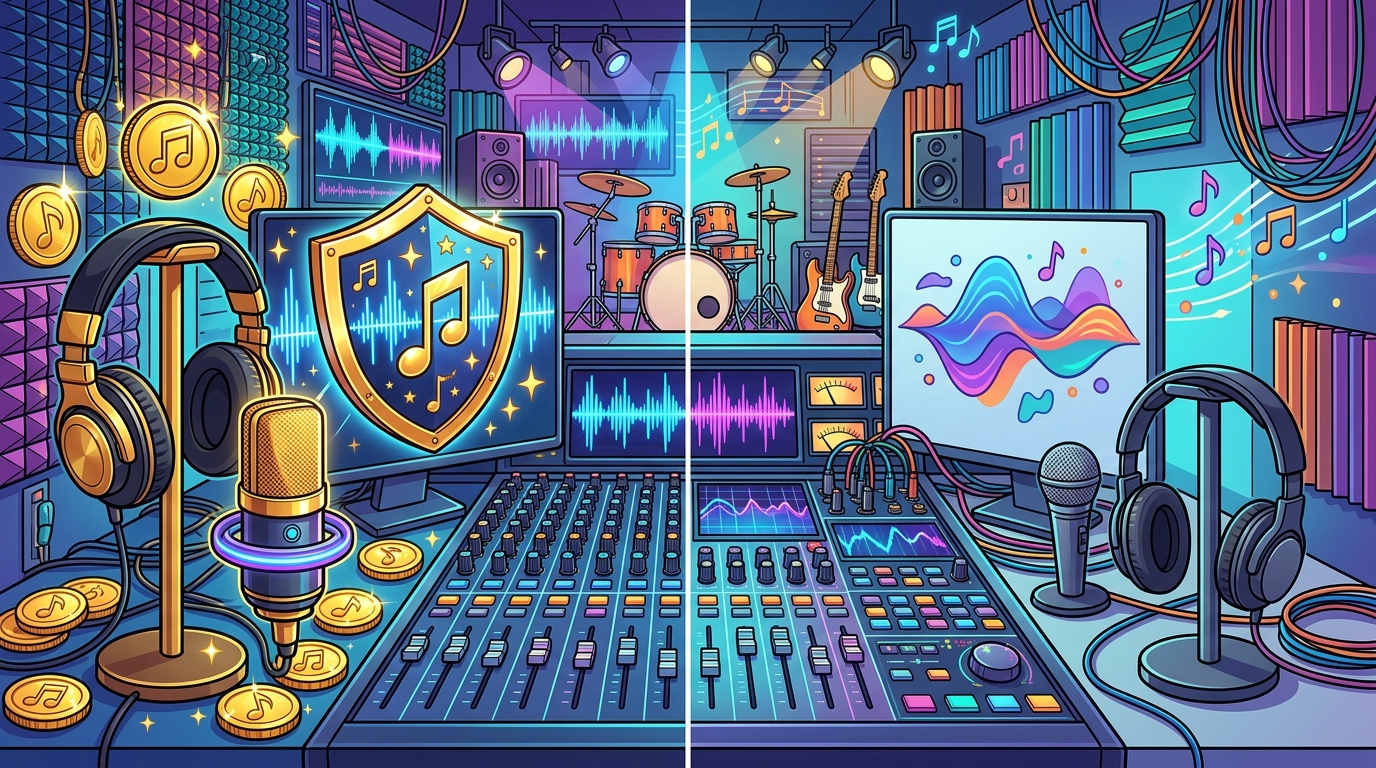
Free music can be perfect for a quick personal video, but “free” often comes with more plot twists than an 80s arcade game. Platform-provided tracks may be cleared for videos on that platform, yet they can have limits on ads, podcasts, downloads, or use elsewhere. Creative Commons music may cost nothing, but each track can require attribution, ban commercial use, or restrict edits and remixing. Royalty-free catalogs usually offer better sound and clearer terms, but “royalty-free” does not always mean free, and you still need to check the license.
A paid license generally gives you clearer permission for monetized videos, advertising, films, games, livestreams, or branded projects. It can explain where you may use the track, how long the rights last, whether you can edit it, and whether monetization is allowed. Public-domain music avoids copyright on the underlying composition, but a newer recording of that music may still have its own rights, so the boss battle is not automatically over. Paying can also bring polished production, consistent quality, and fewer surprises when your project goes neon and reaches a real audience.
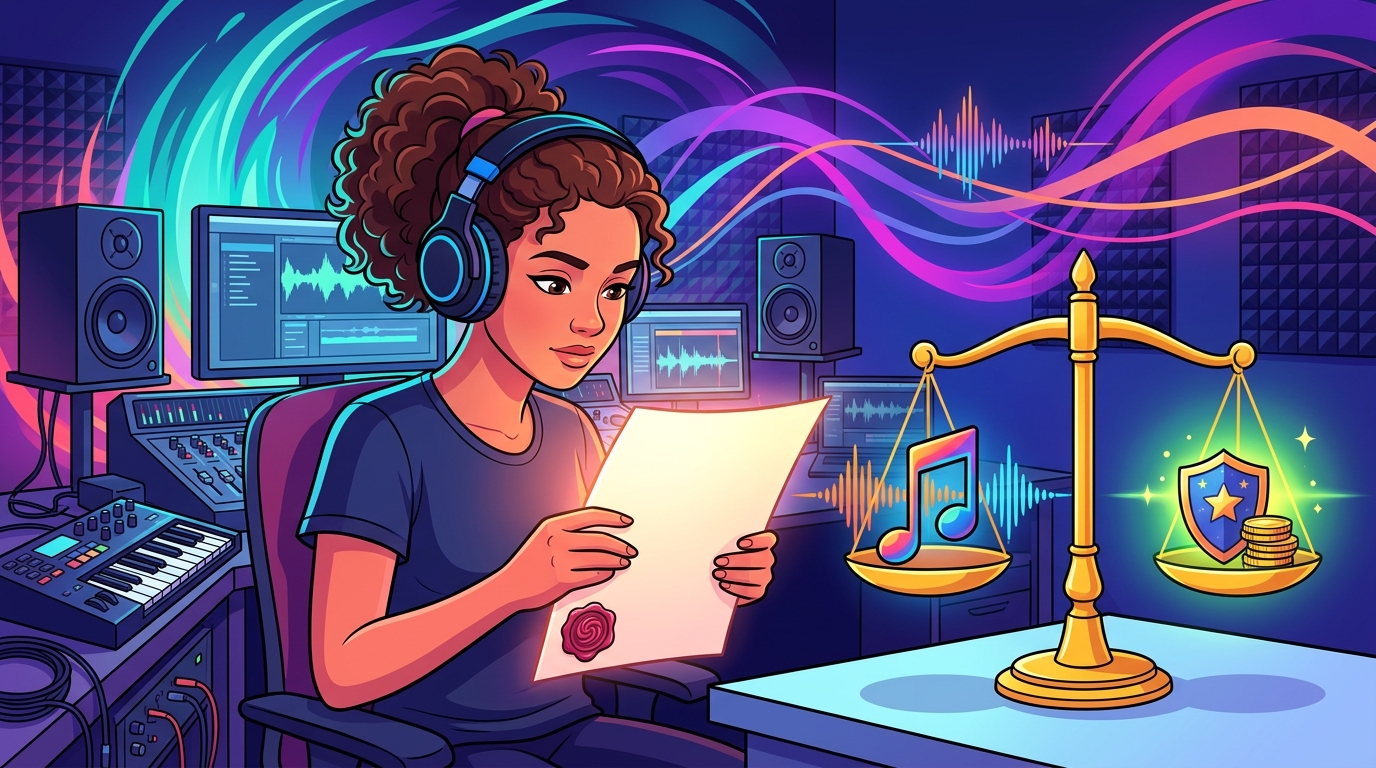
The answer to “is a music license worth it” depends on the cost of a mistake, not just the price tag. If a claim could remove ad revenue, mute your video, delay a launch, or make a client question your project’s credibility, a properly matched paid license is often the safer power-up. Free or platform music can be the smart choice when your use is limited and the terms clearly cover it, while premium music makes more sense for commercial work that needs lasting rights. Read the fine print before you press publish, because discovering that “free” has a surprise copyright boss waiting at the final level is rarely fun.
A music license is usually worth it when your content earns money, promotes a product, or represents a client. That includes monetized videos, ads, podcasts, films, games, livestreams, and business content, where one copyright claim can turn your revenue stream into a sad 8-bit coin sound. For client work, a clear license helps you deliver with confidence instead of hoping the track survives its trip through the internet. It also makes your project feel more polished, like you planned the neon grid instead of tripping into it.
The real value goes beyond permission to press play. A properly matched license can help protect distribution, reduce takedown risks, and preserve monetization when your video, campaign, or stream reaches a larger audience. It gives you a record of what you can use, where you can use it, and for how long, which is far better than searching old inboxes like a cyberpunk detective. In other words, licensing can keep your soundtrack from becoming the villain in your project’s final boss battle.
Still, paying for a premium license is not always necessary. Free music, platform-provided tracks, or genuinely public-domain works may be enough for a small personal project or low-risk test, as long as their rules fit your use. Check whether the music covers commercial use, client work, paid ads, livestreams, edits, and future distribution before you hit publish. When the content matters to your income or reputation, a music license is worth considering because legal peace of mind and professional quality are usually cheaper than a last-minute copyright crisis.
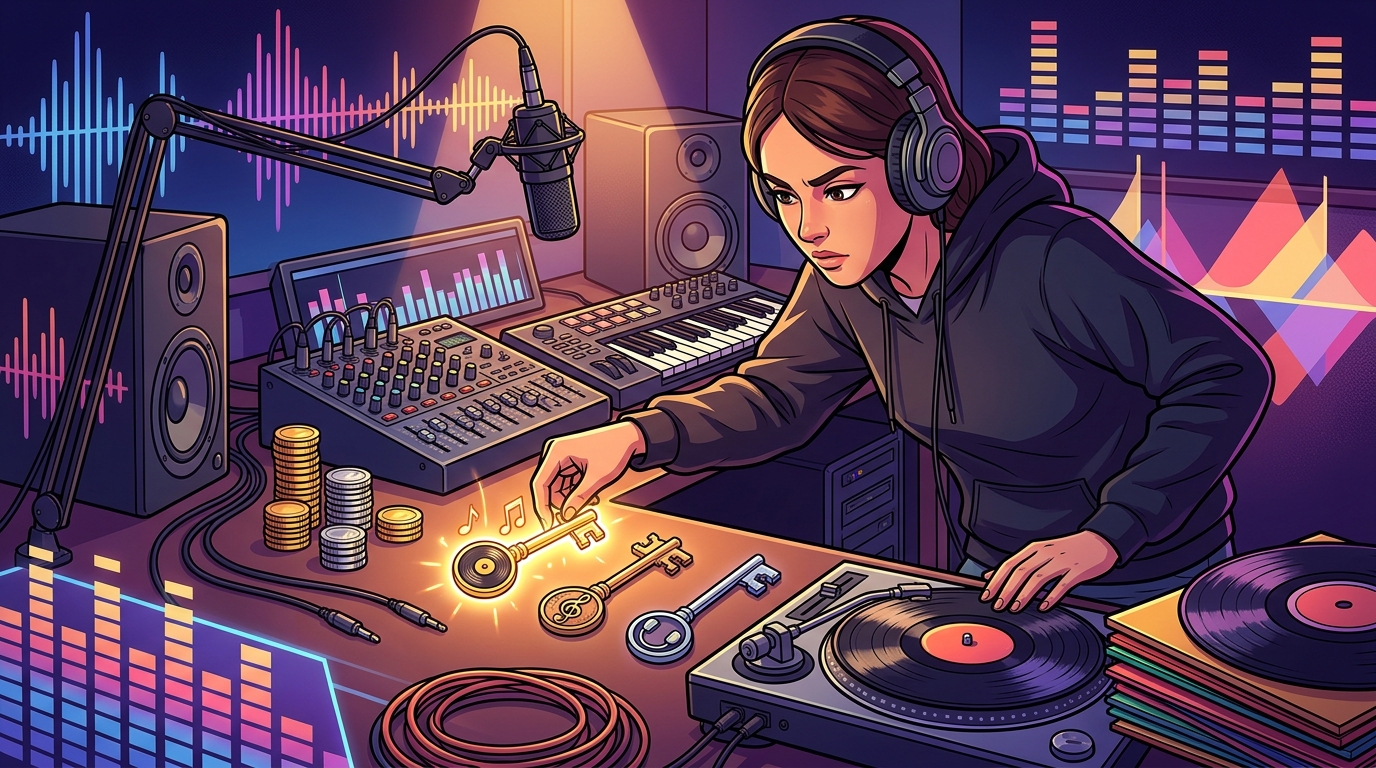
A music license is usually worth considering when your video, podcast, game, livestream, ad, or business content earns money or represents your brand. It can help protect monetization, reduce takedown surprises, and make your project look more professional than a random “free MP3” from the internet’s basement arcade. Before buying, check whether the license covers the platform, audience size, territory, duration, paid advertising, and commercial use. Also confirm whether you are licensing both the song and the specific recording, since those can involve separate rights.
Use this quick checklist before you hit the purchase button:
Think of licensing like choosing a vehicle for your mission. If you are making one small personal video, a basic license may be the bicycle with a cool soundtrack, while a worldwide ad campaign needs the neon sports car package with serious paperwork under the hood. Paying for more rights than you need wastes money, but choosing too little can block ads, trigger claims, or force an awkward copyright boss battle later. Compare the license terms with your actual project, then choose the smallest option that clearly covers how, where, and how long you will use the music.
A music license is usually worth considering when your content earns money, promotes a business, or needs to stay online for the long haul. It gives you clearer rights, helps protect monetization, and makes your project look more professional than a copyright claim flashing across the screen like an angry arcade boss. For films, games, podcasts, ads, livestreams, and branded videos, paid licensing is often the better power-up because it supports commercial use and reduces legal surprises. You are not just buying a song, you are buying confidence that your neon masterpiece can keep running.
Free or platform-provided music can still be a smart choice for personal videos, experiments, and low-risk projects, especially when the usage terms fit your plans. Just check those terms carefully, because “free” does not always mean “use it everywhere forever,” and copyright rules love hiding bonus levels. If you are building a serious content library or launching commercial work, investing in the right license can protect your future plans and strengthen your project’s credibility. Ready to give your production an authentic audio upgrade? Explore custom retro soundtrack services for games and films to help your next project sound like the main character.