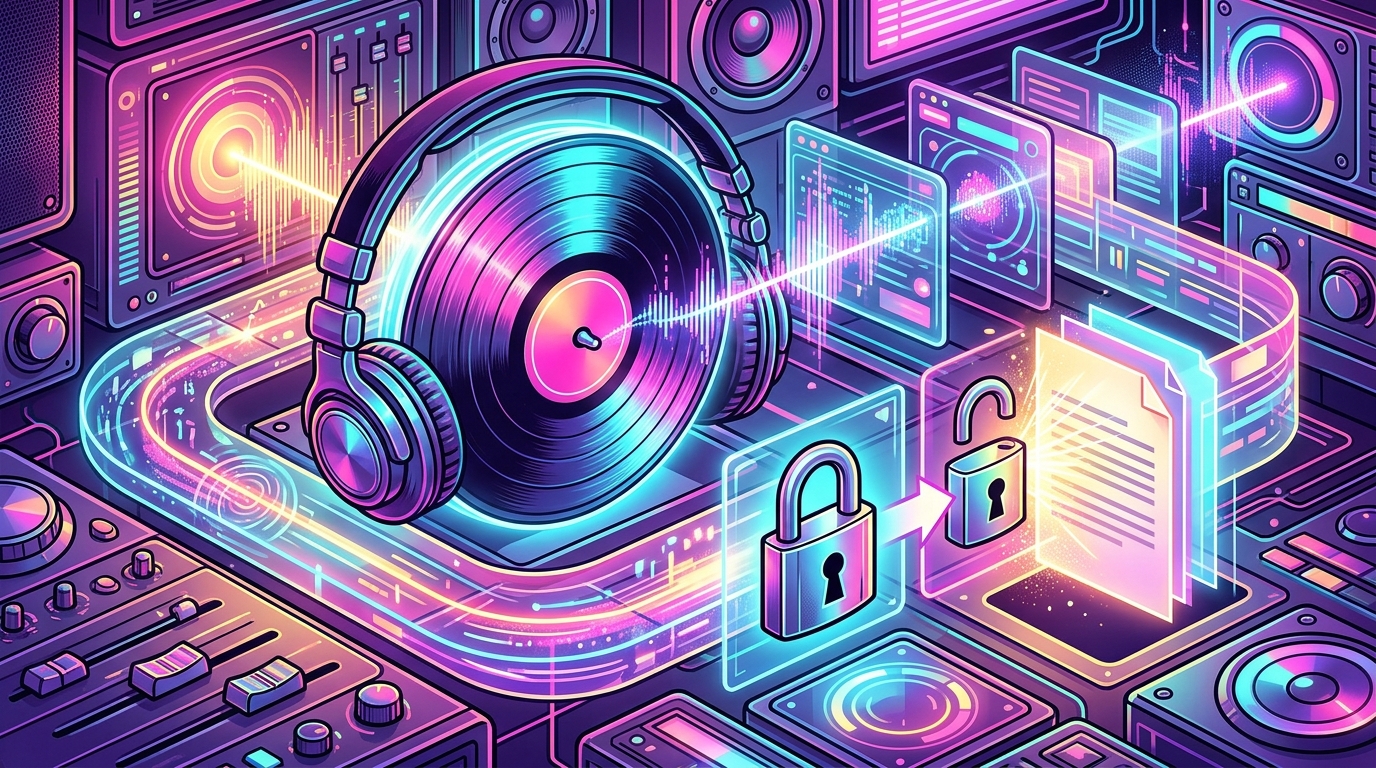
That perfect song can turn a movie scene into an instant ’80s montage or trigger a copyright boss battle. The soundtrack licensing process starts with one key fact: most songs involve two separate copyrights, the composition and the specific recording. To use an existing track with visuals, you usually need permission for both, not just a thumbs-up from whoever owns the album.
From films and ads to games, trailers, and online videos, each use can come with different fees, terms, and approval steps. You’ll need to identify the rights holders, request the right licenses, and confirm where, how long, and how widely the music can appear. Think of it as leveling up your soundtrack without accidentally summoning the legal final boss.
The soundtrack licensing process begins when you find the track that makes your scene glow like an ’80s arcade marquee. First, identify how you plan to use it, such as in a film, trailer, ad, game, podcast, or online video. Then note the territory, audience, and length of use. An existing song usually involves two separate rights: permission for the musical work and permission for the specific recording. Finding the perfect beat is only level one, not the final boss.
Next, request permission with clear project details so the rights holders can review the use without needing a crystal ball. Include the track, where it will appear, the media and platforms, the release territories, the license term, and whether you need edits, loops, or a shorter cut. The composition typically needs a synchronization license, while the recorded performance may need a master-use license. Once the right parties review the request, you can receive a quote and move on to the terms screen, minus the ominous flashing “game over” message.
Before you press publish, review the approved usage terms and confirm that they match your project. Check the fee, payment schedule, credit requirements, allowed edits, platforms, territories, expiration date, and any limits on paid promotion or soundtrack album releases. Approval should arrive in writing, with the required licenses or agreements completed before the music is used publicly. With those permissions in place, your path from “this song is perfect” to “yes, you can legally use it” is officially complete.
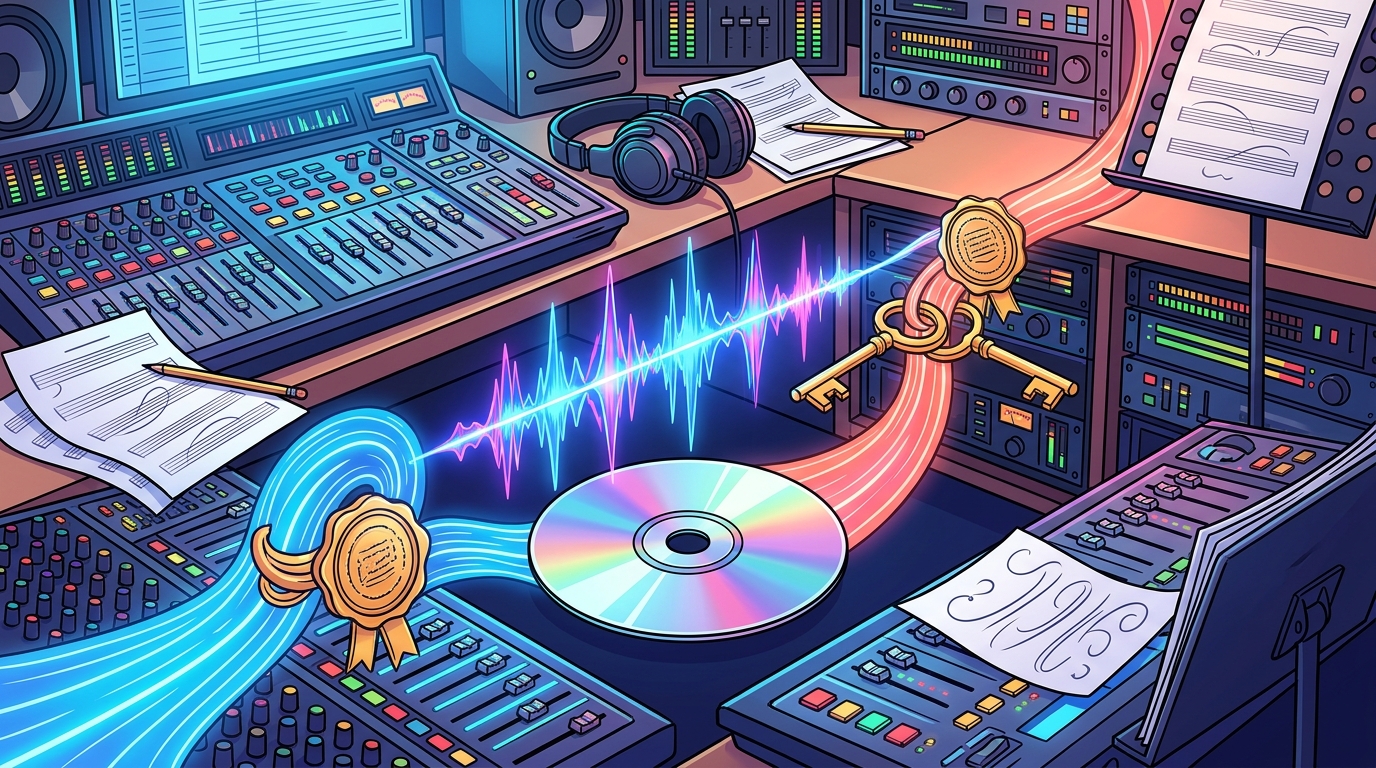
When you choose an existing song for your film, ad, game, or trailer, you are usually clearing two separate copyrights. The first is the musical composition, meaning the melody, lyrics, and written song. It is typically handled through a synchronization license. The second is the specific sound recording you want to use, which requires a master-use license from the recording’s owner. Think of it as needing two keys to unlock the same neon arcade cabinet, because one permission alone usually will not start the game.
Your licensing process should identify both rights holders before you request a quote. Be ready to share where the track will appear, how long it will be used, which countries are included, and whether it will run in theaters, on television, online, or across social platforms. The quote and final agreement should spell out the fee, term, territory, media, edits, and restrictions, so there are no surprise boss battles after launch. For an international release, plan on a territory-by-territory review because music rights and royalty rules can vary by country.
A remake of the song may avoid the original master recording, but you will still need permission for the composition through a synchronization license. Original music can follow a different route, with your agreement covering who owns the finished track and what rights you receive for the project. Once the track, use, and rights holders are confirmed, you can request a quote and move toward written approval before the music hits your timeline. That paperwork is the final checkpoint before your soundtrack goes full synthwave montage.
When requesting sync and master quotes, give the rights holder a clear snapshot of your project instead of sending a mysterious “How much for this song?” message into the neon void. Include the project type, such as a film, ad, game, trailer, online video, or soundtrack album, along with the media where it will appear. Share the territory, license duration, target audience, exact placement, and campaign length, such as a 30-second ad running in the United States for six months. The more complete your brief, the less likely you are to unlock the dreaded final-boss email: “Can you provide more details?”
Expect the quote to separate the two key permissions involved in using an existing recording. The publisher or songwriter representative typically quotes the synchronization license for the musical work, while the label, artist, or recording owner quotes the master license for the specific recording. Those prices may differ, and you usually need approval for both before the track can legally appear with your visuals. Rights holders, publishers, labels, or licensing platforms may also ask about edits, lyrics, brand category, exclusivity, and whether the music will be used in paid media. Think of it as choosing your character loadout, except the gear is paperwork and the boss battle is missing rights.
Once the details are confirmed, you should receive written usage terms that spell out the approved media, territory, duration, placement, audience, campaign length, fee, and restrictions. Ask whether the quote covers only the initial campaign or also extensions, new territories, cutdowns, social posts, trailers, or soundtrack distribution. International releases often need a territory-by-territory review because music rules and royalty systems can change from one country to the next. Review the sync and master terms together, then secure written permission before publishing, so your project can roll credits without a surprise copyright jump scare.
Before signing, check exactly what your soundtrack license lets you use and where. Confirm the media formats, such as film, TV, games, trailers, social videos, or soundtrack albums, along with the geographic coverage and term length. Review whether the license is exclusive or nonexclusive, and ask who controls both the song and the specific recording, since those can be separate rights. A track cleared for a U.S. web video may not automatically unlock a worldwide game release, so do not let the legal boss battle surprise you after launch.
Read the fine print for edits and promotional use, too. Make sure you know whether you can cut the track, loop it, fade it, remix it, use the lyrics on screen, or include short clips in trailers, teasers, and social posts. Check renewal rights before the initial term expires, including the renewal cost, notice deadline, and whether the rate can change. A low-cost license with tiny-print boss-fight energy may cover one version of your project while leaving your director’s cut, mobile trailer, or international release trapped in copyright limbo.
A clear review process makes it easier to request an accurate quote and avoid expensive reshoots. Ask for the permitted uses, territories, formats, term, edits, lyric rights, promotional clips, exclusivity, and renewal options in writing. Then compare those terms with your actual release plan. If the track needs separate permission for the composition and the sound recording, confirm that both are included before you press start. Once the rights match your project from neon teaser to final credits, you can move forward with fewer surprises and more synthwave victory music.
Before the track enters your final cut, sign the agreements that cover both the musical work and the specific recording. Review the approved use, media, term, territory, edit rights, and credit requirements so there are no surprise boss battles later. Pay the agreed license fees, then request the approved audio files, cue sheets, invoices, and other clearance documents in one tidy folder. This is the moment when your soundtrack licensing process moves from “cool demo” to “ready for launch.”
Your paperwork should also spell out whether the deal includes public performance, mechanical, or soundtrack album rights. A film or video license may let you sync a song to visuals without automatically covering a soundtrack CD, digital album, download, or other release. Ask what happens if the track plays in a trailer, game menu, stream, ad, or post-credit victory lap, and get any extra permission or fee in writing. A quick confirmation now can save you from discovering a rights gap after the internet has already turned your scene into a meme.
Keep a rights checklist that tracks each song, owner, license type, fee, territory, term, approved use, and supporting document. Before expanding from a local release to a global neon empire, revisit every limit because permissions may change by country, platform, or format. Confirm whether performance and mechanical royalties are handled through the relevant rights organizations or require separate action from you. With the checklist updated and the files safely backed up, you can request a quote or start your release without summoning the legal equivalent of a final-level boss.
A smooth soundtrack licensing process starts by identifying the two copyrights hiding inside most songs. You need permission for the musical work, including the melody and lyrics, and the specific sound recording you plan to use. That usually means securing a synchronization license for pairing the song with visuals and a master-use license for the existing recording. Think of it as needing two keys to unlock the same neon arcade cabinet, because clearing only one side can leave your project stuck on the loading screen.
Once the rights holders are identified, you can request a quote and review the proposed usage terms in writing. Expect the quote to reflect details such as your project type, audience, territory, license length, media, placement, song length, and whether the music appears in trailers, ads, games, or a soundtrack album. Your written permission should clearly state what you approved, where the music can appear, and any limits on edits, promotion, or future releases. Read those details before signing, since “worldwide forever” is a very different power-up from “online in one country for six months.”
Keep the final licenses, approvals, invoices, and usage notes together so your team can track what was cleared and avoid surprise boss battles later. If your project changes, such as a new platform, territory, cut, or campaign, check whether the existing permission still covers it before release. International projects may need a territory-by-territory review because copyright and royalty rules can vary by country. Prepare your project details, request a quote, and start the licensing conversation before the music hits the timeline.
The soundtrack licensing process is easier when you treat it like a two-player game: first choose the song, then clear every right needed to use it. An existing track usually has two separate copyrights, one for the composition and lyrics, and another for the specific recording, so you may need both a synchronization license and a master-use license. Share your project details, such as the film, game, ad, platform, audience, territory, length of use, and budget, so the rights holders can prepare accurate terms. Once approved, your agreement should spell out the fee, credit, media, duration, territories, edits, and limits, keeping surprise boss battles off the final invoice.
Before you hit publish, confirm that the permission covers every planned use, including trailers, social clips, streaming, and soundtrack albums. Rights can vary by country, so an international release may require a territory-by-territory review, especially if your project is headed beyond the neon arcade. Keep copies of the licenses and approvals, follow the payment and credit rules, and renew the agreement if the term expires. Ready to make your project sound like the final level of an ’80s classic? Explore retro soundtrack services for games and films to learn how you can move from track selection to cleared, usable music.