Using a song for your ad, video, podcast, or app? You may need a commercial music license before your project powers up like an ’80s arcade cabinet. That catchy track usually involves two separate rights: the song itself and the specific recording you want to use. Miss one, and your neon dream could turn into a copyright boss battle.
The right license depends on how, where, and for how long you plan to use the music. Learn what permission you need, who controls it, and how to avoid surprise takedowns, awkward emails, and a soundtrack stuck in legal limbo.
A commercial music license is not one universal power-up. It gives you permission for a specific business use, and one song may involve two separate copyrights: the musical work, including its melody and lyrics, and the specific sound recording. Your project might need different permissions depending on whether you are making an ad, posting a video, selling a product, or playing music in a store. Think of each license as a different arcade token that unlocks one part of the game.
A synchronization license lets you pair music with visual content, such as a commercial, film, social video, app, or game. A master-use license covers the specific recording you want to use, including that artist’s performance, while a mechanical license generally covers reproducing the song in formats such as downloads, physical products, or certain digital uses. If you are buying access, check the approved media, audience size, territory, campaign length, and whether the license includes the recording and composition rights you need.
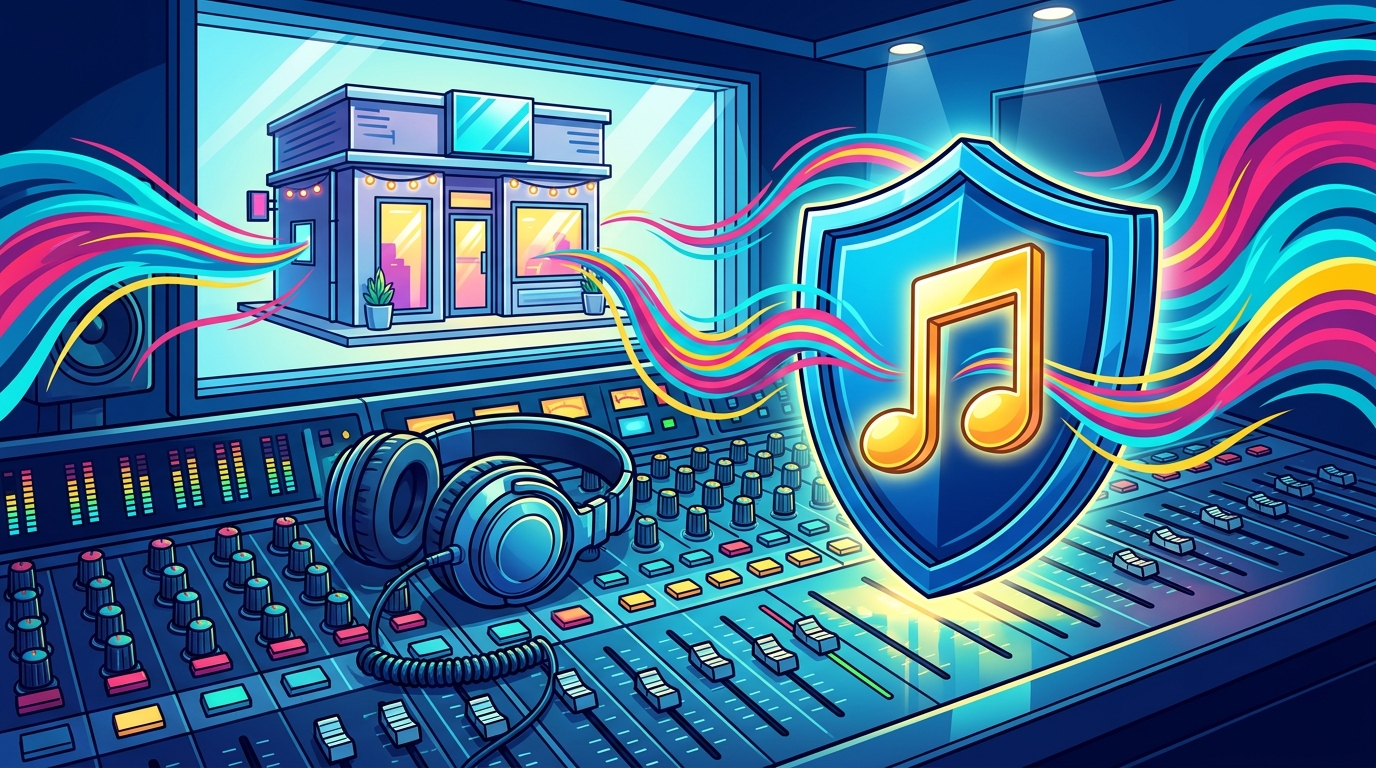
Public-performance licenses apply when music is played for people in business spaces, such as shops, restaurants, gyms, offices, livestreams, or events. Picture one neon arcade song powering your promo video: synchronization permission puts it on the screen, master-use permission selects the exact synthwave track, mechanical permission helps reproduce it, and public-performance permission lets the crowd hear it in a venue. Before you press start, review the usage limits and choose the license plan that matches your project, so your legal loadout is ready for game day.

A commercial music license usually covers the musical work, meaning the melody, lyrics, and underlying composition. You may need sync approval from the songwriter or music publisher to pair that work with an advertisement, video, game, podcast, or other visual project. Think of it as getting permission to make the song dance with your neon video, rather than letting it wander into the arcade unattended. The license should spell out where the music can appear, such as social media, streaming ads, television, or an app, along with the term, territory, and audience size. Check those limits before you buy, because a license for one campaign may not cover every platform in the galaxy.
The sound recording has a separate copyright from the composition, and it covers the specific recorded performance you want to use. If you choose a famous released track, you will generally also need a master-use license from the record label or recording artist that controls that recording. In other words, the publisher or songwriter approves the song itself, while the label or artist approves that particular sonic time machine. You might clear the composition and master rights separately, or choose a commercially licensed track whose checkout process includes the permissions you need. Using only one side can leave your project stuck on a very expensive pause screen.
Before purchasing a commercial music license, match the plan to your actual use instead of assuming one permission unlocks everything. Review whether the plan allows advertising, branded content, client work, paid promotion, monetization, broadcast, and the number of projects or views you expect. Save the license terms and confirmation, then keep them with your campaign files in case your project later levels up from a small social post to a full neon billboard takeover. If the track requires separate sync and master approvals, secure both before publishing, especially when recognizable vocals or recordings are involved. That quick rights check helps your launch stay smooth, legal, and gloriously free of copyright boss battles.
A commercial music license gives you permission to use music in business content, but the plan you choose should match your project. Subscription plans work well when you publish often, while a single-track license can be a better fit for one ad, video, podcast, or game. Royalty-free catalogs may reduce repeat fees, but “royalty-free” does not mean copyright-free, so check what is included. For a standout campaign, custom licensing can cover a specific song, artist, or use, while enterprise agreements are built for larger teams, many projects, or global distribution. Think of it as choosing your power-up before the boss battle, not after the neon arcade explodes.
Before buying, confirm whether the commercial music license covers your project type, audience size, distribution channels, territory, and license duration. Check whether you can monetize the content through ads, sales, subscriptions, sponsorships, or streaming, and whether paid advertising needs a separate permission level. If you create work for clients, make sure the license allows client projects, transfer of the finished work, and continued use after your contract ends. Also verify whether the permission covers both the musical work and the specific sound recording, since one track can involve separate rights. A five-minute rights check now can save you from a very uncool copyright boss fight later.
The safest buying path is to match the license to your real use, not the most attractive price tag. Look for clear terms on renewals, cancellation, edits, social media clips, livestreams, apps, games, and public playback, because tiny details can hide like a secret level. If your campaign may grow from a local post into a worldwide launch, choose terms that support the larger audience and territory before publishing. Keep your receipt, license certificate, track details, and project records together so you can prove permission when needed. Once the scope fits, purchase the plan, download the documentation, and use the music with confidence.
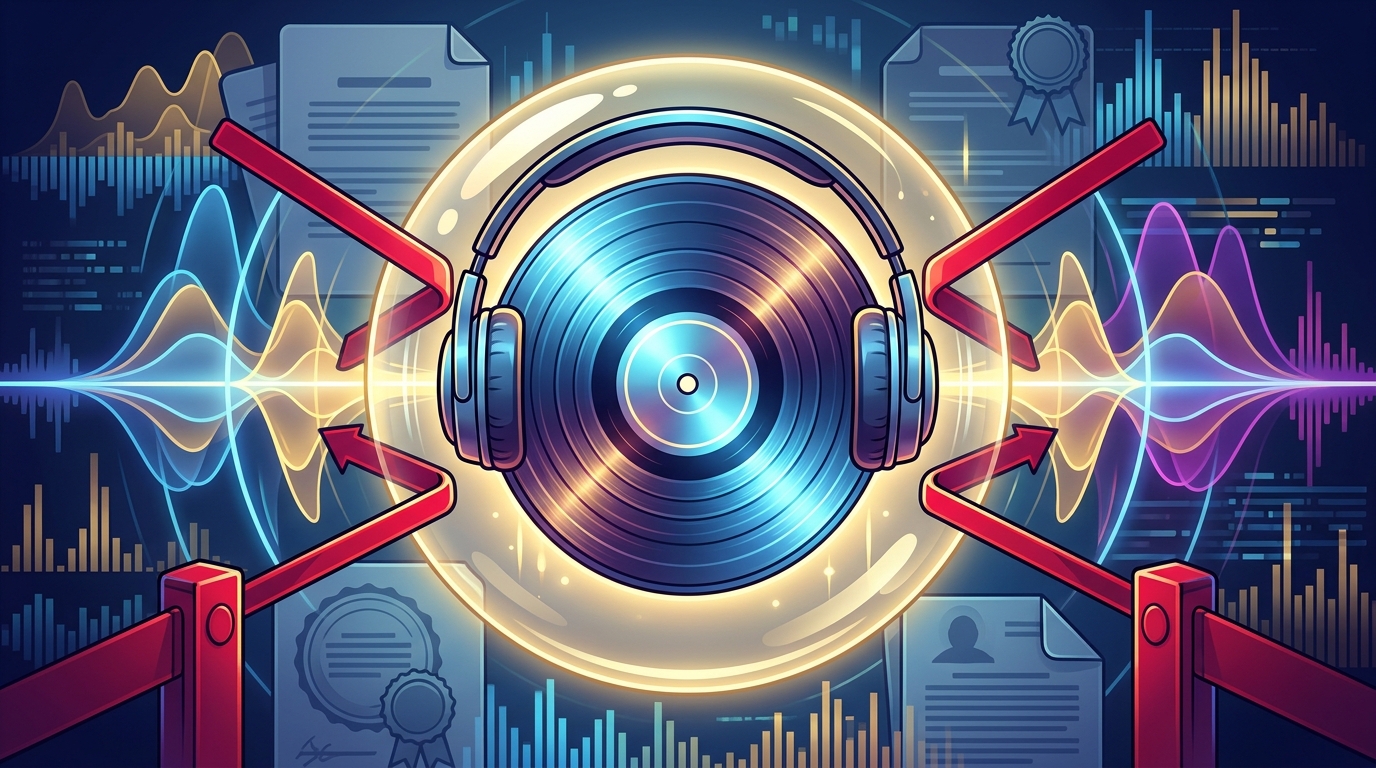
A commercial music license is not a magical all-access pass to every neon-lit channel. Before checkout, confirm that your plan covers paid ads, social media, online video platforms, podcasts, apps, games, livestreams, and public venues, because each use may have different limits. Check whether the license covers both the song itself and the specific recording you want to use. Also look for boundaries on audience size, revenue, territory, campaign length, and platforms, since a license built for one online video may not cover a nationwide ad campaign. If the terms read like a final boss battle, pause and ask for clarification before pressing “Buy.”
Use this quick checklist to inspect the license while your synthwave soundtrack is loading:
Pay special attention to words such as “personal,” “noncommercial,” “single project,” or “online only,” because they can quietly shrink your usage rights faster than an arcade high score. Confirm that livestreams, public playback, client work, and paid promotions are included if those are part of your plan. Save the checkout page, license terms, receipt, and any confirmation emails in one folder, just in case the paperwork returns like a surprise boss from 1987. Once every intended use is covered in writing, you can buy with confidence and let the music roll.
Choosing the right commercial music license starts with your project, not a random track that makes your wallet do a dramatic 1986 fainting scene. Think about how, where, and for how long you will use the music, whether it is for an ad, online video, podcast, game, film, livestream, or another business project. Check the plan’s usage limits, including platforms, audience size, territory, media type, and campaign length. Remember that a song and its specific recording can involve separate rights, so confirm that your license covers everything you actually need.
Before you press publish, save the license agreement, receipt, download details, and any permission documents in one easy-to-find folder. Match the license to a clear project plan, then review renewal rules and upgrade options if your campaign grows or changes platforms. That small bit of paperwork can save you from copyright boss battles, awkward takedowns, and rolling the legal dice like it is 1986. Ready to make the process easier? Explore our Music Clearance Service For Film Ads Games And More to learn how we can help you select and secure the right commercial music license with confidence.