One wrong click can turn your neon masterpiece into a legal boss battle. Costly music licensing mistakes include clearing only the recording or only the song, assuming a streaming license covers ads and social posts, and believing “royalty-free” means “free of all problems.” Before your project gets hit with a copyright jump-scare, make sure you know exactly what you are allowed to use.
Samples, covers, remixes, AI-generated tracks, and even that “just a few seconds” clip may require permission. Missing details such as paid ads, worldwide distribution, edits, or perpetual-use rights can leave your budget crying in a dark arcade. Get the rights, owners, uses, and terms in writing before you press play.
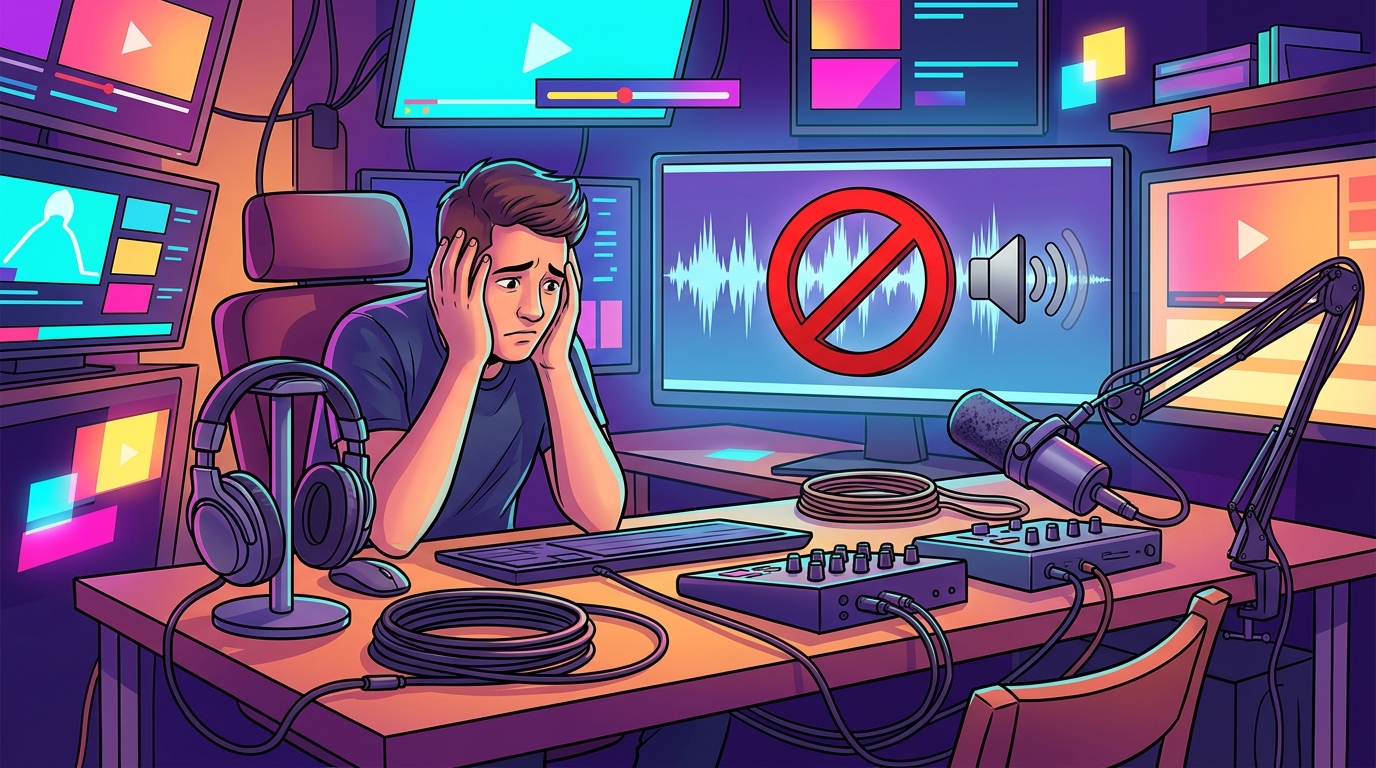
Music licensing mistakes can turn a neon launch into a VHS-era horror show faster than you can say, “Who owns this track?” One small slip can trigger a takedown, mute your video, delay your campaign, or send an unexpected fee jump-scare through your inbox. In the U.S., a song usually involves two separate copyrights, one for the composition and one for the specific recording. Clearing only one can leave the other lurking in the shadows. A streaming subscription, music purchase, or basic performance license rarely covers every commercial use. This guide helps you spot the traps before your project gets paused like a glitchy arcade game.
The fine print matters because music rights depend on how, where, and how long you use a track. A social post, paid ad, trailer, game, podcast, or international release may need permission that a simple online-use license does not include, especially if you want edits, perpetual rights, or broad distribution. Labels such as “royalty-free,” “public domain,” or “fair use” are not automatic all-access passes. Samples, covers, remixes, interpolations, and AI-generated material can raise additional questions. Even a friendly verbal approval may not protect you when ownership details, song splits, or platform rules do not match. Think of this guide as your copyright flashlight, helping you avoid muted videos, surprise invoices, and a licensing monster hiding behind the credits screen.
Before you press publish, confirm exactly what you are using, who controls it, and what your written license actually permits. Check the platforms, territory, term, audience, paid promotion, edits, and future versions included in the agreement. “We only planned one little post” has launched many rights-related boss battles. Keep accurate records of approvals, contracts, metadata, and payments, so you are not searching for proof in a digital junk drawer later. If the rights are unclear or the project is high stakes, get guidance from an experienced clearance professional or entertainment lawyer. A few careful checks upfront can keep your launch bright, loud, and gloriously free of takedown-screen energy.
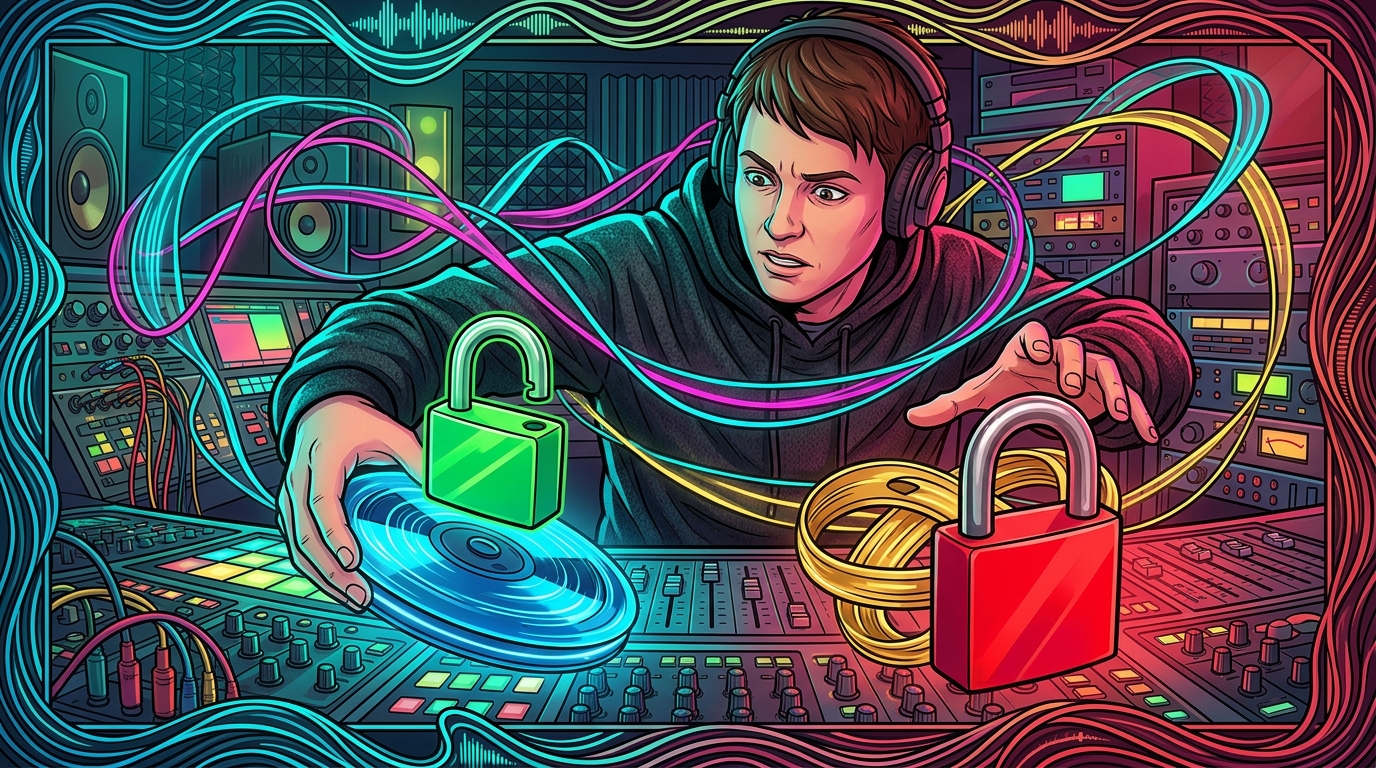
A song usually carries two separate copyrights, like a split-screen boss battle from an old arcade game. The musical composition covers the melody, lyrics, and underlying music, while the sound recording covers the specific performance you hear. Clearing the composition does not give you permission to use that particular recording, and clearing the recording does not automatically cover the song itself. Skip one, and your project could face a takedown, muted audio, or a very un-fun legal plot twist.
For example, using a famous recording in a commercial, video, game, or trailer may require permission from the composition owners, often through a synchronization license, and from the recording owner through a master-use license. The recording owner may be a label, artist, or another rights holder, while the composition may have several writers or publishers sharing ownership. Buying a song, subscribing to a streaming service, or getting a standard performance license usually does not cover these uses. In other words, pressing play is not the same as unlocking every level in the licensing menu.
Before you publish, confirm that your clearance covers both the song and the exact recording, along with every planned use, platform, territory, and length of time. Keep written approvals and check the ownership details instead of trusting a mystery email from the licensing equivalent of a guy in sunglasses offering “the master.” If you use a cover, remix, sample, or altered version, you may need additional permissions. Do not assume the original clearance still works. A proper review helps keep your neon campaign online instead of turning it into a silent VHS relic.
A streaming subscription or one-time music purchase usually lets you listen, not turn the track into the soundtrack for your next neon-soaked ad. A PRO license may cover certain public performances, but it does not automatically clear a recording for a commercial, social post, trailer, game, or other video project. Even a “royalty-free” track can limit paid promotion, audience size, platforms, or business use. Assume nothing, or your campaign could get muted, blocked, or hit with a copyright claim faster than a VHS monster jumps out of the closet.
Before the licensing boss battle begins, check the fine print for territory, duration, media, and whether the permission covers organic posts or paid advertising. Confirm whether you can use the music worldwide, keep it live forever, place it in a trailer or game, and publish it across websites, apps, streaming platforms, and social networks. Pay close attention to edits and derivative works, since trimming, looping, remixing, adding vocals, or syncing the track to new visuals may require extra approval. A personal-use license is not a secret cheat code for commercial content.
Get the exact rights in writing, including permission for both the musical composition and the specific sound recording when needed. Save the license, receipt, usage limits, approved territories, and expiration date with your project files. “Someone said it was fine” is not a strong defense after the algorithm mutes your masterpiece. If your plans may expand from one post to a global campaign, clear those uses upfront instead of returning to the licensing screen after launch. A few minutes of checking can protect your video from takedowns, surprise fees, and a very un-fun game over.
“Royalty-free” usually describes how you pay, not whether you can use the track for every project. You may pay once and skip recurring royalties, while the license still limits ads, films, games, social posts, audience size, territories, or the length of your campaign. A streaming subscription or personal music purchase is not automatically a license to sync that song with video. Before your neon title sequence rolls, read the usage terms and confirm that your exact project is covered.
Giving credit is polite, but it is not permission, and tagging the artist will not stop a takedown, muted video, or copyright claim. Public domain claims also need a careful check because the composition and the specific recording can have different owners, and rules may vary by country. Fair use is not a magic cheat code unlocked by adding commentary, using a short clip, or dropping in a heroic thumbs-up GIF. It depends on the facts, including why you are using the music, how much you use, and whether your use could replace the original.
A quick internet search can point you toward clues, but it cannot replace clear ownership records and written license terms. For a commercial video, paid ad, trailer, game, or long-running campaign, confirm every needed use before publishing, including edits, platforms, territories, and duration. Save the invoice, license, permissions, and relevant messages in one folder, like a digital save point for your project. If the terms are unclear or the stakes are high, purchase the right license or get clearance advice before the copyright boss battle begins.
An uncleared sample can turn your polished neon anthem into a muted video faster than a VHS monster jumps out of the closet. Samples, interpolations, covers, and remixes may involve separate rights in the recording and the underlying song, so clearing only one side is not enough. AI-generated music adds another level of boss-battle confusion, especially when you cannot confirm training permissions, output rights, or human ownership. Do not assume a credit, a “royalty-free” label, or a friendly message counts as permission. Get every approval in writing before release, advertising, social posts, games, trailers, or international distribution.
Your ownership records should be as organized as your favorite arcade high-score table. Record each contributor’s legal name, role, ownership split, publisher, PRO details, song identifiers, and ISRCs. Then check that the metadata matches every platform and contract. Missing or incorrect information can delay payments, send royalties to the wrong person, or trigger takedowns when a platform spots conflicting claims. Verbal approvals are especially risky because memories can glitch like an old console. Capture permissions, sample sources, interpolation details, cover arrangements, remix rights, and AI disclosures in signed documents. Update the records whenever a split changes, a new version appears, or another rights holder enters the game.
Before signing, make sure the contract clearly lists the media, territory, term, paid advertising, social use, edits, derivatives, trailers, and renewal rules you actually need. Ask for written warranties confirming that the licensor owns or controls the rights and has obtained all required permissions. Include indemnity protection if an undisclosed claim appears. Add audit rights so you can verify reporting and royalty payments, along with a practical takedown process explaining who acts, how quickly, and what happens during a dispute. Renewal terms should never sneak up like a surprise boss fight. Termination clauses should address existing uploads, sell-off periods, replacement music, and any continuing payment duties. A clean contract and accurate metadata can help keep your videos live, your royalties moving, and your soundtrack out of copyright limbo.
The fastest way to turn a neon launch into a copyright boss battle is to clear only one part of a song. A recording and the underlying song are separate copyrights, so you may need permission from both the track owner and the writers or publishers. Do not assume a streaming subscription, download, performance-rights license, credit, or “royalty-free” label covers your video, paid ad, trailer, game, or social post. “Royalty-free” usually means a specific fee structure, not unlimited permission from the licensing arcade.
Before you publish, build a written clearance checklist naming every song, recording, sample, interpolation, cover, remix, or AI-generated element involved. Confirm who owns each right, collect written approvals, and spell out the territory, platforms, campaign length, paid media, edits, exclusivity, and whether the license lasts forever. Save the agreement, receipts, song details, and ownership information in one place. Verbal approval is about as sturdy as a floppy disk in a rainstorm. This step can help you avoid takedowns, muted videos, blocked ads, and surprise restrictions that appear after launch like a VHS monster.
For major budgets, broad distribution, international releases, or complicated ownership, use a reputable music licensing provider or consult an entertainment lawyer before the final export. They can help spot missing permissions, unclear ownership splits, sample issues, and fine print that your deadline-fried brain may miss. U.S. copyright rules do not automatically apply everywhere, so global campaigns deserve an extra review. A little clearance work before launch is far cheaper than rebuilding your campaign after the copyright alarm starts flashing.
The biggest music licensing mistakes happen when you treat a song like a single permission slip instead of a two-key arcade game. You may need clearance for both the composition and the specific recording, and a streaming subscription, purchase, or PRO license usually does not cover ads, films, games, or social posts. “Royalty-free,” “public domain,” “fair use,” and “just give me credit” are not magic cheat codes, so check the actual terms before your video gets muted or pulled. Also clear samples, covers, remixes, interpolations, and AI-generated material instead of hoping the copyright gremlins are taking the day off.
Before you publish, make sure your agreement spells out every important use, including paid advertising, trailers, edits, international release, social platforms, and how long you can use the music. Confirm who owns the rights, get approvals in writing, and keep accurate song metadata, splits, and identifiers so your project does not vanish into a bureaucratic boss battle. If the fine print feels like a VHS monster with glowing red eyes, do not guess. Get professional help before launch. Explore our Best Music Licensing Service In 2026 For Creators And Filmmakers to learn how you can clear music more confidently and keep your neon masterpiece online.