Your music deserves more than a lonely spot on your hard drive, glowing like an arcade cabinet nobody plays. A playlist pitching service can help put your track in front of curators, bloggers, radio programmers, and music fans, but it should offer targeted outreach, not magical promises of guaranteed streams. If someone claims they can unlock instant fame with one neon button, your scam radar should start beeping like an ’80s spaceship.
Before you spend your promo budget, learn what these services actually do, what they cost, and how to spot shady offers hiding behind flashy synthwave graphics. You should also use the free official editorial pitching tool available through your artist dashboard for eligible unreleased music, since paying for access never guarantees placement. The goal is simple: find real listeners, build momentum, and avoid turning your wallet into the final boss.
A playlist pitching service is a paid platform, agency, or marketplace that puts your music in front of playlist curators and other music professionals. Depending on the package, you may get targeted submissions, campaign planning, curator feedback, or hands-on outreach instead of tossing your track into the internet void like a lost arcade token. A good service explains who may hear your song, how submissions work, what genres it covers, and what you receive for the fee. Before spending money, use the free official editorial pitching option available through your artist dashboard for eligible unreleased music.
Think of the service as buying access and campaign help, not pressing a magic neon button marked “guaranteed streams.” Legitimate providers cannot promise a specific playlist placement, stream count, or career-changing moment worthy of an ’80s movie montage. Results depend on your song, fit, timing, curator interest, release plan, and plain old human taste, which remains undefeated by algorithms and dramatic laser lights. Be cautious of any offer promising guaranteed placement, guaranteed streams, or instant fame, since those claims can signal low-quality or artificial promotion.
Before choosing a playlist pitching service, review its package details and submission requirements so your release is ready for inspection. You may need a private listening link, cover art, genre and mood tags, artist biography, release date, and a short explanation of why the track fits the target audience. Ask whether the service provides campaign updates, curator responses, and clear reporting, and check that it does not use bots or questionable streaming tactics. The goal is a focused campaign that helps the right people discover your music, not a neon-colored shortcut to the final boss.
Your artist dashboard may offer a free official way to pitch eligible, unreleased music to an editorial team. Submit your track before release, and aim for at least seven days ahead when possible so it has time to be reviewed and considered for follower-focused release features. Editorial placement is never guaranteed, but skipping the pitch is like entering a boss battle without pressing “Start.” Complete your song details, genre, mood, and story carefully so editors have useful context.
A paid playlist pitching service takes a different route by helping you reach independent curators, music blogs, radio programmers, influencers, or other industry contacts. Depending on the package, you may get targeted submissions, curator feedback, campaign management, or a set number of outreach opportunities. Review the submission requirements, audience targeting, reporting, refund policy, and timeline before paying, and treat promises of guaranteed streams or guaranteed editorial placement as a giant neon warning sign. Real outreach can improve discovery, but it cannot force a curator to say yes.
For the best launch plan, use the free official editorial pitch first, then consider paid outreach while your release is still unreleased or newly available. Send clean audio, strong artwork, a short artist story, genre and mood details, and links to your social profiles so curators can quickly understand the track. Start early enough for the service to review your campaign and contact relevant curators, instead of activating panic mode the night before release. The goal is a well-matched audience and useful feedback, not empty numbers wearing sunglasses.
A playlist pitching service can give your release a little extra neon on the dance floor, whether you want to submit tracks yourself or hand the campaign to a pro. Self-service plans usually let you choose curators and send a set number of submissions, while managed campaigns handle targeting, follow-ups, and campaign timing for you. Some packages focus on curator feedback, which can be useful when your song needs a quick boss-battle review before launch. Others add blog outreach, radio promotion, or influencer campaigns to help your music travel beyond playlists. Just remember, legitimate services offer targeted outreach or feedback, not guaranteed streams or a guaranteed playlist slot.
Before buying, check exactly who gets your music, how many submissions are included, and how long the campaign runs. Review whether the service targets your genre, sound, location, and audience instead of tossing your track into a mystery bucket like an old arcade prize machine. Reporting should show useful details, such as curator responses, outlets contacted, campaign activity, and any confirmed placements, rather than vague screenshots and sparkly promises. Compare the total price with the work included, including extra fees for more submissions, follow-ups, blog features, or radio pitching. Also confirm the submission requirements, such as an unreleased track, cover art, a private streaming link, release date, genre, and a short artist description.
The best campaign option depends on how much time you have and where your listeners actually discover music. You can use the free official editorial pitching tool for eligible unreleased tracks, then consider paid outreach for independent curators, blogs, radio programmers, or influencers that fit your lane. A synthwave track may shine with retro gaming channels and electronic playlists, while a folk song might need a completely different audience, because even neon ninjas cannot make every genre fit every room. Treat placements as opportunities for discovery, not promises of viral fame, and watch whether the campaign brings engaged listeners rather than empty numbers. A clear package, honest expectations, and useful reporting will help you avoid paying for a digital confetti cannon with no actual audience inside.
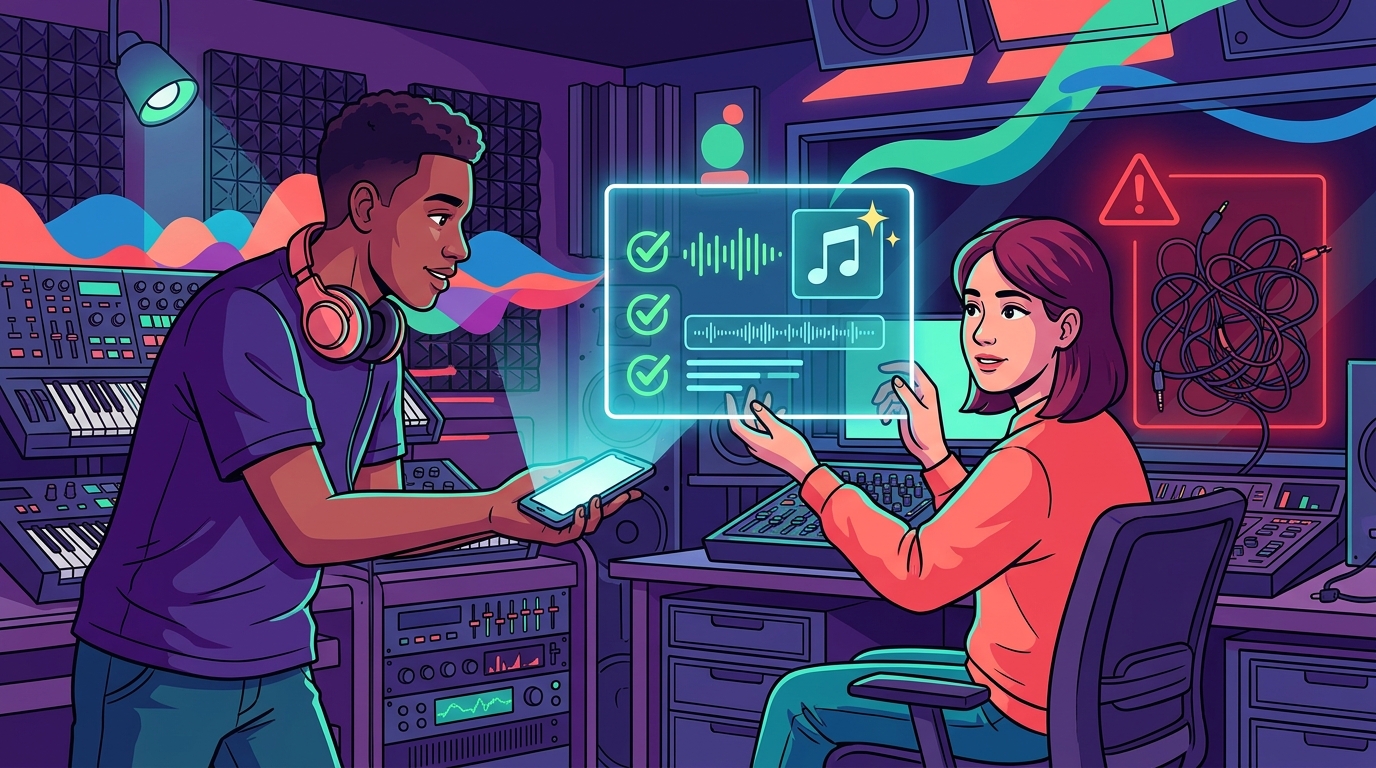
A legitimate playlist pitching service should make your submission easy without turning it into a boss battle. You will usually need a private streaming link, release date, genre, artist bio, cover art, and a clear promotional story about the track. Include useful details such as similar artists, target listeners, and what makes the release stand out in a crowded neon arcade. Your song should be unreleased when required, and you should also use the official editorial pitching tool before launch. The more complete your materials are, the less your campaign feels like throwing a cassette into the wind and hoping a DJ finds it.
Watch for providers that promise guaranteed streams, guaranteed editorial placement, or instant fame with the confidence of a late-night infomercial selling a miracle synthesizer. No honest playlist pitching service can control editorial decisions or promise a specific result. Be cautious when a provider hides its curator network, refuses to explain how playlists are selected, or reports only fuzzy phrases such as “great exposure” without links, dates, or campaign activity. A trustworthy service should explain its process, pricing, target genres, and limits before asking for payment. If the pitch sounds like “one weird trick to become a superstar overnight,” your wallet may be the real headliner.
Before you book, ask what you will receive and how success will be measured. Clear reporting might include the playlists contacted, submission dates, curator responses, feedback, and any confirmed placements, while realistic expectations focus on opportunities rather than guaranteed numbers. You should also confirm whether curators choose music independently and whether the service avoids artificial streams, bots, or suspicious playlist activity. A transparent campaign may help your release reach relevant listeners, but it cannot force people to press play, save the song, or summon a record deal from the digital mist. Think of the service as a map through the synthwave maze, not a cheat code for musical fame.
Measure a playlist pitching service by the quality of the opportunities it creates, not by a giant stream counter doing its best 1980s arcade impression. Track curator responses, including thoughtful feedback, requests for more music, and clear signs that your song reached a relevant listener or playlist team. Review each playlist for genre fit, active listeners, recent updates, and an audience that makes sense for your release. A large playlist with poor fit can look flashy while sending your track into the neon fog.
Your audience data tells the more useful story after a campaign runs. Watch listener saves, profile follows, repeat listening, skip rates, and audience location to see whether people are connecting with the music rather than bouncing after five seconds. Genuine engagement might include listeners exploring your other tracks, following your artist profile, or sharing the song with friends. Compare these results with your usual numbers, since a smaller but engaged audience can be far more valuable than a sudden spike of empty streams.
A legitimate playlist pitching service can put your release in front of curators and create chances for consideration and discovery, but it cannot promise playlist placement or long-term growth. Be cautious of packages built around guaranteed streams, guaranteed editorial spots, or suspiciously perfect results, because real listener behavior is not a cheat code. Ask for clear campaign details, submission requirements, reporting, target genres, and realistic expectations before you press start. Think of the campaign as opening doors, not summoning a viral boss battle on demand.
Start with the free official editorial pitching tool in your artist dashboard, and submit your unreleased song before release day. Aim for at least seven days ahead when possible, which gives the track more time to be reviewed and considered for follower-focused release features, though placement is never guaranteed. After that, compare any playlist pitching service by checking its curator network, submission process, campaign reporting, fees, and refund terms. A trustworthy service sells targeted outreach, feedback, or campaign management, not magical stream buttons or a guaranteed spot on every neon-soaked playlist in the galaxy.
Treat pitching as one level in your larger release plan, alongside strong artwork, social content, live promotion, press outreach, and consistent releases. Ask how playlists are chosen, whether curators can freely reject submissions, and how the service handles suspicious activity before handing over your budget. Real growth usually looks more like a slow arcade high score than an instant jump to pop-culture legend status, and that is perfectly fine. Ready to connect your playlist campaign with the rest of your launch strategy? Explore our music distribution service guide to help get your next release moving in the right direction.