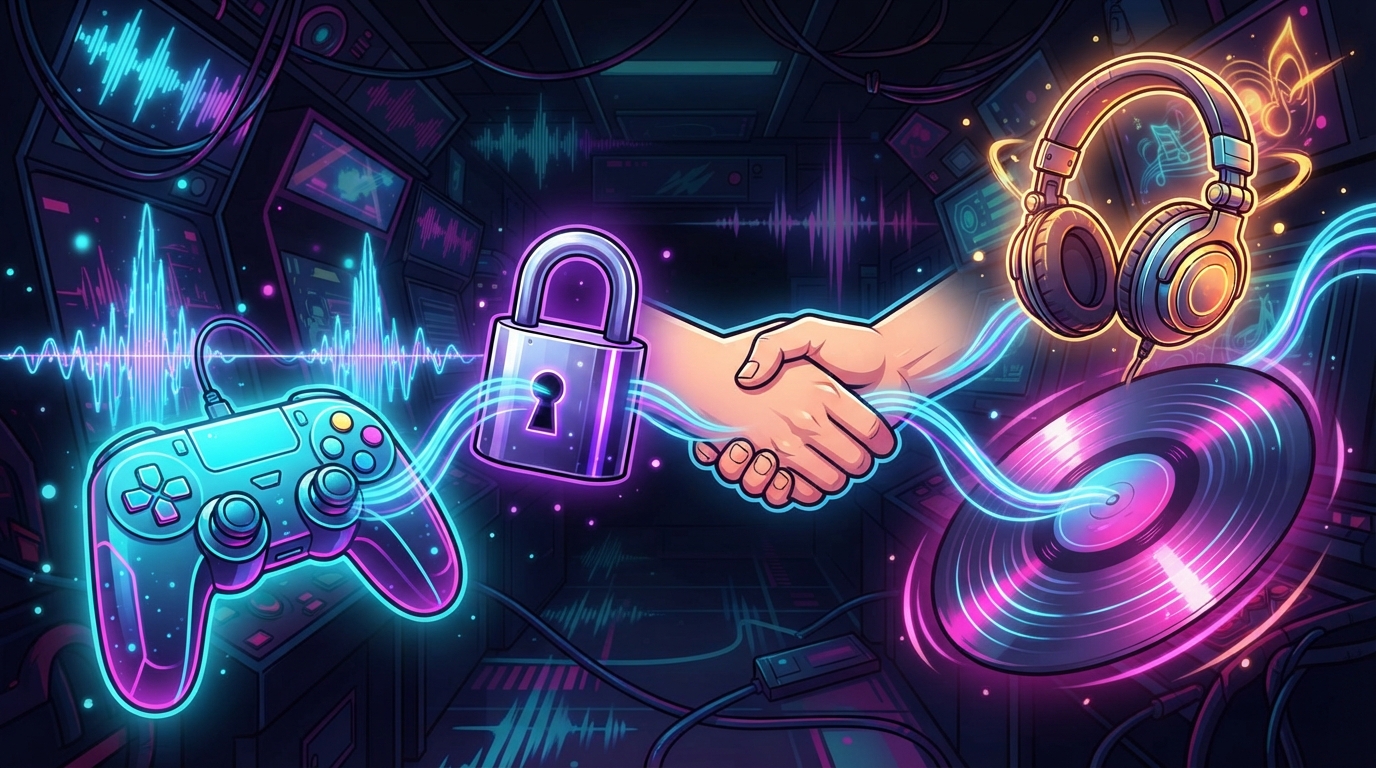
Game soundtrack licensing can turn your neon-lit masterpiece into a boss battle if you clear a song for only one use. A track usually involves two separate rights: the musical composition and the specific recording. Putting it in the game may not cover trailers, streams, DLC, or an OST release. Miss one permission, and your synthwave dream could hit a copyright “Game Over.”
Before you blast that perfect chorus across every level, figure out where the game will appear, how long it will be sold, and what players can do with it. Global releases, years of updates, user videos, and marketing campaigns can all create different licensing needs. Align the rights early, and your soundtrack can stay boss-level instead of becoming an expensive plot twist.
A commercial song usually contains two separate copyrights, so one permission slip does not magically unlock the whole soundtrack. The musical composition covers the melody, lyrics, and underlying song. It is typically controlled by the songwriter or music publisher. The specific recording, known as the master, covers the version performed by the artist and is often controlled by the artist, producer, or record label. To place that recording in your game, you will usually need a synchronization license for the composition and a master-use license for the recording. Think of it as collecting both keys before entering the neon arcade.
These rights should match every way you plan to use the music, not just its appearance during gameplay. Your agreement may need to cover global sales, multiple platforms, trailers, livestreams, downloadable content, updates, and a possible soundtrack release, because your game can keep respawning long after launch day. Confirm the territory, license term, media, number of copies, and commercial fee before signing. Also ask who controls each right. Clearing only the composition or only the master can leave your game stuck on a legal “Game Over” screen, even if the song sounds perfect during the boss battle.

Your game soundtrack licensing agreement should name every platform where players can hear the music, including PC, console, mobile, and cloud gaming services. A track approved for a PC release may not automatically cover a console port or cloud-based play, so spell out each use before your rocket launches. Include physical editions, digital storefronts, demos, patches, and downloadable content, since each one can create a new orbit for the music. You should also confirm whether the license covers both the song itself and the specific sound recording, because those are separate rights with their own boss battles.
Territory and release duration deserve equal attention. If your game is headed worldwide, the agreement should clearly cover every country where you plan to sell or distribute it, rather than leaving your launch map looking like a half-finished arcade cabinet. Set a clear license term and explain whether it applies to one release, future updates, ports, or ongoing sales after the initial launch. Your sales model matters too, so discuss premium purchases, subscriptions, free-to-play releases, in-game purchases, bundles, and promotional copies before the neon fog rolls in.
Do not forget how players will use your game in the wild, especially through gameplay streams, clips, esports events, and user-generated videos. If music can trigger platform takedowns or muted streams, ask whether the license includes permission for these player-facing uses, as well as your own trailers, ads, and social posts. Share your full release plan when starting the licensing conversation, including platforms, territories, term, sales model, cloud access, physical and digital distribution, and planned marketing. That detail helps rights holders price the deal accurately and keeps your soundtrack from becoming the final boss after launch.
Start by treating game soundtrack licensing as a bundle of deal points, not a single permission slip from the arcade machine. Confirm the upfront fee, royalty rate, payment schedule, and whether royalties apply to game sales, subscriptions, downloads, or soundtrack revenue. Discuss exclusivity carefully, since an exclusive license may stop the artist from using the track elsewhere during the term. Spell out credit placement, term length, territories, and every platform you plan to support, including console, PC, mobile, cloud gaming, and future hardware. Also confirm whether the deal covers the composition and the specific sound recording, because clearing only one is like finding one power-up and expecting the final boss to vanish.
Your agreement should also address trailers, social posts, livestreams, update videos, store pages, demos, and other promotional uses. If you may release an OST, physical edition, DLC, or expanded version, name those uses now instead of returning later with a sad dial-up modem noise. Ask for renewal rights, including when you can renew, how the price changes, and what happens if the license expires while players still own or stream the game. You should also clarify takedown rules, approval rights, reporting requirements, and whether the track can remain in previously sold copies after the term ends. A clear contract keeps your neon masterpiece from losing its music during a surprise rights boss battle.
Open the conversation with a simple one-page brief that lists the game, track, intended uses, launch date, territories, platforms, promotional plans, and expected audience. Then say, “We would like to license the composition and master for use in the game, marketing, downloadable content, and a possible soundtrack release, worldwide for five years, with renewal rights. What fee, royalty structure, credit, approval process, and exclusivity terms would you consider?” Share a realistic budget range if you have one, but leave room to discuss different options, such as a shorter term, fewer territories, or nonexclusive rights. Ask whether you are speaking with the artist, publisher, label, music supervisor, or licensing agency, and request proof that they control the rights they are offering. That approach sounds prepared, not like an NPC who just discovered the dialogue wheel.
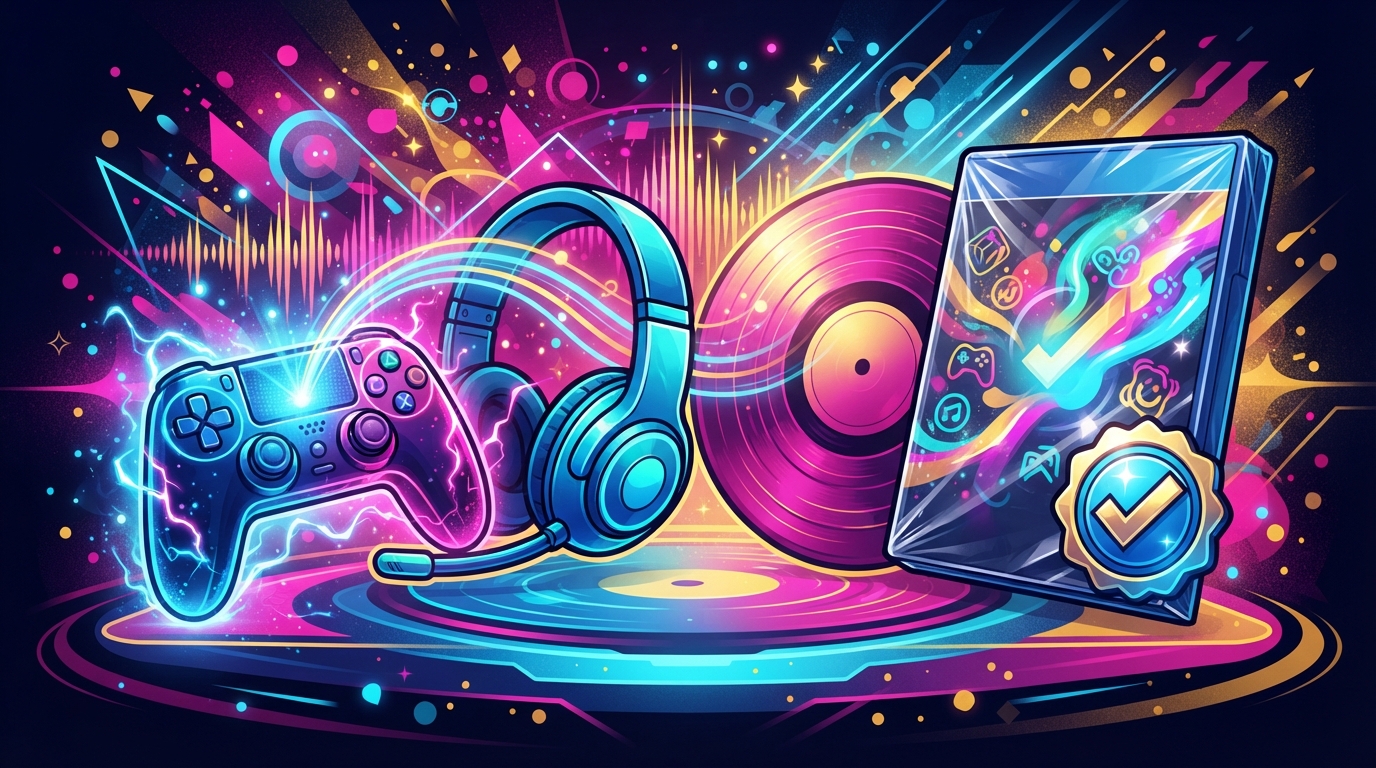
A game soundtrack license should cover more than the moment a song kicks in on the main menu. New DLC, expansion trailers, launch videos, social media clips, and paid ads can all create separate music uses, especially when content appears across different platforms and territories. Esports broadcasts and livestreams may also need clearance, because your track could end up powering a championship match or a streamer’s boss-fight meltdown. Plan for the whole neon arcade, not just level one.
Before signing, write down every way you expect the music to appear, including the game itself, updates, trailers, social posts, esports events, user-generated videos, and soundtrack albums. Confirm whether the permission covers the musical composition, the specific sound recording, commercial promotion, streaming, platforms, countries, and the length of the license. If you want players to share clips freely, ask whether the agreement supports those uses instead of leaving creators trapped in a copyright-warning boss battle. Clear terms now can prevent surprise fees, takedowns, or a remix of your budget later.
Your list should also separate paid uses from fan activity and identify who controls each right, since a publisher, label, artist, or songwriter may handle different pieces of the same track. Share your release plan early and ask for pricing that matches your distribution model, including console, PC, mobile, subscription, and future DLC releases. A focused licensing conversation gives you room to negotiate broader rights, renewal options, and an OST release before the paperwork turns into an 80s printer jam. The goal is simple: secure permission for the full game universe, not only the main menu.
Game soundtrack licensing works best when you treat every song like a two-key power-up. You need permission for the composition and the specific sound recording, or master. Match those rights to your actual plans, including consoles, PC, mobile, streaming, trailers, social media, DLC, and a possible OST release. Your agreement should also cover territories, sales or subscription models, term length, and future updates, because a game can keep respawning long after launch day. A track cleared for a U.S. digital release may not automatically be cleared worldwide, so check international requirements before your neon arcade goes global.
Keep every approval, contract, fee, credit requirement, and usage limit in one easy-to-find place, rather than trusting a mysterious folder named “final_FINAL2.” If the deal involves multiple writers, labels, territories, royalty structures, or changing content, get legal advice before signing anything more complicated than a haunted cartridge from 1987. Ready to turn the rights maze into a playable level? Explore professional music clearance services for film, ads, games, and more to help clear your music with confidence and keep your soundtrack from triggering a copyright boss battle.