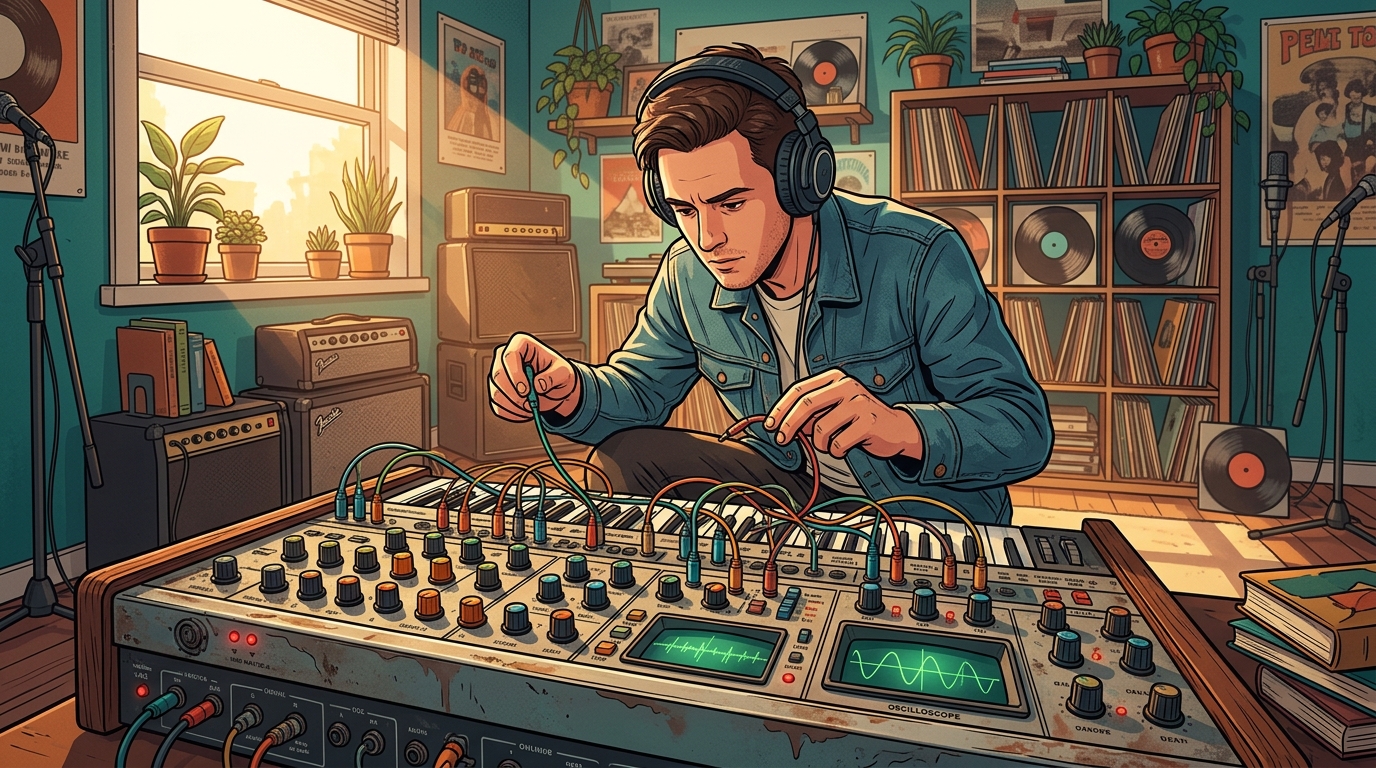
You’re staring at a pixelated listing for a vintage synthesizer that costs more than a brand-new SUV, and your brain is screaming “aesthetic” while your wallet is just screaming. In a world where 2026 feels like a neon-soaked cyberpunk fever dream, you have to wonder if are vintage synthesizers worth it or if you’re just paying for a very expensive space heater. These legendary machines have officially entered the luxury tier, sitting in studios like glowing trophies from an 80s sci-fi movie.
Owning a piece of history is basically the ultimate side quest, but it comes with a boss-level maintenance bill and enough dust to choke a floppy disk drive. While these synths are growing faster than a high-score leaderboard, the line between a savvy investment and a mid-life crisis has never been thinner. You’re balancing the dream of that warm, fuzzy analog soul against the reality of hunting down rare parts that haven’t been manufactured since the Reagan administration.
Deciding to drop a small fortune on a vintage synthesizer is like choosing to adopt a grumpy, neon-soaked robot that only speaks in warm hugs. There is a specific kind of magic in original analog circuitry that modern software just cannot quite replicate, mostly because those old circuit boards are literally aging and changing over time. When you press a key on a legendary machine from the eighties, you are hearing electricity travel through decades-old components that have developed their own unique personality. It is not just about the sound, it is about that fuzzy, unpredictable energy that makes your studio feel like the deck of a starship. While digital recreations are getting closer every day, they often lack the analog soul and beautiful imperfections that make vintage hardware feel alive and slightly rebellious.
Owning one of these classic beasts is a major flex, but it also means you are essentially becoming a part-time technician for a piece of history. These machines have become genuine financial assets that often grow in value faster than a high-score on a retro arcade cabinet, with some units now costing as much as a luxury car. You have to ask yourself if the tactile joy of turning physical knobs and hearing that authentic voltage is worth the potential repair bills and the high entry price. For many collectors and synthwave fans, the answer is a resounding yes because you are not just buying a tool, you are investing in a piece of pop culture. It is a high-stakes game of musical investment where the payoff is the most glorious, buttery bassline you have ever heard.
Ultimately, the choice comes down to whether you want the convenience of a modern setup or the soul of a vintage legend. If you are the kind of person who dreams in grid-based neon landscapes and wants your music to have that thick, cinematic glow, nothing compares to the real deal. These synthesizers are the heavyweights of the music world, offering a sonic depth that feels like stepping into a time machine. Even as prices climb into the atmosphere, the allure of owning the exact hardware used on your favorite soundtracks remains incredibly strong. You are paying for the vibe, the history, and that unmistakable analog warmth that makes every note feel like a victory lap.
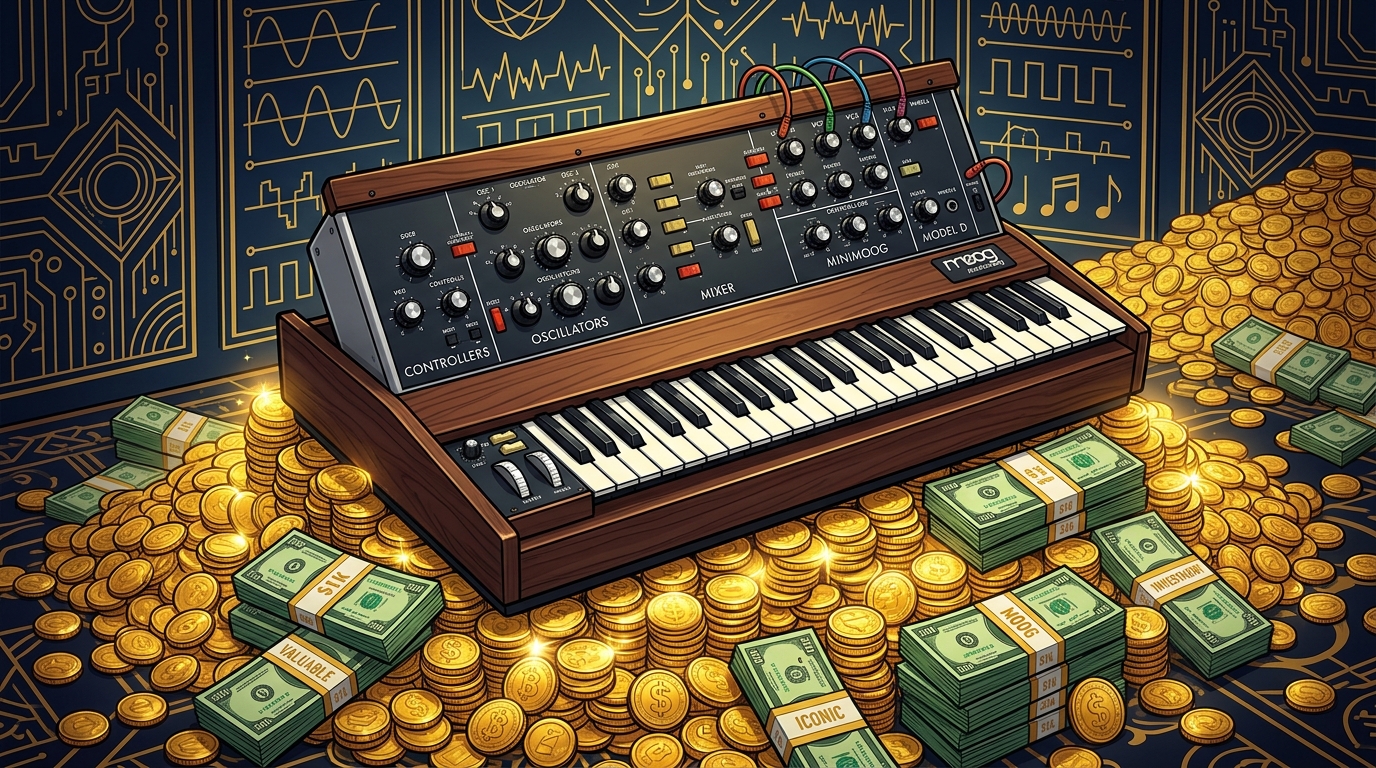
Staring at the price tag of a high-end vintage synth can feel like you are looking at the sticker price of a shiny new sedan, and your brain might actually start to justify the trade. These neon-soaked legends have moved beyond just being musical instruments and into the realm of high-stakes collectibles that make your local bank account look a bit boring. While the stock market is busy doing its own thing, these vintage circuits have been quietly doubling or even tripling in value over the last decade. You are not just buying a piece of history, you are essentially parking your cash in a box of warm, fuzzy oscillators that might actually pay for your retirement one day. It is a wild world where a bunch of 1980s computer chips can outperform a traditional savings account while looking much cooler on your desk.
Deciding to pull the trigger on a legendary synth means you are playing a game of high-reward financial Tetris. While the initial cost is enough to make anyone sweat, the fact that the global market for these machines is still growing provides a nice safety net for your wallet. You get to enjoy those thick, cinematic pads and crunchy basslines while resting easy knowing your gear is likely gaining value every single day. Of course, you have to be ready for the occasional repair bill, but that is just part of the retro lifestyle. If you want that authentic vaporwave soul that modern software just cannot replicate, treating a synthesizer as a luxury investment might be the smartest move you ever make. Just imagine explaining to your friends that your favorite hobby is actually a diversified portfolio with more style than a Wall Street suit.
Owning a vintage synthesizer is a lot like adopting a very grumpy, expensive mechanical cat that only purrs when it feels like it. You might wake up expecting those lush, neon pads from your favorite sci-fi soundtrack, only to be met with a puff of magic smoke and a smell like toasted circuits. These machines are full of ancient components that have been slowly cooking themselves for forty years, and they do not care about your recording deadline. When a voice chip dies, you cannot just run to the local mall to grab a replacement. You are essentially entering a high stakes scavenger hunt for extinct silicon that might cost as much as a new gaming console.
Every vintage purchase comes with a hidden repair tax that will eventually come due at the most inconvenient time. You need to be prepared to spend your weekends scouring obscure forums and bidding on dusty parts from halfway across the globe just to keep your gear alive. It takes a special kind of dedication to treat a piece of hardware like a fragile heirloom that needs constant babysitting and professional checkups. While the sound is undeniably nostalgic and warm, you have to ask yourself if you are ready for the stress of a flickering display or a sticky button. If you love the thrill of the chase and have a direct line to a specialized technician, the analog soul of these machines might just be worth the headache.
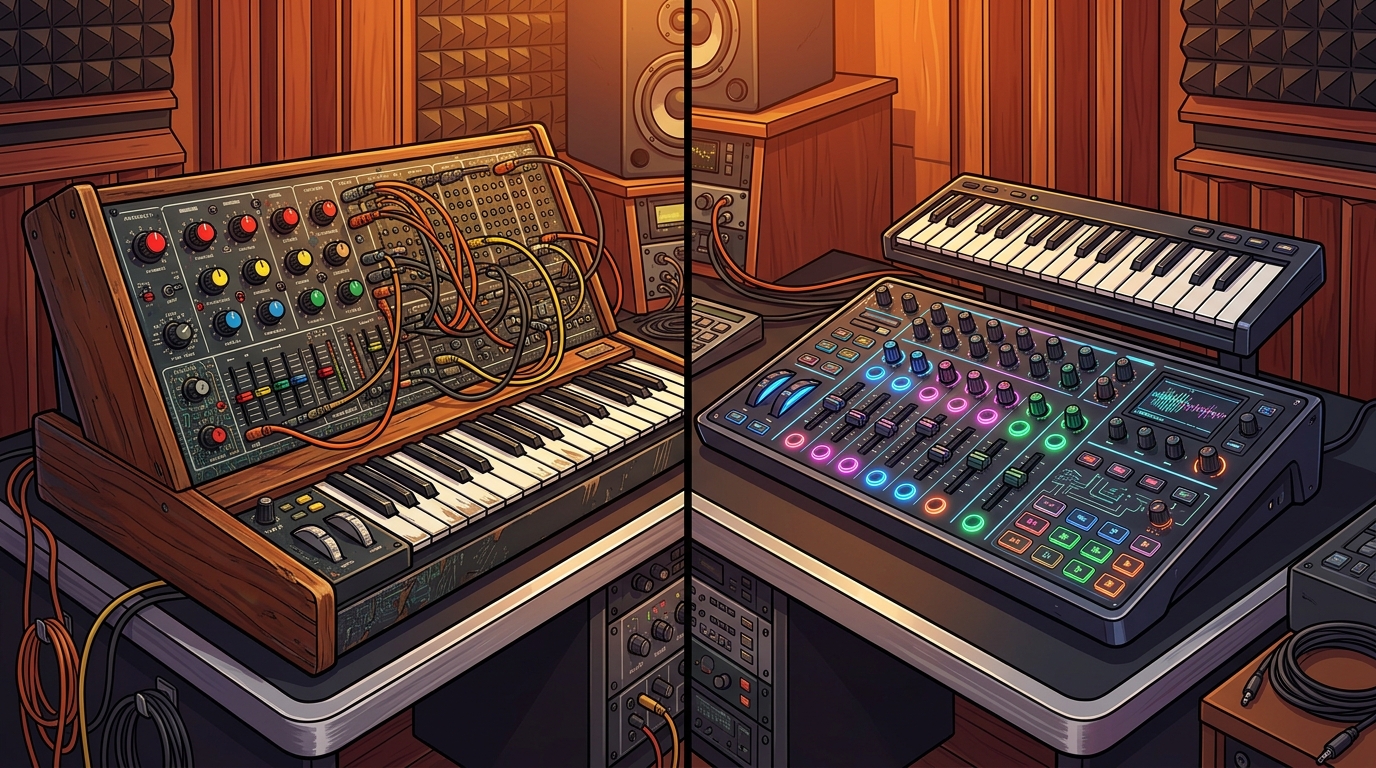
Deciding between a dusty relic from the eighties and a shiny new clone is the ultimate boss battle for your studio setup. On one hand, you have the modern reissues that come with USB ports, stable tuning, and that satisfying new gear smell. These machines are reliable workhorses that won’t decide to quit mid-track just because the room got a little too humid. You get all the neon vibes and crunchy basslines without having to worry about forty-year-old capacitors leaking all over your desk. It is the practical choice for anyone who actually wants to finish their vaporwave album this century.
Owning an original vintage beast is less about convenience and more about pure street cred and sonic soul. There is a certain magic in touching the same sliders that defined the soundtracks of your favorite retro movies. Sure, you might have to sell a kidney to afford a legendary polyphonic synth, but these units are basically appreciating financial assets at this point. They carry a specific character and a bit of unpredictable chaos that modern digital recreations often struggle to mimic perfectly. You aren’t just buying a musical instrument, you are adopting a piece of history that looks incredible under some pink LED strips.
The real question comes down to whether you want a stress-free experience or a high-stakes investment. Modern clones offer a plug-and-play lifestyle that fits perfectly into a fast-paced creative workflow. Meanwhile, the vintage originals demand respect, regular maintenance, and a very healthy bank account. If you enjoy the thrill of the hunt and don’t mind calling a technician every now and then, the real deal offers an unmatched vibe. However, if you just want to turn some knobs and feel like a cyberpunk hero right now, the new hardware is a total win.
Deciding whether to drop your life savings on a dusty keyboard from 1982 is the ultimate final boss battle of your gear-buying journey. While owning a legendary vintage synthesizer might make you feel like a neon-drenched synth god, you have to ask yourself if you are ready for the high-maintenance lifestyle of a vintage collector. These machines are basically the grumpy old men of the music world, requiring expensive repairs and constant attention just to stay in tune. If you are a high-end collector looking for an appreciating financial asset that outpaces the stock market, chasing the vintage dragon might be your winning move. However, for most of us just trying to make some sweet lo-fi beats, a modern clone or a crisp VST will get you 95 percent of the way there without the heartbreak of a literal smoke machine in your studio.
The reality of 2026 is that you do not need to spend forty thousand dollars to capture that iconic 80s magic in your tracks. Unless you have a dedicated technician on speed dial and a vault for a studio, saving your cash for some radical sunglasses and a powerful digital setup is usually the smarter play. You can still live your best retro-futuristic life by focusing on the essential gear of your creative environment rather than the age of your circuit boards. Instead of stressing over failing capacitors and rare parts, you can put that energy into making your actual production zone feel like a scene straight out of a cyberpunk movie. You should Upgrade Your Workspace With Retro Futuristic Office Supplies to ensure your creative flow stays as smooth as a synthwave bassline. Explore our services to discover how we can help you build the ultimate aesthetic setup that keeps you inspired every time you sit down to create.
Modern software is great, but it cannot perfectly mimic the way electricity flows through aging, grumpy circuit boards. You are paying for those beautiful imperfections and a warm, fuzzy energy that makes your studio feel like a 1980s starship. Digital versions are getting close, but they still lack the rebellious soul of a machine that has been alive since the Reagan era.
These legendary machines are currently growing faster than a high-score leaderboard and have officially reached luxury trophy status. While they can be a savvy investment, you have to balance the potential profit against the cost of keeping a neon-soaked robot from the eighties alive. They definitely hold their value better than a brand new SUV, provided they do not turn into an expensive space heater.
Owning one of these beasts means you are basically signing up for a boss-level side quest in electronics repair. You will spend a lot of time hunting down rare parts that haven’t been made in decades and dealing with enough dust to choke a floppy drive. It is a part-time job that requires patience, a soldering iron, and a very healthy maintenance budget.
The components inside these machines are literally aging and changing over time, giving each unit its own unique personality. This means your synth might sound slightly different every time you turn it on, which is part of the magic. It is like working with a temperamental artist who only speaks in warm, analog hugs and occasional static.
The line between a smart purchase and a mid-life crisis is thinner than a cassette tape. If you love the aesthetic and have the cash for potential repairs, it is the ultimate flex for your studio. Just be prepared for the reality that these machines are more fragile than your favorite retro gaming console.
Original circuitry provides a specific kind of physical magic that comes from real electricity moving through vintage hardware. It creates a sound that is alive and slightly chaotic, something that perfectly captures that neon-soaked cyberpunk fever dream. You aren’t just buying a tool, you are adopting a piece of history with its own heartbeat, much like the Yamaha DX7 synth history shows how digital tech also shaped the era.