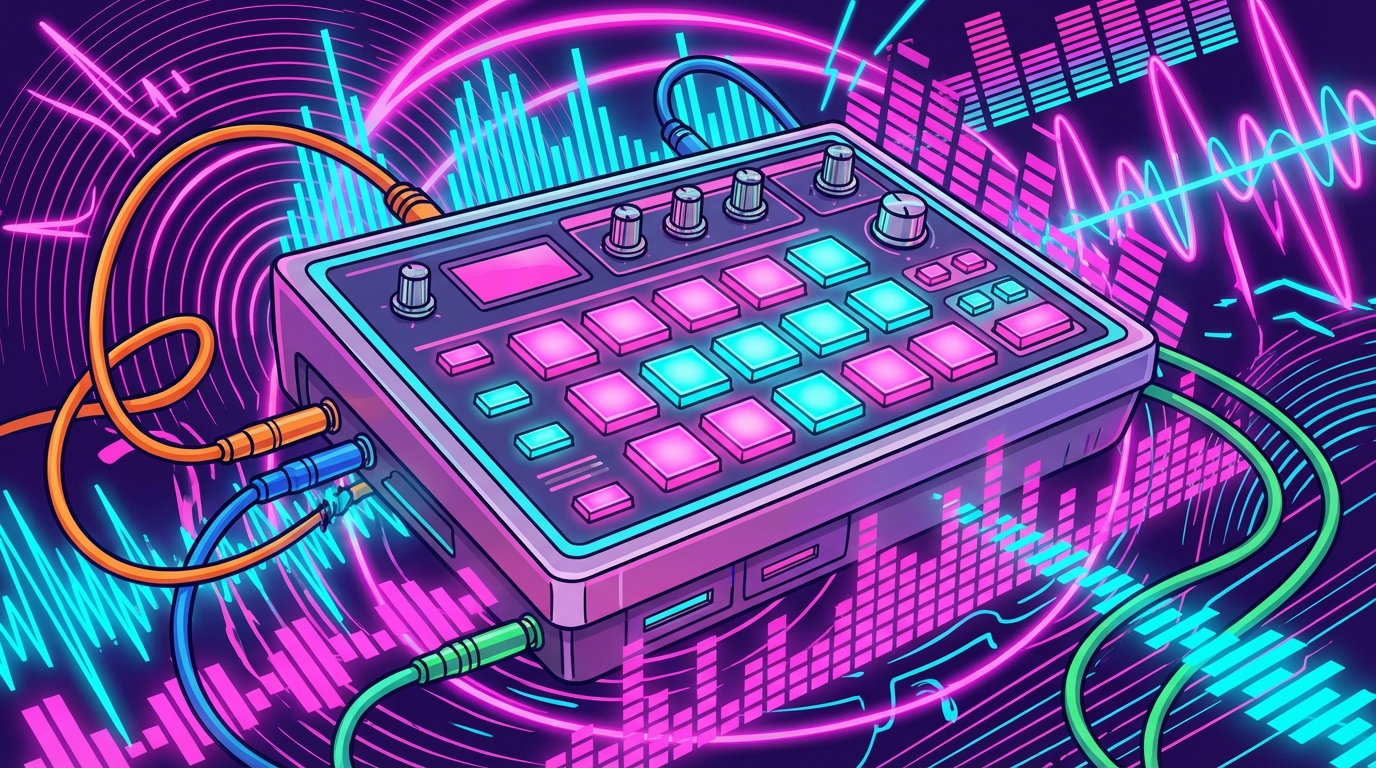
Picture yourself cruising down a neon-lit cyber highway, blasting beats that sound like they were forged straight out of a retro arcade cabinet. That is the undeniable magic of vintage drum machines, the chunky plastic boxes that basically invented modern dance music and hip-hop. You do not need a degree in audio engineering to appreciate a fat, booming kick drum that shakes your soul or a tinny snare that sounds like a robotic high-five. These classic rhythm makers are having a massive hardware revival right now, proving that sometimes the old-school analog circuitry just hits way harder than a modern supercomputer.
Before these glorious beat-boxes became the ultimate cheat code for pop music, they actually started out in the early 70s as cheesy rhythm blocks meant to awkwardly sit on top of your grandma’s living room organ. Fast forward a decade, and those synthetic thuds completely leveled up the music industry, becoming the final boss of absolute club bangers. Today, everyone is ditching their boring software screens to get their hands on these original beasts just to capture that raw, nostalgic energy. Pressing physical, glowing buttons on a retro groovebox simply remains the most satisfying way to drop a beat.
If you want to unlock the ultimate cheat code for that glorious neon-drenched synthwave sound, you need to face the final boss of beatmaking known as the Roland TR-808. Released back in 1980, this chunky analog box was originally supposed to sound exactly like a real human drummer. It failed at that mission in the most spectacular and hilarious way possible. Instead of realistic percussion, the machine spit out famously fake, room-shaking kicks and tinny snares that sounded closer to a retro arcade game than an actual drum kit. You might assume a gadget that bad at its primary job would get an instant game over.
Instead of fading into obscurity, those punchy, artificial thumps accidentally became the secret hardware sauce that powered an entire cultural movement. Producers quickly realized that the impossibly deep bass drops and snappy robotic claps hit way harder than any acoustic instrument ever could. Those delightfully synthetic beats leveled up the music industry overnight and accidentally birthed the foundations of hip-hop and electronic dance music. When you listen to basically any synth-heavy banger from that neon era, you are literally hearing the undeniable soul of this iconic rhythm maker. It took a massive commercial failure to completely rewrite the rules of pop culture.
Today, finding an original vintage unit in the wild is exactly like hunting for a legendary tier loot drop. The massive hardware revival in modern electronic music production proves that aspiring musicians still crave the unique magic of those old analog circuits. You do not need a fancy time machine to appreciate why this gear remains the undisputed king of the studio. Every time a track makes your car windows rattle with a massive sub bass, you are feeling the direct impact of the greatest happy accident in audio history. Grab your favorite neon windbreaker and turn up the volume, because the booming legacy of the 808 still dominates the high score board.
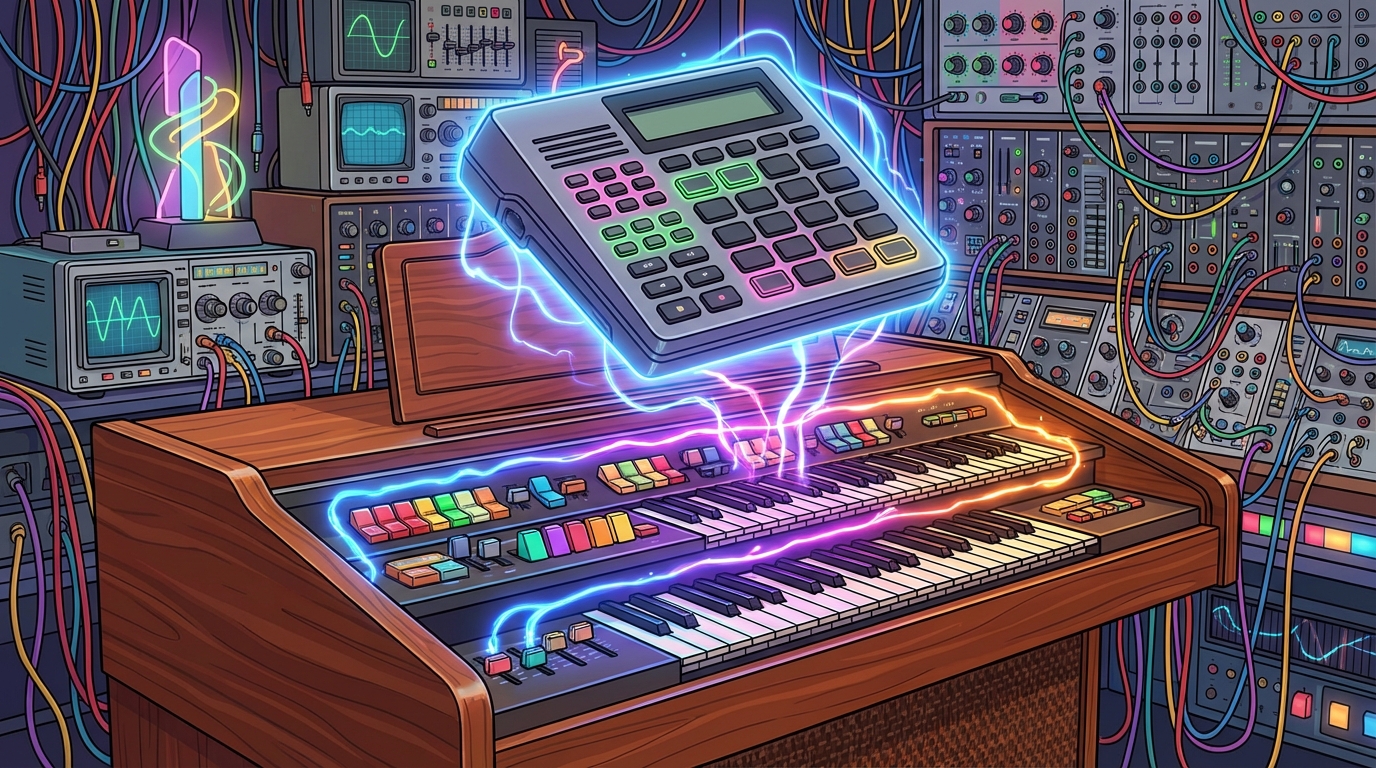
Picture a clunky wooden box sitting on your grandparents’ dusty living room organ. That is the infamous TR-77, the absolute grandpa of vintage drum machines that dropped back in 1972. You might expect it to pump out a cyberpunk club anthem, but it mostly just played polite waltz and cha-cha rhythms. It was basically an oversized metronome that sounded like a robotic cricket trapped in a tin can. Thankfully, the timeline did not stop there, because those humble bleeps and bloops were about to get a massive upgrade.
Fast forward a few years and the hardware world experienced a serious glow up. The polite lounge rhythms mutated into the aggressive, artificial thumps that power every legendary synthwave banger you know and love. You suddenly had access to booming kicks and snappy snares that sounded like they were forged in a neon-lit arcade. These plastic beatmakers became the ultimate cheat code for aspiring producers chasing that futuristic aesthetic. It was like swapping out a rusty bicycle for a glowing light cycle on the digital grid.
By the late eighties, you finally reached the final stage of the decade with the mighty DR-660. This transition era machine took all those classic analog vibes and cranked the stats to maximum. You were no longer just pressing a button and hoping for the best, because this heavy-hitting beast gave you actual pattern editing powers. It was the ultimate weapon for crafting those edgy, neon-drenched tracks that make you want to drive a sports car into a digital sunset. Armed with one of these bad boys, you held the literal heartbeat of the retro future right at your fingertips.
Stepping into the vintage hardware market is like entering a boss fight with no health potions. You are probably chasing that legendary TR-808 booming kick to give your tracks that authentic neon glow. Before you drop your entire quest reward on a piece of retro history, you need to watch out for shady sellers. The internet is absolutely flooded with scammers trying to trade you a dusty box of fried circuits for serious coin. Buying a classic beatmaker without doing your homework is a guaranteed game over for your bank account.
These legendary rhythm machines have been surviving since the golden age of arcades and big hair. Because analog gear is basically ancient technology at this point, you must demand a complete repair history from the current owner. Service documentation is your absolute best friend when navigating this wild wasteland of retro music gear. If a seller claims their magical 80s thump box works perfectly but has zero paperwork to prove it, you should run away immediately. A properly serviced machine means you get to spend your time making synth-heavy bangers instead of crying over broken wires.
Finding a well-documented machine is the ultimate cheat code for unlocking that iconic neon sound. Those punchy artificial thumps are the secret hardware sauce that gives classic dance music its soul. When you finally secure a verified piece of analog history, your production skills will instantly level up. Just remember to keep all those freshly acquired service receipts perfectly safe in your own inventory. Now you can finally start dropping those heavy retro beats and living out your ultimate cyberpunk fantasy.
You have officially reached the end of our totally radical time warp through the history of classic beatmakers. Those punchy artificial thumps are the absolute secret sauce behind every single neon-soaked synthwave banger hitting your playlist today. Even though decades have passed since the glory days of arcades and big hair, the true soul of the 1980s still lives inside these chunky plastic boxes. You do not need a time machine to travel back to the golden era when you have a booming retro kick drum at your fingertips. The magic of that iconic analog rhythm is just waiting for you to plug in and press play.
Consider this your ultimate digital high-five before you head back to your bedroom studio to cook up some serious retro heat. It is finally your turn to grab a slice of music history and start crafting your very own synthwave masterpiece. Just remember to keep your sunglasses on indoors and let those massive drum loops do the heavy lifting for your next boss battle soundtrack. Your future fans are already waiting to cruise down a virtual neon highway while blasting your fresh beats from their stereos. Now go forth and make those legendary drum machines proud by dropping the heaviest groove of the century.
Think of it as a chunky plastic box that basically invented modern dance music and hip-hop. Instead of using a real drum kit, you press physical, glowing buttons to create fat kicks and tinny snares that sound like a robotic high-five. It is the ultimate retro cheat code for dropping massive beats.
Sometimes old-school analog circuitry just hits way harder than a modern supercomputer. Ditching your boring software screen to press actual glowing buttons on a retro groovebox is just ridiculously satisfying. Plus, you simply cannot replicate that raw, nostalgic energy with a mouse click.
Believe it or not, the TR-808 was originally designed to sound exactly like a real human drummer. It failed that mission in the most spectacular and hilarious way possible. Instead of realistic percussion, it spit out famously fake, room-shaking kicks that accidentally leveled up the entire music industry.
You absolutely do not need any fancy audio degrees to make these machines sing. You just need to appreciate a booming kick drum that shakes your soul. Punching in a beat is as easy as mashing buttons on your favorite arcade cabinet.
Before they became the final boss of club bangers, they actually started out in the early 70s as cheesy rhythm blocks. They were originally meant to awkwardly sit on top of your grandma’s living room organ. Fast forward a decade, and those synthetic thuds completely took over pop music.
If you want to unlock the ultimate cheat code for that retro sound, you need to face the Roland TR-808. This chunky analog box is basically the undisputed king of neon-lit cyber highway vibes. Just fire it up and let those punchy, artificial thumps carry you straight back to 1980.
These glorious plastic beasts basically invented the modern hip-hop sound. The room-shaking, synthetic bass kicks give your tracks a massive, booming energy that modern plugins just cannot match. You will instantly feel like a legendary beatmaker the second you hit play.