
If you’re tired of clicking a mouse until your hand cramps and want to feel like a neon-drenched hero in a sci-fi flick, you’ve probably wondered who should buy analog synths. These glowing machines are for the dreamers who want that thick, “fuzzy blanket” sound that only real electricity can provide. It’s about ditching the spreadsheet vibes of a computer screen for a physical dashboard of knobs that looks like it belongs on a starship.
You deserve a studio that feels alive, where every little twist of a slider creates a “happy accident” that sounds like pure magic. Analog gear is perfect for anyone who wants their music to have that retro soul and a bit of unpredictable character. Whether you’re chasing the ultimate synthwave bassline or just want to feel the hum of actual circuits, grabbing one of these instruments is an absolute power move for your creativity.
If your idea of a good time involves staring at a glowing spreadsheet for eight hours, then by all means, keep clicking that mouse. But if you are tired of your studio feeling like a boring cubicle job, it is time to embrace the physical world of knobs and sliders. Analog synths offer a “one knob per function” layout that transforms sound design from a chore into a high-speed arcade game. You can grab a filter cutoff with one hand and crank the resonance with the other, feeling the electricity flow through the circuits like you are piloting a starship through a neon nebula. It is about getting your eyes off the screen and your hands onto something that actually fights back with grit and personality.
Software plugins are great for your wallet, but they rarely spark that “mad scientist” energy that leads to your next big hit. When you use hardware, you are trading the endless scrolling of sub-menus for a tactile workflow that rewards intuition and muscle memory. You will find yourself twisting dials and stumbling upon “happy accidents” that a mouse cursor simply cannot replicate. This hands-on approach is perfect for anyone who wants to actually play their instrument rather than just program it. Here are a few reasons why ditching the mouse will level up your creative game:
There is a certain magic in the unpredictability of physical components that makes your music feel alive and breathing. Analog gear has a way of adding subtle warmth and pitch drift that fills the room, making your tracks sound like they were pulled straight from a dusty 1982 VHS tape. You do not need to spend hours clicking through “analog warmth” presets when the actual hardware provides that fuzzy, saturated goodness the second you flip the power switch. Investing in a real synth is not just a gear purchase, it is a commitment to making music that feels human, slightly chaotic, and undeniably cool. Your wrists will thank you for the break from the clicking, and your ears will thank you for the pure, unadulterated vibes.
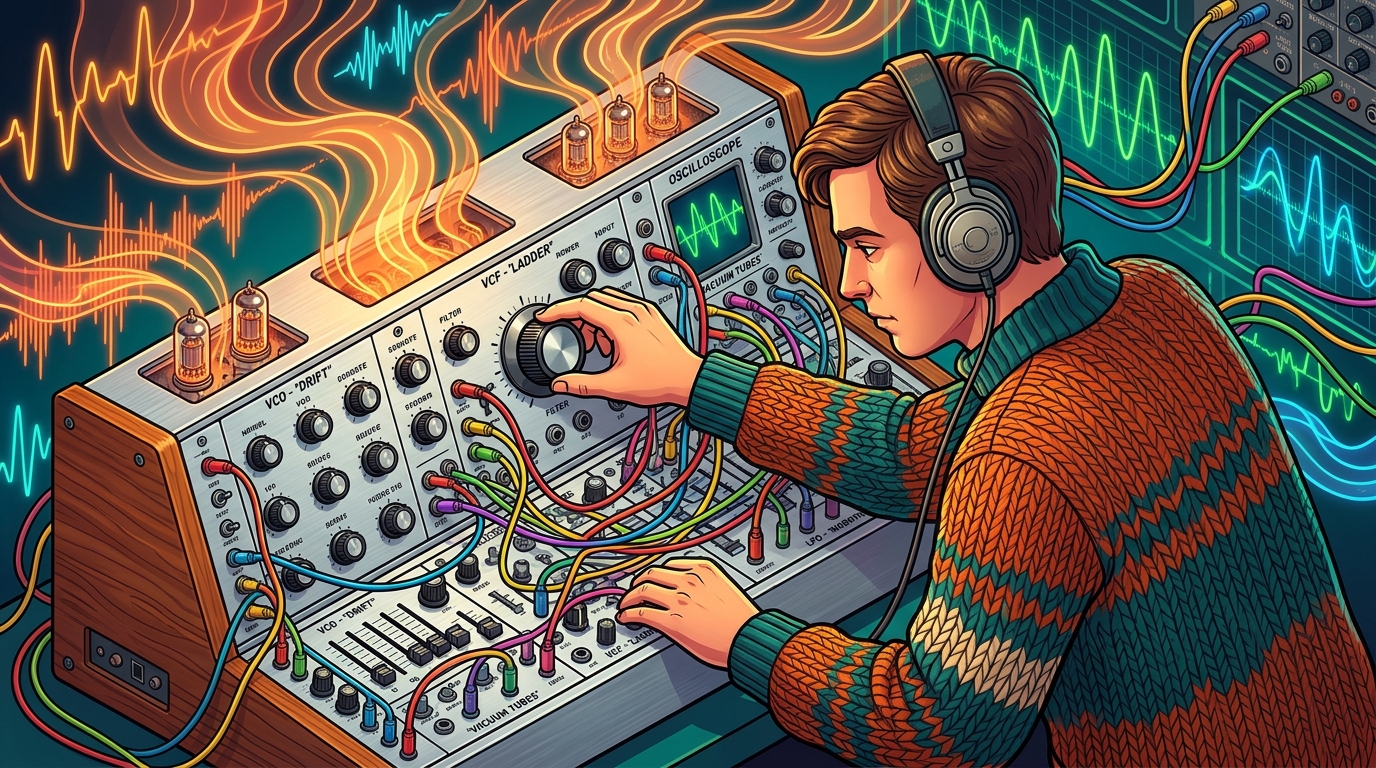
If you find yourself staring at your computer screen feeling like a bored office worker instead of a neon-soaked synth god, it might be time to ditch the mouse and embrace the voltage. Analog synths are for the creators who crave that thick, juicy sound that feels like a warm hug from a robot. You should consider making the leap if you want your basslines to rumble your soul and your leads to scream with a fuzzy, saturated personality that software just cannot quite mimic. It is all about that organic magic where the electricity feels alive, almost like the instrument is breathing along with your track.
Choosing hardware is a major vibe check for your studio workflow and your creative sanity. You are the perfect candidate for an analog machine if you prefer twisting physical knobs over clicking through endless digital menus. There is a certain level of “happy accidents” that happen when physical circuits start to heat up and get a little bit moody. You will love this gear if you want to experience these specific perks:
Think of an analog synth as a classic muscle car in a world full of sleek electric scooters. It might be a little unpredictable and it definitely has its own quirks, but that is exactly why it sounds so cool. You are not just buying a tool, you are buying a partner in crime for your late-night sound design sessions. If you want your music to have that dusty, retro-future aesthetic that defines the best synthwave soundtracks, stop overthinking the technical specs and start chasing the warmth of real electricity.
If you find yourself clicking through endless sub-menus on a screen just to change a basic sound, you are probably sucking all the joy out of your creative session. Analog gear is for the dreamer who wants to reach out and grab a physical knob to see what happens when they crank it to eleven. You do not need a degree in electrical engineering to enjoy the chaos of a patch cable that suddenly turns a polite hum into a screaming laser beam from a vintage sci-fi flick. It is all about that hands-on magic where you are less of a computer programmer and more of a mad scientist in a neon-lit basement.
The real beauty of going analog is found in the glitches and drifted tuning that software tries so hard to fix. When your hardware gets a little warm and the oscillators start doing their own thing, you end up with “happy accidents” that no plugin could ever replicate on purpose. You are buying an instrument that has a personality, sometimes a moody one, which forces you to collaborate with the machine rather than just commanding it. It is the perfect choice if you want your music to feel like a living, breathing creature rather than a static file on a hard drive.
Think of an analog synth as a physical playground where the rules of physics actually matter. Instead of scrolling through thousands of presets that everyone else already owns, you get to build your own sonic universe from scratch. This is for the person who values the journey of discovery over the efficiency of a shortcut. If you want your studio to feel like the bridge of a starship, it is time to put down the mouse and start twisting some real-world dials.

If you are tired of your tracks sounding like they were born in a sterile lab, it might be time to level up your signal chain with some real-deal hardware. High-end producers and film composers treat analog synths like the secret sauce that turns a basic demo into a cinematic masterpiece. While your laptop is great for checking emails and watching cat videos, it often struggles to replicate the organic “grit” and electrical soul of a physical machine. Investing in analog gear is basically like trading in your standard-definition TV for a neon-soaked, 4K experience that makes every note feel three-dimensional. You are not just buying a tool, you are acquiring a piece of gear that adds instant prestige and that “expensive” sound to your professional portfolio.
Think of an analog synth as the final boss of your studio setup, providing a level of sonic depth that software simply cannot mirror. When you are scoring a sci-fi epic or a moody synthwave track, the subtle pitch drift and warm saturation of real circuits create a vibe that feels alive. These machines have a way of filling up the frequency spectrum so your mixes feel “finished” before you even start adding plugins. It is about moving away from the mouse and keyboard to reclaim your throne as a sonic wizard who values character over convenience. Plus, let’s be honest, a wall of glowing knobs and blinking lights makes you look like a total genius during client meetings or studio tours.
Deciding to drop some serious gold on a hardware synth is a major milestone in your journey from a bedroom producer to a studio pro. It is the point where you decide that “good enough” is no longer the vibe and you want your audio to have its own unique DNA. By integrating these machines into your workflow, you are ensuring that your sound stands out in a crowded market full of people using the exact same digital packs. You are essentially building a sonic fortress that protects your creative identity and gives your clients that high-end, premium experience they are paying for. Embrace the glow of the vacuum tubes and let your tracks bask in the warm, fuzzy glory of pure analog beats and electricity.
Deciding to go analog is basically choosing to live your best synthwave life, but your bank account needs to be ready for the ride. If you are the type of person who stays up late staring at neon grids and dreaming of that fat, fuzzy bass that feels like a warm hug from a robot, then hardware is calling your name. While software plugins are great for staying organized, they just do not offer that sweet, sweet tactile joy of twisting a physical knob to make a filter scream. You should jump into the analog world if you want to master the art of creating synthwave music and move away from the computer screen for a while.
Investing in these glowing boxes of circuitry is perfect for anyone who loves a bit of chaos and “happy accidents” in their music. Analog synths have a soul of their own, featuring tiny pitch drifts and organic warmth that make your tracks sound like they were pulled straight from a dusty 1984 VHS tape. You do not need a degree in rocket science to enjoy them, you just need a desire to get your hands dirty and move away from the computer screen for a while. It is about the vibe, the glowing lights, and the feeling the music with your fingertips in a world that is increasingly digital and intangible. Understanding Yamaha DX7 synth history can help you appreciate why many producers eventually return to analog after exploring the digital revolution of the 80s.
If you are ready to stop scrolling through presets and start building your own retro empire, it is time to make your creative space look as cool as it sounds. You can easily Upgrade Your Workspace With Retro Futuristic Office Supplies to ensure your environment matches the high-energy aesthetic of your new gear. Discover how professional design services can help you create the ultimate neon studio command center by checking out our latest collections today. Taking that final leap into the analog lifestyle is much easier when your desk looks like it belongs on the bridge of a starship. You might even find yourself wondering is buying a vintage synthesizer actually worth the high price tag and maintenance required to keep music history alive.