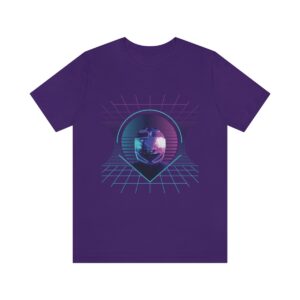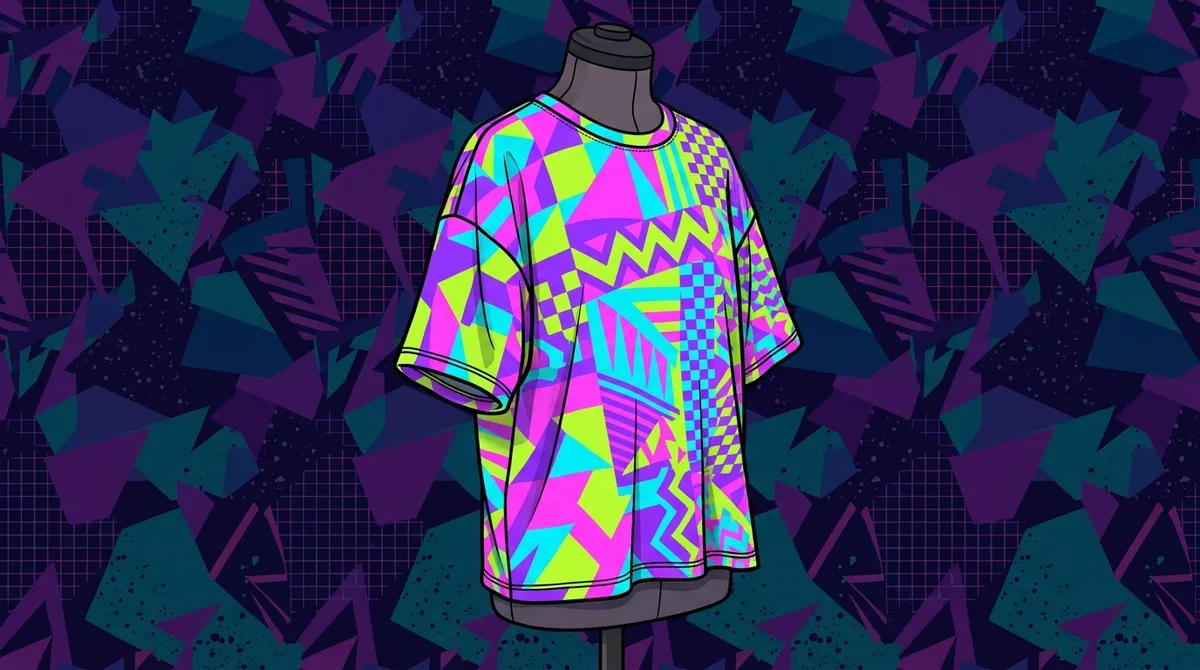
All-over-print shirt sizing has no single universal chart, so a medium from one brand can fit like a small from another. One print-on-demand brand’s women’s AOP tee runs from XS to 4XL, while another’s men’s crew neck tops out at 2XL. Before you order, check the size chart on each Retrowave product page and compare it with a shirt you already love.
Those chart numbers are product measurements, not body measurements. One women’s AOP chart lists chest width from 15.50 to 16.50 inches in XS up to 26 to 27 inches in 4XL. Fabric changes the fit too. One brand’s men’s AOP blend is 93% polyester and 7% elastane at 240 g/m², and its stretch decides how snug it feels. For the bigger picture, ISO 8559-2:2025 covers body-based size designation, but it doesn’t make letter sizes interchangeable between brands.
Picture this: you pull on your favorite hoodie and it fits like a warm hug. Then you slip into a tee in the same letter size and feel like a neon sign that someone plugged in backward. Welcome to the wild world of all-over-print shirts.
The reason starts before the shirt is even a shirt. Most AOP tees get their design printed onto a large sheet of fabric first. Only after that are the pieces cut and sewn into a finished garment. A regular tee is cut from plain fabric and printed afterward, so its seams never have to line up with a picture. With AOP, the artwork is already there when the scissors come out. That means the print can land a little higher or lower, or shift slightly sideways, from one shirt to the next. Your sunset grid might look perfect on one tee and wander a bit on another.
Fabric adds another twist. A common AOP blend is 95% polyester and 5% spandex at 190 g/m², which is lighter than many heavier tees. Lighter, stretchier fabric drapes and clings differently, so the same measurements can feel roomier or snugger.
There is also no universal AOP size range. Every brand draws its own lines, so an M from one maker may sit like an L from another. Even when the letter matches, don’t assume two AOP tees will feel the same. It’s like two copies of the same synthwave track: the title is identical, but the mix can hit very differently.
So before you hit “order,” treat the letter as a starting point, not a promise. Let’s get your measuring tape out and find your perfect neon fit.
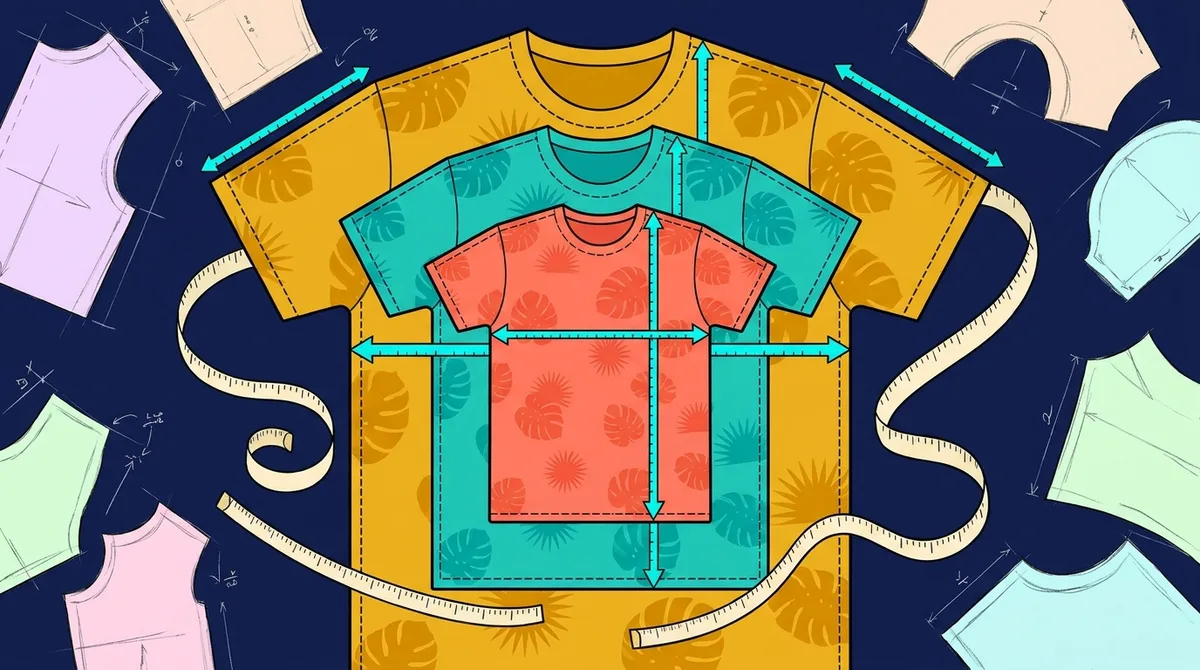
AOP size charts list the measurements of the shirt itself, not the body that will wear it. A number on the chart describes the garment, so a chest width of 26 inches means the tee is 26 inches across, not that your chest is. The same goes for length. On one women’s AOP chart, garment length climbs from 25 inches in XS to 34 inches in 4XL, so bigger sizes get longer as well as wider. A shirt that looks right in width can still hang lower than you expect.
Most charts cover a few basic measurements, usually:
Letter sizes are where things get messy. Each brand sets its own ladder, so an XL from one maker is not guaranteed to match an XL from another. Body-based sizing does have an international reference. ISO 8559-1:2017 defines the body measurements used for clothing sizes, and ISO 8559-2:2025 specifies the body-measurement indicators for clothing size designation. ISO 18890:2018 describes a standard method for measuring the garment itself. None of these makes a retailer’s letters interchangeable, so the standards explain how sizes should be built but not how every brand labels them.
Think of the chart as the liner notes for your shirt. It tells you what is actually in the box, so it’s worth reading before you hit play.
Think of this as a shirt lineup, the fun kind where your favorite tee gets to be the reference track. You only need a flat surface, a soft tape measure, and a shirt you already love wearing.
Here is how the lineup goes:
Sometimes two sizes land almost on top of each other. The chart describes the garment, not your body, so there is no single correct answer. Pick the size that matches how you like your shirts to sit. If you want a roomy, slouchy drape, go with the larger option. If you prefer a closer fit through the body, the smaller one will likely suit you better.
Keep the fabric in mind too. A tee with more stretch can feel snugger than its numbers suggest, while a stiffer blend may hold its shape and look roomier. If your reference shirt is a snug favorite, lean toward the size that matches its chest width instead of relying on the letter alone.

How oversized an AOP shirt feels depends mostly on its fabric. Weight, stretch and fit style decide whether a tee hangs loose or hugs your shape, so the letter on the tag tells you only part of the story.
Heavier fabric holds its structure and drapes more stiffly, which can make a shirt look roomier even when the measurements match. Stretch works the other way. A blend with spandex or elastane gives with your movement and springs back against your body, so the same chest width can feel snugger than the chart suggests.
Here is how the three tees compare:
| Tee | Fiber | Weight | Fit and feel |
|---|---|---|---|
| Common AOP blend | 95% polyester, 5% spandex | 190 g/m² (5.6 oz/yd²) | Light and stretchy. Clings and moves with you, so it can feel snugger. |
| Heavier AOP crew neck | 93% polyester, 7% elastane | 240 g/m² (7.08 oz/yd²) | Two-way stretch with more body. Holds its shape and can look fuller through the chest. |
| Retrowave Blue Rays AOP t-shirt | 100% polyester | Available in 4.0 oz and 6.0 oz fabrics | Regular fit, tagless, and runs true to size. |
The Blue Rays tee has no spandex or elastane in its fiber content, so its fit depends on the chart and the fabric weight you choose. Because it runs true to size, a size that fits your favorite shirt is a solid starting point. Pick the 6.0 oz fabric if you want a sturdier drape, or go lighter if you prefer a closer, more relaxed feel.
Before you order, check the fiber content and weight on the product page next to your reference shirt’s measurements. A stretchy tee in your usual size may fit tighter than you expect, while a heavy tee in the same size may hang more loosely. Matching the fabric as well as the numbers gets you much closer to the fit you want.
If you ordered the wrong size, you can still change or cancel, but only within a short window after you place the order. Changes and cancellations must be requested through Retrowave customer service, so don’t wait around hoping the problem will sort itself out.
The clock runs fast. Once your order has been processed, a change may not be possible anymore, so it’s like a cassette that starts rolling the moment you press play. If you spot a sizing mistake right after checkout, reach out right away.
If the shirt has already arrived and the fit is off, you may still have a return option. Most items can be returned within 30 days of receipt, as long as they are in new condition. The 30 days start when your package arrives, not when you clicked “buy,” so check the date on your delivery and plan from there.
The easiest way to avoid all of this is to get the size right before you order. Then compare the chart’s chest width and length with a shirt you already love. Jot the numbers in your notes app so you can check them while you shop. Keep in mind that a stretchy blend may fit snugger than its numbers suggest, and a heavier one may hang looser. Taking two minutes now beats a return trip later, and it means your neon design shows up looking the way you pictured it.
Order one shirt per person, sized to each wearer’s chest width and length, and add one spare in the size your group needs most. Gift orders are the hardest, because you may not know the recipient’s measurements, so start by thinking about who will wear each shirt.
Ask yourself whether each person likes a snug fit or a relaxed, slouchy one. Someone who lives in oversized tees will usually want the larger size that matches their reference shirt, while someone who likes a closer fit should go with the smaller option. If you can’t ask, a shirt they already own is the best clue you have.
Once you know the preference, work through each name one at a time:
Even when two people share a letter size, the shirts can still fit differently. That’s why an extra shirt in the most common size is a smart move for a mixed group. If one tee sits a little differently or someone’s fit lands between two sizes, the spare gives you a backup without reordering the whole set.
Product page reviews can also help. Other buyers often describe how a size felt on their body, whether it ran roomy or snug, and how the fabric behaved after a few washes. Read a few reviews for the exact design you’re considering, and look for comments from people whose build or fit style is close to your recipient’s.
Grab your favorite shirt, a soft tape measure, and a notes app, and get your numbers before you shop. Write down the chest width and length, then head to the product page of the neon design you’re eyeing.
Open the size chart and find the row whose chest width and length sit closest to your shirt’s numbers. Check the fiber content and fabric weight too, so you know whether you’re getting a stretchy hug or a sturdier, roomier drape. Prices vary by product, so always check the current figure on the product page before you buy.
Retrowave ships to most countries, but shipping costs and delivery times depend on where your order is going. Look up your destination before you commit, especially if the shirt is a birthday gift with a hard deadline.
Once your numbers match a size, place the order before the processing window closes. If anything still feels uncertain, contact Retrowave with your measurements, or while you wait for your package, check out “Retro Console Recap Cost: DIY Prices, Pro Services, And Hidden Extras” for more retro fun.