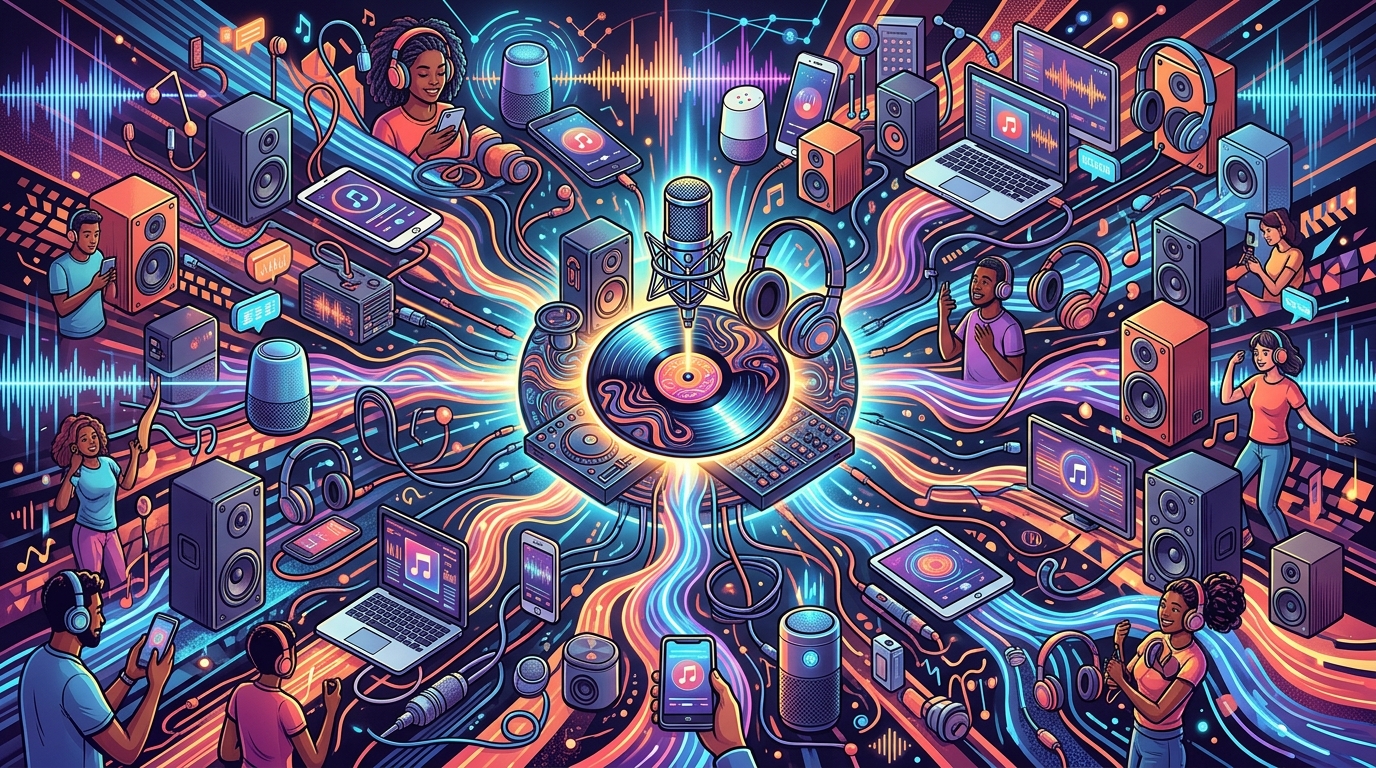
Your song is finished, the neon is glowing, and now it needs to escape your hard drive. A music distribution service sends your tracks to streaming platforms, social apps, and digital stores, basically the warp pipe from bedroom studio to global audience. With paid streaming accounts reaching 837 million worldwide in 2025, there is a very real crowd waiting to press play.
The catch? Not every distributor handles fees, royalties, release timing, and platform reach the same way. You want a service that gets your music where listeners already hang out, reports usage clearly, and pays you without turning your earnings into an 8-bit mystery. Choose wisely, level up, and let the algorithm do its little dance.
A music distribution service sends your finished tracks to streaming platforms, video services, social apps, and digital stores without requiring a record-label boss battle. You upload your audio, artwork, credits, and release details in one place, then the service delivers everything across the digital galaxy. In other words, you can launch your song from a bedroom studio instead of waiting for a mysterious executive in sunglasses to press the big red button. Your music gets a chance to meet listeners wherever they stream, scroll, dance, or accidentally discover their next obsession.
Digital distributors and aggregators usually handle delivery, platform updates, usage reports, and royalty collection, while label-style release tools may add extras for teams managing several artists or campaigns. As you compare services, check the pricing model, royalty split, release timing, store coverage, copyright tools, and support options. Some plans focus on simple uploads, while others include scheduling, automatic splits, analytics, and promotional features that feel like a neon control panel for your career. The best fit depends on whether you need a quick one-song launch or a full command center for your growing catalog.
Before choosing, make sure the service matches your release habits and leaves you in control of your music. Look for clear terms about ownership, takedowns, payment schedules, and how your tracks are handled if you cancel. A smooth submission process can save you from last-minute metadata glitches, missing credits, and the digital equivalent of a boss fight with three health bars. With the right setup, you can move from final mix to worldwide release with less paperwork and more time for making noise.
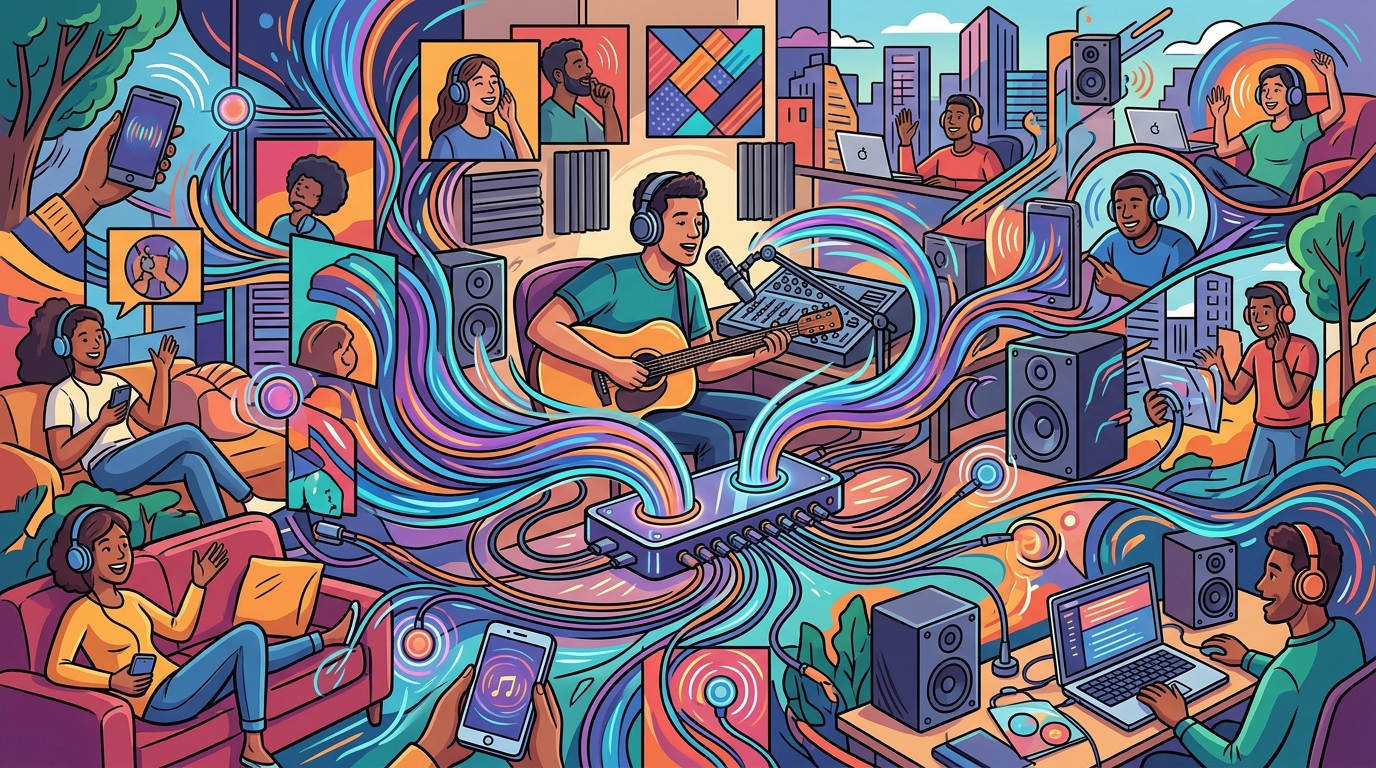
A music distribution service turns your finished track into a release that can travel across major streaming platforms, download stores, and social music apps. You upload your audio files and cover art, then choose a release date that gives you enough time to plan your posts, videos, and neon-lit countdown campaign. Next, you add metadata such as the song title, artist name, contributors, genre, language, and songwriter details. Think of it as entering the cheat codes correctly before pressing START, because small mistakes can cause delays or messy credits.
After you submit the release, the distributor checks your files and delivers them to the selected platforms. You can usually track the release status, manage your catalog, and review basic performance data from one dashboard instead of hunting through a dozen digital arcades. When listeners play your music, those platforms send usage reports to the distributor, showing where and how often your tracks were used. The distributor then applies its payment rules, including any subscription fees or commission, and sends your share to your account.
When comparing a music distribution service, look beyond the upload button and inspect the full package. Check delivery coverage, release scheduling, royalty payouts, reporting tools, support, and whether you keep control of your recordings. Some services offer extra tools for pre-save campaigns, playlist pitching, or social promotion, which can help your release escape the dreaded internet void. The right setup turns streams into real money in your pocket, not mysterious arcade tokens flashing on a high-score screen.
A strong music distribution service should place your release on major streaming and download platforms, while also sending it to social networks for short-form videos, stories, and posts. Look for coverage beyond the usual neon highways, including regional services popular in Asia, Africa, Latin America, and other markets where your listeners may already be hanging out. More platforms can mean more discovery, but only if your music appears with the correct artist name, artwork, credits, and release date. Nobody wants their new single trapped in a digital loading screen like a forgotten arcade game.
Delivery speed varies, so check whether releases reach stores in a few days or need one to several weeks for review and processing. If you want a clean launch day, choose a service that lets you schedule releases and create pre-save links before the track goes live. Those links give fans an easy “press start” button for saving your song on supported platforms, while early delivery gives stores time to approve the release. Build in extra time for weekends, edits, and the occasional mysterious platform boss battle.
Your distributor should also explain how content identification works, especially for video and social platforms that scan uploads for matching audio. This can help track eligible uses of your music, but you should understand how claims, monetization, samples, and approved uses are handled before switching anything on. Takedowns matter too, so check whether you can remove a release yourself, how long removal takes, and whether it disappears from every store or only selected platforms. The best service helps your music show up wherever your audience scrolls, streams, dances, or searches, instead of making fans hunt for it like a lost cartridge.
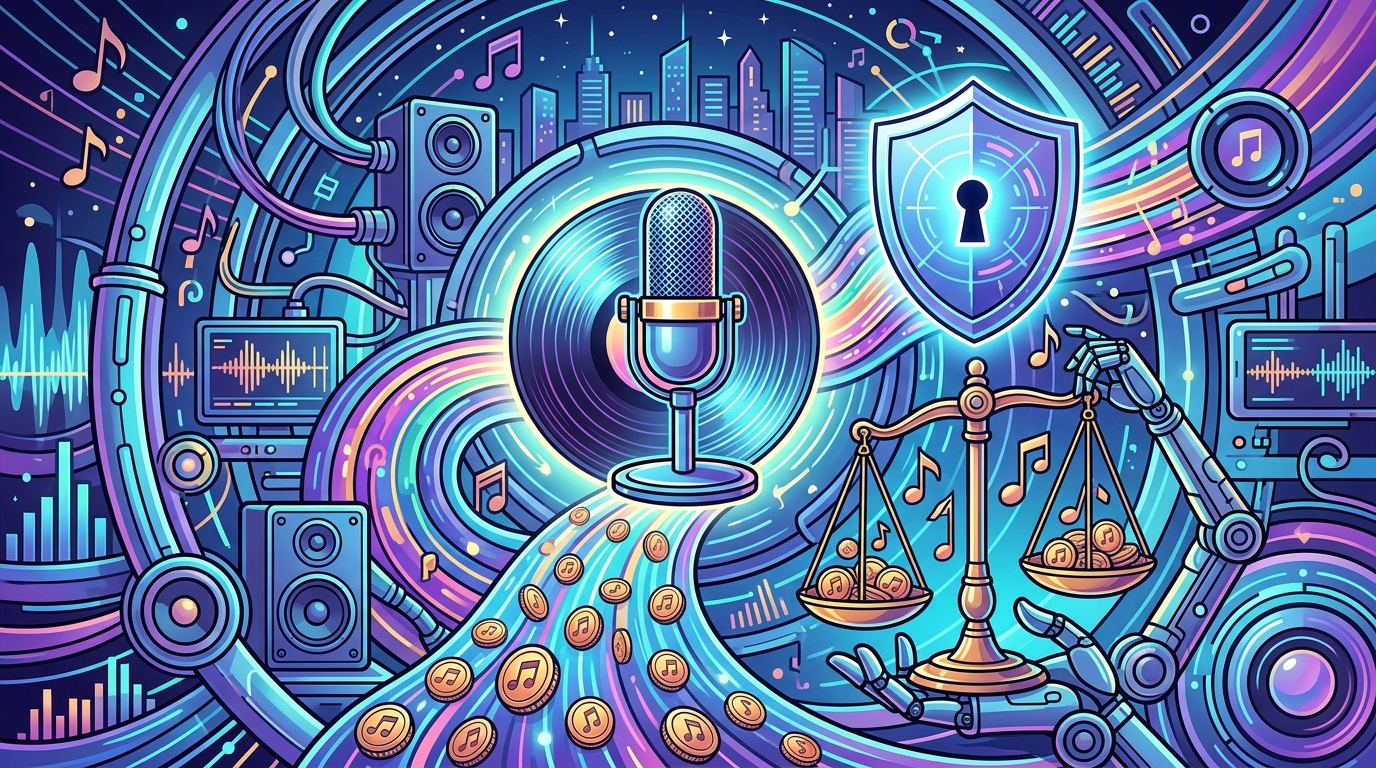
A music distribution service may charge a yearly subscription, a fee for each release, or a percentage of your royalties. Subscription plans can make sense if you drop music often, while per-release pricing may suit your one-big-single era. Commission models take a cut after your music earns, so compare the long-term math instead of chasing the shiniest neon sign. Check payout thresholds, payment processing fees, currency conversion costs, and charges for extras such as faster delivery, promotional tools, or store takedowns. The cheapest entry point is not always the cheapest route once your catalog starts leveling up.
Before you click upload, confirm that you keep ownership of your master recordings and understand exactly what rights you grant the service. Your master is the finished recording, while publishing royalties relate to the song itself, including its melody, lyrics, and composition. If you wrote with collaborators, agree on splits in writing and make sure the correct percentages are submitted, or future payments can turn into a boss battle nobody queued for. A distributor may collect certain royalties from platforms, but it usually does not replace a publishing administrator or solve missing songwriter registrations. Read whether your deal is nonexclusive, how long it lasts, and what happens to your music if you cancel.
“100% royalties” sounds like the ultimate power-up, but it may only mean the service does not take a commission from the royalties it receives. You could still face subscription costs, payment fees, taxes, minimum payout amounts, or optional charges for faster delivery and extra promotion features. Some plans also limit stores, releases, artist profiles, or access to reporting tools, so inspect the fine print before choosing your loadout. Look for clear statements about ownership, payment timing, rights, territory coverage, and how disputes or takedowns are handled. A transparent music distribution service lets you focus on the music instead of hunting through legal text like it is a cursed 1980s cartridge.
The right music distribution service should fit your release plan, not just flash the brightest neon button. Start by checking which streaming stores, social platforms, and regional services it reaches, then compare delivery times, pre-save tools, scheduling options, and support for singles, EPs, and albums. A service built for monthly releases may be ideal for a steady stream of singles, while a growing catalog may call for better bulk tools and clear ways to manage many tracks. Before you press start like a hero entering the final boss fight, review these essentials:
Your budget and payment terms deserve a close look because a low entry price can hide extra fees, limits, or slower payouts. Compare subscriptions, per-release charges, commission structures, renewal costs, and whether you keep your rights and royalty share. Analytics should help you make decisions, such as where listeners find you, which songs hold attention, and when your audience is most active, instead of serving up a glowing dashboard with no map. Check whether reports are easy to understand and whether payments arrive on a schedule you can plan around. Choose a setup that keeps your wallet and your release calendar out of the 1980s arcade cabinet.
Customer service matters most when a release is stuck, metadata is wrong, or a platform rejects your cover art five minutes before launch. Look for clear help guides, human support, realistic response times, and tools for fixing mistakes without starting the whole quest over. Promotional features can add value, but treat them as power-ups, not magic spells, because no button replaces strong music, good timing, and consistent promotion. Match the service to your catalog size, release frequency, budget, and long-term goals, then test the workflow with one release before moving everything over. The best choice should make distribution feel like a reliable synthwave highway, not a neon maze with one suspicious exit.
The right music distribution service puts your tracks on major listening platforms, from streaming apps to social video channels, without making you surrender your rights. Look for clear fees, royalty terms, release timelines, and useful reporting, so you know where your music lands and how it performs. A good distributor should also let you control your release date, credits, artwork, and takedown choices, because your catalog is not a free trial item from the bargain bin. With those controls in place, you can build a release strategy that fits your goals, whether you are dropping one neon single or powering up a full album campaign.
Before you choose, compare services based on platform reach, payment rules, support, and tools for pitching or promotion. Then prepare accurate metadata, including your artist name, song title, writers, genre, cover art, and release date, since tiny errors can send your track into digital limbo. The process may feel like a final boss battle, but the right checklist makes it much easier. Compare services, prepare your metadata, and launch your next track like it just unlocked the final synthwave level.
Choosing the right music distribution service helps you send your tracks to major streaming, video, and social platforms without manually feeding every digital jukebox. Look for clear pricing, reliable release scheduling, wide platform coverage, easy royalty reporting, and support that does not vanish into the neon fog. You should also check how each service handles ownership, takedowns, metadata, multiple artists, and payments before you press the big red launch button. With paid streaming subscriptions driving a major share of the global music market, a smart distributor can help your songs reach listeners wherever they are pressing play.
Once your release is live, distribution is only the start of the quest, not the final boss. Use accurate credits and artwork, submit your music early, promote your release across social channels, and track your results so you can improve the next drop. If you also need music for a game, film, or creative project, explore our guide to music licensing services for creators and filmmakers to discover how we can help you find the right sound. With the right plan, your music can move from bedroom demo to worldwide synthwave transmission without needing a teleportation cheat code.