A music sync license comparison can feel like choosing the right power-up in an ’80s arcade game, but the wrong pick may freeze your project faster than a bad VHS tape. Before your song hits the screen, you usually need permission for two separate pieces: the composition and the specific recording. One covers the music and lyrics, while the other covers the master recording. Clearing only one is like bringing one roller skate to a dance battle.
Compare what each license covers, who controls the rights, where your project can appear, how long permission lasts, and what the fee includes. Because these rights are usually negotiated directly, the details can change from one neon-lit deal to the next. Understanding the differences helps you avoid surprise costs, missing permissions, and a soundtrack-shaped boss fight at the finish line.
A music sync license comparison helps you match the right permission to your project before the legal boss battle starts. A sync license covers the underlying song, including its melody and lyrics, while a master-use license covers the specific recording you want to place in your video, ad, stream, or game. Think of one track as a neon arcade game with more than one level: clearing the song gets you past Level One, but using a particular recording may require the master-use key. You typically negotiate both rights with the relevant copyright owners, since neither is automatically included just because you found the track online.
Your best route depends on what you are making, where people will see it, and how long the music will run. A filmmaker may need rights for a scene and selected territories, while an advertiser often needs broader coverage for campaigns, paid media, and a set time period. Video creators and streamers should check whether their license allows platform uploads, monetization, edits, and repeated use. Game developers may need rights covering interactive playback, downloads, and multiple versions of the game. Comparing these terms side by side keeps your project from unlocking a surprise “Game Over” screen after launch.
Before choosing a licensing package, compare the song rights, recording rights, media types, territory, duration, audience, and editing permissions. A pre-cleared package can simplify the process when you need fast, predictable coverage, but you should still confirm exactly what it includes. If you want the original recording, make sure the master is covered. If you plan to create a cover or new arrangement, confirm the composition rights separately. With the right permissions lined up, your soundtrack can stay loud, legal, and gloriously synthwave.
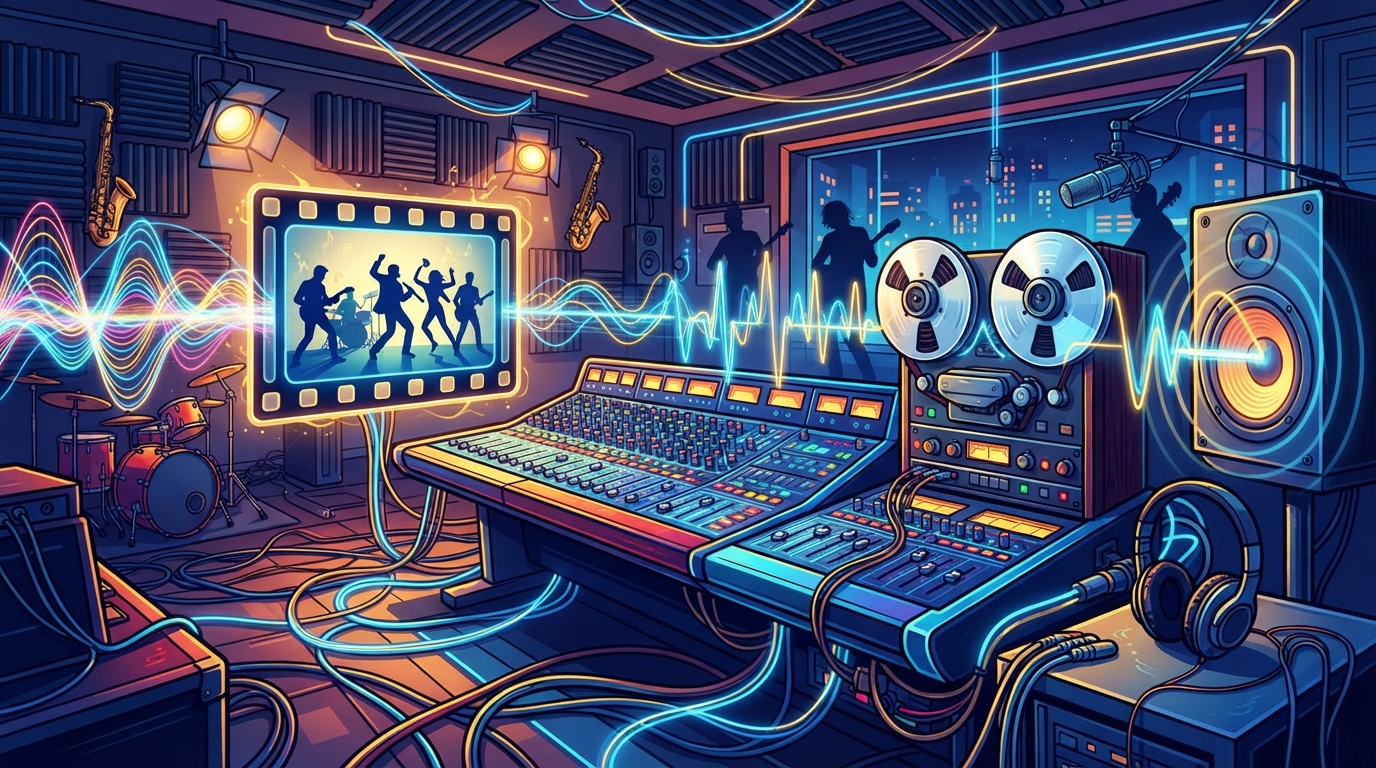
A synchronization license covers the underlying song, including its melody, lyrics, and arrangement. You usually get it from the songwriter, music publisher, or rights administrator. A master-use license covers one specific recording of that song, such as the version on an album, and it typically comes from the artist, record label, or master owner. If your video, commercial, game, or streaming project uses both the song and an existing recording, you need both licenses. One key alone will not unlock the whole neon arcade door. Neither license is a universal pass, so terms, fees, territory, project type, and length of use are usually negotiated directly.
Commissioning a new recording can help you skip the master-use license for the original track, since you are using a fresh performance instead of that familiar recording. You would still need a synchronization license for the composition, unless you have separately secured those rights or created entirely original music. The new master should also be covered by a clear agreement explaining who owns it and how you can use it in ads, videos, or streaming releases. This route may give you more control over the sound and budget, while letting you remix the vibe like an ’80s training montage without triggering the original master’s permission screen.
A music sync license comparison starts with one important distinction: public-performance rights are not the same as sync or master-use permission. Performance rights cover playing a composition for an audience, such as on television, at a venue, or through a streaming service. Royalties may flow through the relevant rights organizations. A sync license lets you pair the composition with moving images, while a master-use license covers the specific recording you want to use. In ’80s arcade terms, performance rights get the speakers powered on, but sync and master rights let your video press Start.
For television, online video, and streaming platforms, you may need both the composition sync license and the recording’s master-use license before your project can legally use a track. Clearing only the composition does not give you permission to use a famous recording, and clearing only the master does not cover the underlying song. Social media can add another plot twist, because a platform’s music agreements may cover some user activity but not every brand video, advertisement, territory, or campaign. Always check whether your permission covers the exact platform, audience, territory, length of use, and paid promotion involved.
Paying for one license does not unlock every distribution channel, because copyright loves hidden bonus rounds. A television clearance may not include social ads, a streaming release may not include paid online campaigns, and a personal post may not cover commercial use. When comparing music sync licenses, look for a package that clearly spells out sync, master-use, performance, media, territory, and term rights. Then match those permissions to your release plan. That little checklist can save you from a neon-lit legal boss battle after your video is already live.

A useful music sync license comparison starts by separating the two rights you may need: the sync license for the song’s music and lyrics, and the master-use license for the specific recording. Think of them as two keys needed to unlock one neon arcade door, because clearing only one can leave your video stuck on “Game Over.” Pricing depends on the media type, territory, license duration, audience size, exclusivity, placement, and campaign length. A short social post for one country may cost far less than a global brand film, paid ad campaign, or theatrical trailer. The exact quote also changes based on whether the music appears in the background, supports a key scene, or gets the full spotlight like an ’80s power ballad.
When comparing quotes, check the fine print before the synthwave fog machine turns on. Confirm whether the permission covers organic posts, paid ads, streaming platforms, broadcast, trailers, and other planned uses, since one package may not include all of them. Look for territory limits, such as one country versus worldwide use, along with the approved license term and whether the campaign can be renewed. Exclusivity can raise the price, especially if it prevents the song from appearing in competing projects. A larger audience or prominent placement may also increase the fee. Perpetual rights may sound like the ultimate cheat code, but they can cost more and may still exclude future edits, new platforms, or separate advertising campaigns.
Put each quote beside this checklist and compare the actual usage scope, not just the headline price flashing like an arcade jackpot. A lower fee may come with a shorter term, fewer territories, no paid media, or permission for only one cut of the video. Ask who controls each right, what happens if the campaign expands, and whether you can swap platforms without seeking fresh approval. This approach helps you choose the license package that matches your video, advertising, or streaming plans without discovering a rights limit after launch day.
A music sync license comparison starts with one simple question: do you need the song, the recording, or both? Composition-only licensing covers the underlying music and lyrics, but you still need permission for a specific recording if you use one. Choose this route when you already have a recording, plan to create your own version, or only need the songwriting rights cleared. It can be a smart budget move, provided you do not accidentally leave the master rights lurking in the shadows like a surprise boss fight.
Original music is often the best fit when your project needs a custom mood, memorable theme, or perfectly timed neon laser blast. You can commission a new composition and recording, then confirm that your agreement covers the intended video, advertising, streaming, territory, term, and future edits. Pre-cleared production music is usually faster and more predictable, since the available tracks come with preset terms and pricing. It works well for social videos, branded content, podcasts with visuals, and deadline-heavy projects where hunting down multiple rights holders would turn your schedule into an 8-bit maze.
If you plan to use an existing recording, look for a package that covers both the synchronization license and the master-use license. That option can be efficient because it clears the composition and the specific recording together, rather than making you negotiate two separate permission paths. Before choosing, write down where the project will appear, how long it will run, whether it includes paid ads, and how widely it will be distributed. Then compare the total cost, approval time, and allowed uses, because the cheapest-looking option can send your budget upside down faster than a rogue arcade cabinet.

A music sync license comparison starts with the two copyrights hiding behind the soundtrack. The composition covers the song’s melody and lyrics, while the master-use license covers the specific recording you want to drop into your video, ad, or stream. Use a different recording, and you may need a different master license, even if the song stays the same. Performance rights cover the public playing of the music, which can matter when your finished project airs, streams, or plays in a public space. Think of it as the legal version of checking every controller before the boss battle, because one missing permission can freeze your neon masterpiece.
Before you press play, confirm every usage term in writing, including the media, platforms, territory, audience, campaign length, edits, paid promotion, exclusivity, and renewal options. A package that works for a small social post may not cover a global ad campaign, a streaming series, or an arcade-sized launch with synthwave lasers everywhere. Make sure the agreement clearly states whether composition, master, and performance rights are included, or whether any permission must be secured separately. Keep the final terms handy so your team knows exactly where and how the track can be used. Next, compare licensing packages based on your project’s visuals, audience, platforms, territory, and desired music track.
A music sync license comparison starts with one important fact: most audiovisual projects need permission for both the musical composition and the specific sound recording. The composition covers the song itself, while the master-use license covers the recorded performance. Using one without the other can leave your project stuck in legal boss-battle mode. For videos, ads, films, and games, review the media, territory, term, audience size, and whether the license covers paid promotion. Streaming projects may also need broader digital rights, while an ad campaign can require extra clearance for commercial use. Compare what each permission covers before you press play on that neon masterpiece.
The right choice depends on how and where people will see your content, not just how catchy the track is. A limited online video may need a narrower package, while a national ad, feature film, or game release usually calls for wider rights and a longer term. Always confirm who controls each copyright, what platforms are included, and whether future edits or campaign extensions need new approval. If sorting through permissions feels like decoding a secret arcade cheat code, music clearance support can help you find the right path. With the right permissions in place, your soundtrack will be ready for its close-up.