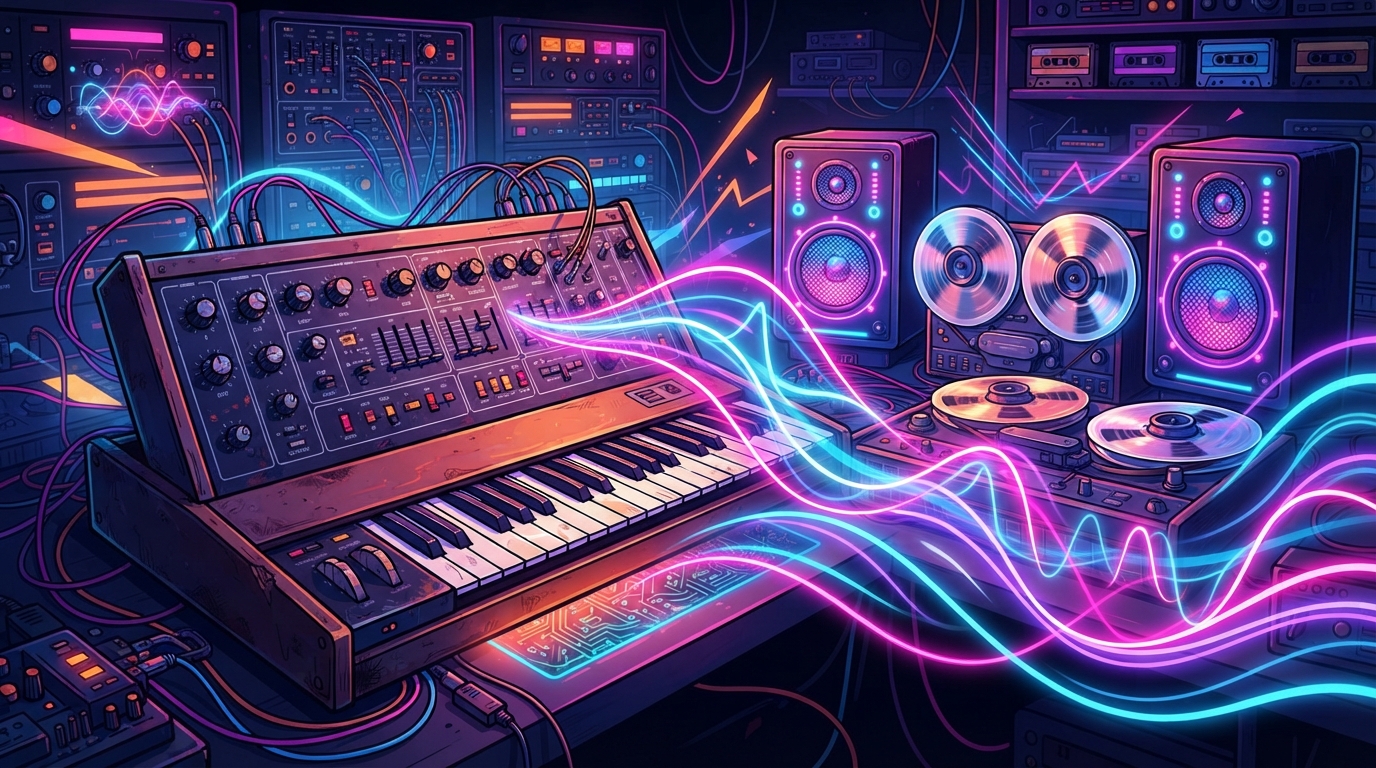
Your project has the pixels, neon, and heroic last-life countdown, but it still needs music that makes players feel like they found a lost cartridge. A retro soundtrack commission gives you original tunes with 8-bit sparkle, arcade energy, synthwave glow, or wonderfully dramatic boss-battle vibes. You get the nostalgia without dusting off a cassette player or arguing with a haunted VCR.
Whether you’re scoring a game, film, animation, stream, or indie fever dream, the right soundtrack can turn a cool idea into a full-blown time machine. Choose the era, mood, instruments, and delivery format so every beep, bassline, and pixel-powered melody fits your world. Done right, your audience won’t just hear the music. They’ll feel like the ’80s and ’90s just kicked open the door wearing neon sunglasses.
A retro soundtrack commission gives your game, film, trailer, stream, or animation music built for your world, not pulled from a bargain-bin playlist with a fake mustache. You hire a composer to create original tracks with 8-bit sparkle, arcade energy, synthwave glow, or VHS-era drama. That could mean cheerful chiptune melodies for a pixel hero, pulsing neon bass for a late-night chase, or spooky computer synths for a horror scene where the loading screen feels suspiciously alive. The goal is music that makes your project feel like it just unlocked a secret level.
Your composer can shape the sound around your story, visuals, timing, and audience, so every cue earns its place instead of awkwardly photobombing the action. You can request loopable game music, cinematic themes, trailer builds, menu tracks, stingers, or a full soundtrack with a consistent retro flavor. Before the first synth beep goes critical, discuss references, mood, length, file formats, revisions, and usage rights. A retro soundtrack commission turns nostalgia into a custom audio identity, complete with neon attitude and zero random playlist roulette.
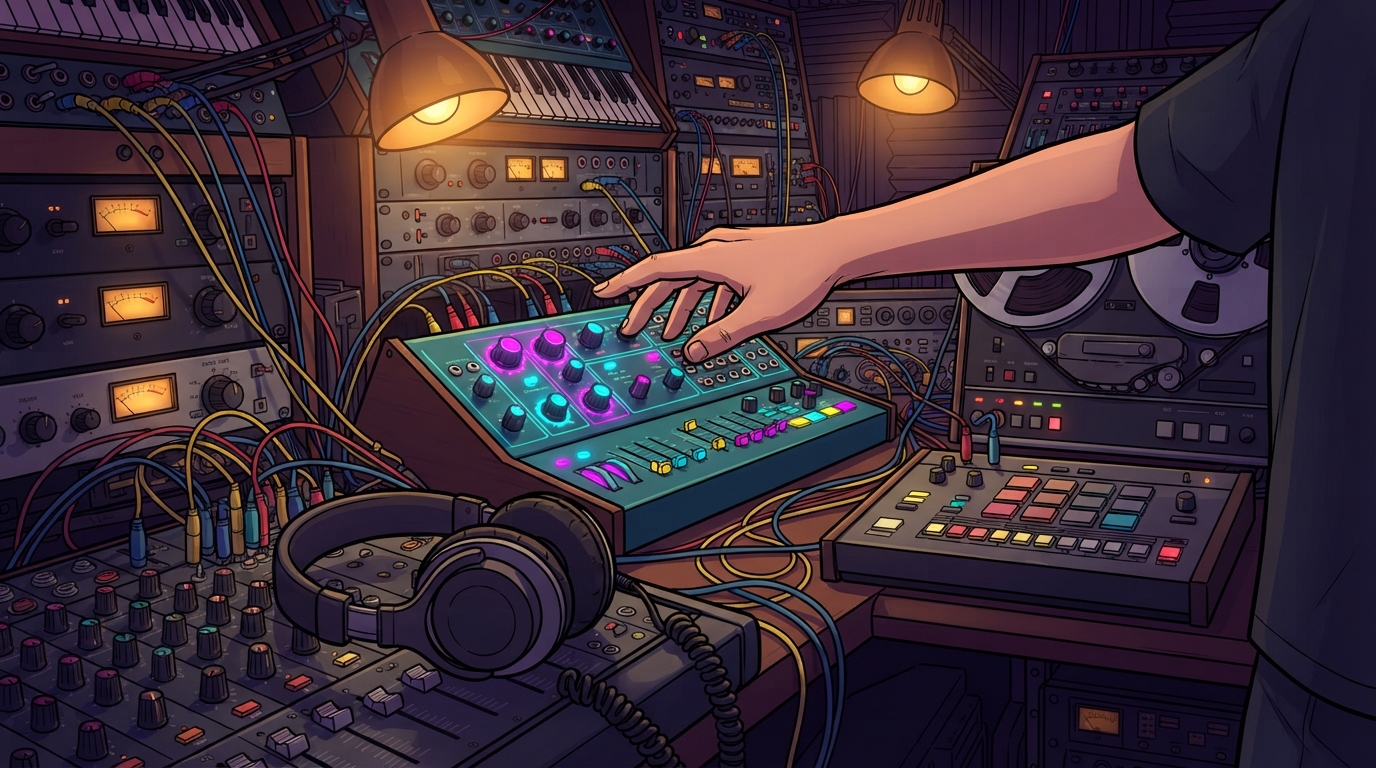
Choosing a retro soundtrack style starts with picking the era you want to visit, because “retro” can mean much more than pressing Start on a dusty console. Chiptune delivers bright, crunchy bleeps, while 16-bit adventure music brings sweeping melodies for maps, quests, and suspiciously large castles. Arcade bangers are fast, loud, and built for high scores, while early 3D console textures add chunky synths, moody pads, and that wonderfully blurry menu-screen feeling. You can also lean into synthwave, retro horror, noir, or retro rock if your project needs more neon streets, haunted corridors, trench coats, or guitar solos.
Before you request a retro soundtrack commission, describe the world your music needs to support. Share the project’s era, mood, key instruments, pacing, and a few references. Explain whether you want cheerful pixels, cosmic danger, VHS suspense, or “neon spaceship at midnight” energy. Mention where the music will play, such as gameplay, a trailer, film scenes, menus, or a boss battle, because a two-minute arcade blast needs a different shape than a looping exploration theme. Clear details help your composer turn your mental movie into original music instead of guessing while wearing metaphorical night-vision goggles.
A useful brief can be casual, specific, and slightly dramatic, such as “1990s space racer with FM synth leads, punchy drums, heroic melodies, and a lonely highway-at-night mood.” Include the desired track length, loop needs, number of cues, file formats, deadline, and whether you need stems or alternate versions. You can also note what to avoid, such as modern pop vocals, overly polished orchestral sounds, or anything that feels like elevator music inside a haunted arcade. The more clearly you describe your references and retro flavor, the easier it is to commission a soundtrack that feels nostalgic, original, and ready to power up.
A strong retro soundtrack commission brief should map the whole player experience, not just say “make it sound like an arcade cabinet having a good day.” List the title theme, gameplay loops, menu tracks, boss music, and cutscene cues, along with the mood, era, instruments, and reference points you want. Include whether you need alternate versions, seamless loops, short stingers, sound effects, or adaptive layers that change with the action. The clearer your brief, the easier it is to build a neon-powered musical plan instead of guessing in the dark like a hero searching for the pause button.
Your deliverables should be just as specific as your creative notes. Confirm whether you need full mixes, stems, file formats, loopable edits, and game-engine-ready exports with the right length, naming, sample rate, and file format. If sound effects are included, list the types and approximate quantity, from menu clicks and weapon blasts to collectible jingles that say “you found the secret VHS room.” Also explain how the music will be used, such as in a game, trailer, film, stream, or animated project, so the final files fit your production setup.
Project size and complexity can change the quote faster than a boss entering phase two. A short soundtrack with a few fixed tracks usually takes less time than a long game with many gameplay loops, interactive layers, alternate versions, and platform-specific exports. Your brief should state the deadline, delivery milestones, number of included revision rounds, target platforms, and any console, mobile, PC, or engine requirements. Clear limits help everyone plan fairly, while extra revisions, rush delivery, more cues, or additional export formats may increase the final cost.
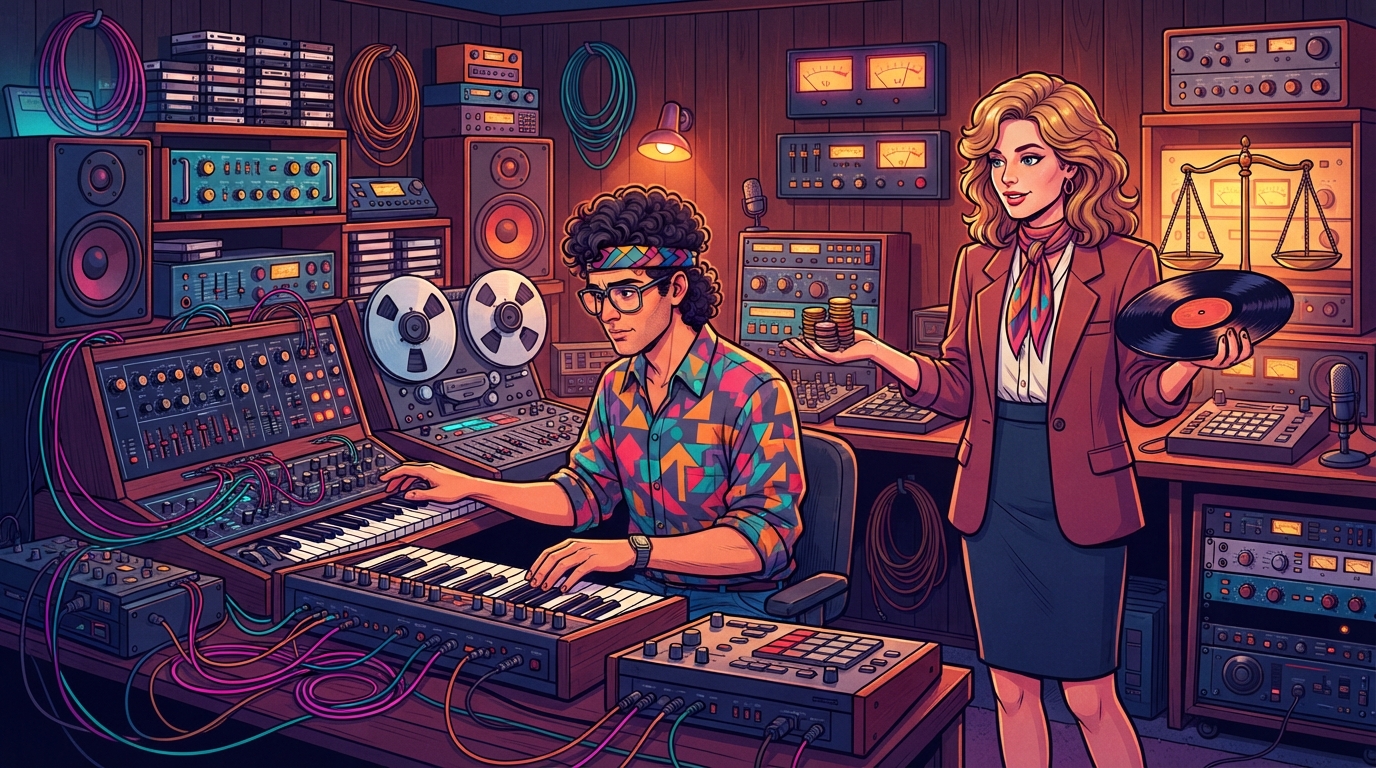
Choosing a composer for your retro soundtrack commission is about more than finding someone who can make a convincing blip and bloop. Review their portfolio for strong melodies, production quality, and a useful range, from 8-bit arcade energy to 16-bit adventure themes, synthwave, noir, or cinematic tension. Listen for music that feels inspired by the past without sounding like it escaped from a dusty cartridge. You should also consider communication, deadlines, and experience working on games, films, trailers, or other projects where music must support a story and match a scene.
Pricing depends on the number of tracks, total running time, musical complexity, live instruments or vocals, sound design, mixing, and how quickly you need the work. Before signing, confirm whether you receive a license to use the music or full ownership of the copyright. Define commercial usage rights for your game, film, stream, trailer, merchandise, and soundtrack album. Put credit, exclusivity, payment stages, file formats, delivery dates, and the number of included revisions in writing. A lower-cost license may be perfectly suitable, but full ownership and exclusive use usually cost more because the composer gives up future ways to reuse the music.
The contract should also explain what happens if you request extra tracks, major rewrites, or a sequel-level expansion after the original scope is complete. Ask how feedback will be shared and whether the composer can keep the project’s sound consistent across menus, action scenes, credits, and boss fights. A suspiciously cheap “entire soundtrack by Tuesday” offer may summon the final boss, especially if it skips samples, contracts, revision limits, or clear rights. Compare value, reliability, and creative fit instead of choosing the lowest number on the neon price screen.
A retro soundtrack commission starts with a clear creative brief, so share your project’s story, mood, platform, audience, and exact flavor of nostalgia. Explain whether you are chasing 8-bit arcade sparkle, 16-bit adventure energy, early 3D weirdness, VHS neon, or a retro rock hybrid, then add a few reference tracks and visual cues. Your references should describe what works, such as the drum groove, melody, pacing, or sense of mystery, rather than asking for a musical clone. This gives the composer a map instead of a treasure hunt with three fake exits and one suspiciously large boss door.
The first demo sketches should test the soundtrack’s main identity, including themes, instruments, tempo, and how the music supports gameplay or scenes. Give feedback in specific, useful terms, such as “make the melody warmer,” “leave more space for dialogue,” or “reduce the arcade intensity during exploration.” Separate must-have changes from personal wish-list ideas. Protect the creative direction by returning to the brief whenever feedback starts pulling the score in five different neon directions. A retro soundtrack can use synths without turning every moment into a synth-heavy boss battle, so ask for contrast with quieter pulses, acoustic colors, crunchy guitars, eerie pads, or simple melodic hooks.
After revisions are approved, the composer handles final mastering and delivers the agreed files in the formats your project needs, such as full tracks, loops, stems, and short transition cues. Confirm naming rules, file lengths, looping points, loudness targets, and ownership terms before the final export, because “finalfinalreallyfinal.wav” is not a production system. Test the music inside the game, film edit, trailer, stream layout, or other intended setting to catch volume clashes, awkward loops, loading gaps, and dialogue that gets body-slammed by the chorus. One last round of practical fixes can turn a cool demo into a polished soundtrack that feels like it was always meant to live under those pixel skies.
A well-planned retro soundtrack commission can transform your game, film, trailer, or neon-soaked web adventure into a pixel-powered world with its own sonic identity. The right music does more than sprinkle in 8-bit blips or synthwave sparkle. It gives every level, scene, and boss fight a memorable pulse. Before the first neon note drops, prepare a clear brief covering your project, mood, references, desired era, and where the music will appear. Whether you want arcade energy, 16-bit adventure, VHS-era synths, or early 3D console weirdness, clear direction helps your composer hit the right nostalgia button instead of mashing every button at once.
Choose a composer who genuinely understands the era and can create original music that serves your project, not just a playlist of retro clichés. Before work begins, agree on the budget, usage rights, deliverables, revision process, file formats, and deadlines, because “we’ll figure it out later” is rarely a great production strategy. Confirm whether you need looping tracks, short cues, stems, trailer edits, or a full album, then put those details in writing. With the plan locked, your retro soundtrack commission can turn pixels, neon, and boss-level drama into a lasting audio identity that players and viewers remember long after the screen says game over.
A retro soundtrack commission gives your game, film, trailer, or neon-soaked internet adventure a sound that feels nostalgic without sounding like a dusty rerun. You can choose the flavor, from 8-bit arcade sparkle and 16-bit quest music to synthwave, VHS horror, early 3D textures, or retro rock with enough attitude to wake the boss battle. A good composer will shape the mood around your scenes, characters, pacing, and platform, then deliver original tracks, loops, cues, and stems that fit your project. Discussing deadlines, revisions, file formats, and usage rights early keeps the creative process smooth and prevents a final boss battle made entirely of paperwork.
Ready to power up your project? Explore our Retro Soundtrack Services For Games And Films to discover how we can help turn your pixel worlds, cinematic moments, or glowing brand universe into a memorable audio experience. Share your references, story goals, and favorite retro era, and guide the sound from the first synth pulse to the final credit roll. With the right commission, your audience will not just see the neon. They will hear it. That is a pretty strong upgrade from pressing play on the same tired playlist again.