Commercial music licensing can cost about $59 for a one-time web or social track, or $1,000 and up for broader broadcast coverage. Want a famous hit for a national ad? Cue the dramatic synth sting: negotiated fees can reach tens or even hundreds of thousands of dollars. The price depends on the song, where you use it, how long you use it, which territories matter, and whether the music stars in the ad or hangs out in the background.
If you simply play music for customers, you will usually pay annual public-performance fees. Those fees are different from the rights needed for videos, ads, apps, games, or podcasts. Knowing which permissions you need helps you avoid a surprise invoice that hits harder than a final boss. It also keeps your campaign, budget, and neon-soaked dreams safely on track.
Commercial music licensing can start around $59 for a one-time web or social track, making it a friendly entry point for smaller brands and creators. These licenses usually cover a specific video, platform, or campaign period, so your neon cat video does not accidentally need a Hollywood-sized budget. Broader online campaigns often cost a few hundred dollars or more, depending on audience size, territory, duration, and number of placements. Always check whether paid ads, client work, and boosted posts are included. The fine print can be sneakier than an arcade boss.
Royalty-free music libraries typically offer predictable pricing, with professional plans often ranging from tens to several hundred dollars per track. Custom music costs more because you are paying for an original composition, revisions, and a sound built around your brand, from synthwave startup energy to full arcade-final-level drama. Broadcast placements and professional commercial coverage commonly reach $1,000 or more per song, especially when television, radio, national markets, or extended terms enter the picture. A recognizable recording can jump into the tens or hundreds of thousands of dollars for a national advertising campaign, because famous tracks come with famous price tags.
The final commercial music licensing price depends on where your project appears, how long it runs, how many people it reaches, and whether the music is the star or simply vibing in the background. A local social ad may need permission to synchronize the music with video and permission to use the recording, while a national campaign can require separate rights for the song and the specific recording. Businesses that play music for customers also pay annual public-performance fees, but those are separate from the rights needed to place music in a video, ad, app, game, or podcast. Map out your platforms, territory, campaign length, and budget before requesting a quote, and you will approach licensing with fewer surprises and more power-up energy.

When your video uses music, you may need two separate permissions, not one magical all-access pass. A synchronization license covers the song itself, including the melody, lyrics, and composition. It usually comes from the songwriter, music publisher, or rights administrator. A master-use license covers a specific recording, such as the studio version you know from the radio, and it is controlled by the record label or recording owner. Using a cover may lower the master-use cost, but you still need permission for the underlying composition. In other words, the sync right is the game cartridge, while the master is that exact high-score save file.
Commercial music licensing can start around $59 for a one-time web or social track and rise above $1,000 per song for broader broadcast or professional coverage. A recognizable original hit in a national ad can jump into the tens or even hundreds of thousands of dollars, especially when you want major territories, a long campaign, or prominent placement. The price depends on where the video appears, how long the license lasts, which countries it covers, and whether the music is background flavor or the neon-lit main character. Before building your budget, confirm both rights and request quotes early, or your catchy chorus could unlock the final boss of production costs.
Commercial music licensing cost starts with where your track will appear and who will hear it. A one-time website or social video may cost around $59, while broader broadcast or professional coverage can run $1,000 or more per song. You will usually pay more as your audience grows, your territory expands from one city to multiple countries, or your license lasts months instead of days. A national campaign can also require separate rights for the recording and the song itself, so the quote may have more layers than an ’80s arcade boss.
The music’s role matters, too. A song tucked quietly under a product demo is generally less expensive than a track driving the entire story, powering a reveal, or becoming your brand’s sonic catchphrase. Your campaign budget, media type, and exclusivity can all push the price upward, especially if you want to keep similar brands from using the same track during your campaign. Remember that annual fees for playing background music in a store or venue are separate from the rights needed to put music in an ad, video, app, podcast, or game. Playing a song in the lobby is one quest. Syncing it to your neon-lit commercial is another.
Using the same track, a local coffee shop might license it for a short social video shown in one city, with a limited audience and a modest budget. That use may land near the lower end of commercial music licensing costs. A national brand running the track across television, streaming platforms, online ads, and multiple countries could face a negotiated fee in the tens or even hundreds of thousands of dollars. The song’s prominence, campaign reach, license length, and any exclusivity would all level up that quote. Before you press start, share your intended platforms, territory, dates, audience, and budget so the rights team can build a clear price instead of tossing a mystery number into the void.
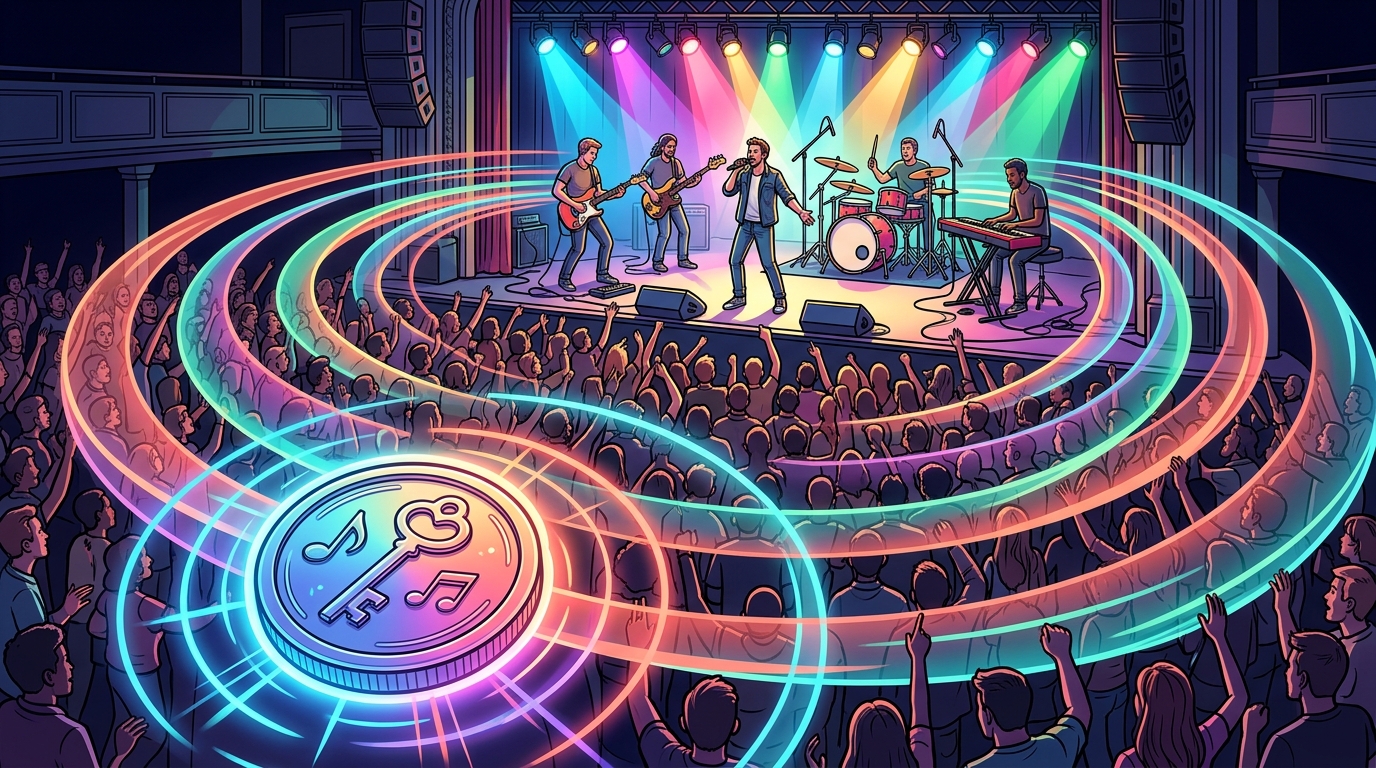
Annual public-performance fees cover the right to play music for customers in places such as shops, restaurants, gyms, hotels, and event spaces. In the United States, performing-rights organizations license and collect fees for different groups of songwriters and music publishers. Your price may depend on factors such as venue size, audience capacity, music use, and how often you play it, so there is no single neon arcade button labeled “one price.” These fees are usually ongoing and often billed annually. They help cover background music rather than music placed into a commercial project.
If you want a song in an ad, branded video, podcast, app, game, social campaign, or other production, you generally need separate permission. That permission can include a composition license for the underlying song and a master recording license for the specific performance you want to use. A one-time web or social track may start around $59, while broader broadcast or professional coverage can cost $1,000 or more per song. Recognizable recordings in national campaigns can climb into the tens or hundreds of thousands, especially when the use is prominent, exclusive, worldwide, or locked in for a long term.
Before budgeting, map the project like a classic ’80s game level: where will the music appear, for how long, and who will see it? You may need both an annual public-performance license for music playing at your business and separate sync and master-use permissions for music inside your content. Paying one organization does not automatically unlock every song or every use, because music rights can belong to different owners. The safest move is to confirm the exact rights, territory, term, media, and audience before pressing start on production.
Commercial music licensing can range from about $59 for a one-time web or social track to $1,000 or more per song for broader broadcast or professional use. A recognizable recording in a national ad campaign can climb into the tens or even hundreds of thousands of dollars, because apparently the price tag also wants a starring role. Your estimate depends on the song, how prominently it appears, the campaign length, the platforms involved, and the territories where people will see or hear it. Remember that annual fees for playing music in a store or office are separate from the rights needed to place music in an ad, video, app, game, or podcast.
Before contacting licensors, build a quick rights map that names every platform and territory, including your website, social channels, streaming services, paid ads, broadcast, events, apps, and in-store playback. Note the campaign dates, audience size, paid media plans, edits, and whether the music sits in the background or takes center stage like the final boss. Include every country or region where the campaign may run, since a license for the United States may not cover global use. This list gives licensors the information they need to return a useful quote instead of sending you into a pricing maze with only one health point left.
Request written quotes that spell out the total fee, approved platforms, territories, term, edits, audience limits, and any extra charges for renewals or expanded use. Check whether the quote covers both the recording and the underlying song, because one track can involve more than one permission slip. Save emails, contracts, invoices, approvals, and usage notes in one neon-colored paper trail, preferably with filenames that even your future self can understand. That bright audit trail helps you spot limits before launch and keeps surprise fees from unlocking after the campaign goes live.
Commercial music licensing can range from about $59 for a one-time web or social track to $1,000 or more per song for wider broadcast or professional coverage. A recognizable recording in a national ad campaign can jump into the tens or even hundreds of thousands of dollars, because big campaigns do not run on pocket change and neon arcade tokens. Sync rights cover putting music into videos, ads, apps, games, or other timed content, while master-use rights cover the specific recording you want to use. You may need both, so check the package before your budget gets a surprise boss battle.
Public-performance rights are different. They cover music played for customers in places such as shops, restaurants, offices, or events, and they are often handled through annual fees. They do not automatically give you permission to drop that song into a commercial, trailer, podcast, or social campaign. Match the license to your campaign’s platform, territory, length, audience, and level of exposure, then add extra budget for renewals, edits, and unexpected rights needs. Before you press play, get permission in writing and consider professional music clearance support to keep your project moving without summoning a copyright nightmare.