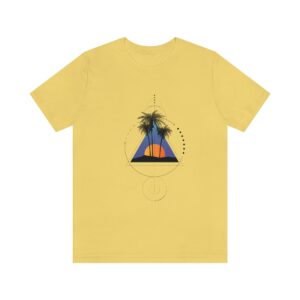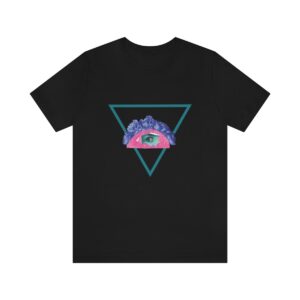
A retro t-shirt can cost as little as $10 for a budget tee or climb into the hundreds for a rare pre-owned find. The gap comes down to whether you want a new shirt with a vintage-inspired look or an authentic old one. At Retrowave, standard graphic tees are listed at $27.00 and often go on sale for $22.95. Some tees start at $11.99 (sale $10.19), and all-over-print shirts are $32.00 (sale $27.20).
Elsewhere, new vintage-look basics from general retailers typically run $24.95 to $29.95 before discounts. Used vintage band tees usually sell for around $29, and most resale sales land between $8 and $117. Rarity and a killer graphic push prices up fast, so set your budget before you shop. Listed prices aren’t your final total, though. Shipping costs and times vary by destination, so check the full amount at checkout.
Retrowave’s shirts fall into three price tiers, and each one suits a different kind of shopper. The budget end is for anyone watching every dollar. Some t-shirts are listed at $11.99 and drop to $10.19 on sale, so you can grab a retro graphic without blowing your allowance.
The three tiers look like this:
Standard unisex graphic tees sit in the middle tier. They’re made from 100% Airlume combed and ringspun cotton, though fiber content may vary by color. The fabric is light at 4.2 oz/yd² (142 g/m²), and the retail fit runs true to size.
AOP shirts cost more because the design wraps across the whole shirt, like a neon billboard for your torso. The Blue Rays AOP tee is 100% polyester with a regular fit, and it comes in 4.0 oz and 6.0 oz fabrics. It’s tagless, so no scratchy label is poking at your neck, and it also runs true to size.
Every product page has a size chart, so check it before you add a shirt to your cart. Keep in mind that the prices above are for the item alone. Shipping and any destination charges are added separately, and they depend on where you live.
Discounts and promotions pop up now and then. The newsletter announces special offers and new arrivals, so it’s a good place to watch for them.
New shirts with vintage-inspired graphics come with a list price set by the seller, and discounts and promotions appear from time to time. Check the current price on the product page before you buy.
Genuine vintage tees are one-off pieces, so age, condition, and rarity drive the price. A faded shirt with small holes sells for less than a crisp one with a bold original print. Rare 1990s pieces with famous names have carried price tags of $308 to $360.
Band and tour tees from famous acts tend to command higher prices than generic designs. Nirvana tees have typically sold for around $45, and Grateful Dead tees for about $49. A vintage Metallica graphic tee has been listed at $320, so the band on the front counts for a lot.
Fabric and print method also affect cost. An all-over-print shirt, like Retrowave’s AOP tee at $32.00, costs more because the design wraps around the whole garment. Heavier fabric uses more material and more work to produce, which nudges the price up a little.
Timing matters too. Custom orders may take longer to ship than standard orders, so if you want a one-off design, build extra time into your plans.
New retro-style tees from major clothing chains and online marketplaces generally fall between about $25 and $55 before discounts. Where a shirt lands in that range depends mostly on its cut, sleeves, and logo size. Standard vintage-style basics from big chains usually sell for about $24.95 to $29.95 before discounts, which makes them the budget-friendly middle of the pack.
Bigger logos cost more. Oversized-logo versions often run about $49.95 to $54.95, though sale prices sometimes drop to around $24 to $29, so it pays to watch for markdowns. Raglan-sleeve tees, the ones with contrasting sleeves that look like a classic baseball jersey, are commonly around $39.95, and discounts can bring them down to about $31.
Marketplaces are the wild card. Retro-style tees from independent sellers range from under $7 on sale to about $40, so the spread is huge. Each seller sets their own price, so a bargain can be a real find or a shirt that feels thinner than you expected.
Before you decide whether a price is fair, compare like with like. Check these four things:
Retrowave’s standard unisex graphic tee is a light 142 g/m² (4.2 oz/yd²) shirt made from combed cotton, so use that weight as your yardstick when you shop around. Sale prices come and go quickly, so a tee that looks like a steal today may be back at full price before you finish your coffee.
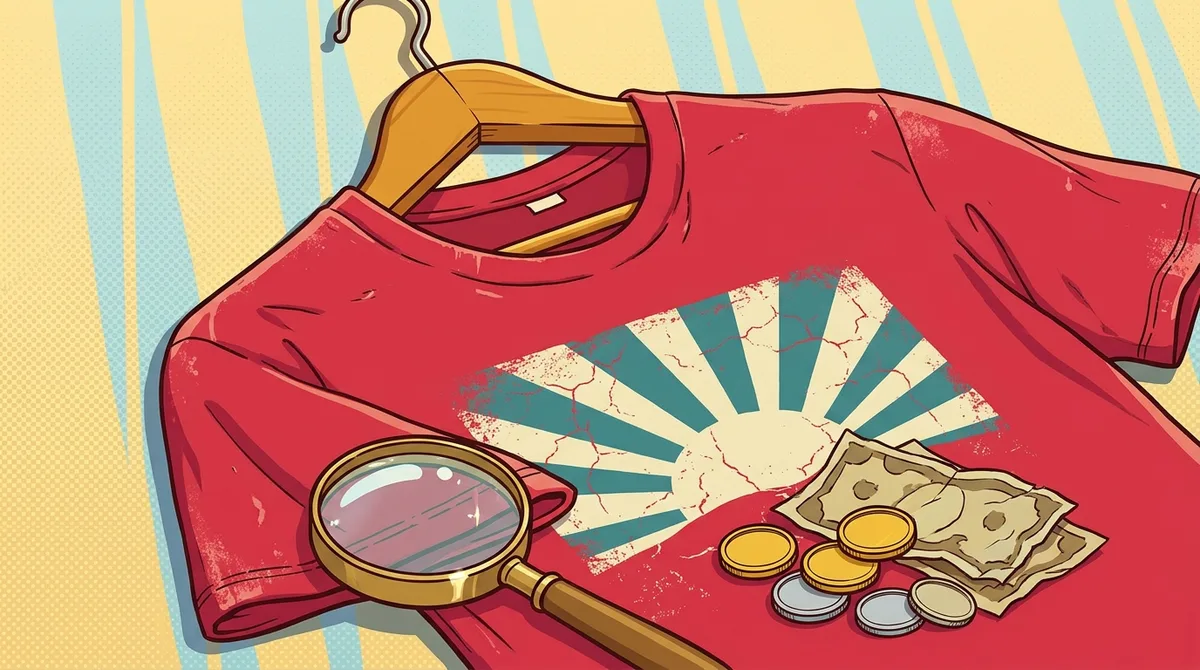
A genuine vintage tee typically sells for about $29, according to a resale price tracker that follows used band shirts. Most of the sales it tracks fall between $8 and $117, so the range is wide. Your budget decides which end of that range you can shop.
Famous names push prices higher. That tracker’s brand guide lists typical prices of $45 for Nirvana tees, based on 130 sales, and $49 for Grateful Dead tees, based on 90 sales. A familiar band logo on a worn shirt can add real money to the price tag.
Speed matters too. The same tracker reports that tracked vintage band tees typically sell within 15 to 30 days. If you spot a shirt you love, decide quickly, because it may be gone before your next payday.
The top of the market is where things get wild. A major clothing retailer lists one-of-a-kind vintage graphics, including a 1990s Grateful Dead patched tie-dye tee at $308. Its Y2K distressed Metallica graphic tee is priced at $320, which shows how 1990s and Y2K pieces can climb past $300.
Rare pieces can go even higher. The same retailer lists a 1990s Backstreet Boys tour tee at $360. When a shirt is scarce and the design is iconic, the price can reach several hundred dollars, and nostalgia turns into a serious collector’s hobby.
Condition shapes the price as much as the name does. Study every photo for small holes, cracked print, and heavy fading, because each flaw can pull the price down. Since every vintage piece is one of a kind, you can’t count on a size chart and a predictable fit the way you can with a new tee, so check the measurements in the listing before you buy.
Yes, shipping and destination charges can change the final price, because the listed price only covers the shirt itself. Retrowave ships internationally to most countries, and both the cost and the delivery time depend on where your order is going. A neon-bright tee can look like a bargain on the product page, and then the total grows once postage is added.
Before you hit the buy button, check the destination-specific shipping and any applicable charges at checkout. That way, the total you see is the total you pay, with no surprises when the parcel arrives. Shipping costs and delivery times vary by destination, so a shirt that ships quickly to one country may take longer to reach another.
You can pay with Visa, MasterCard, American Express, PayPal, or other digital payment platforms. Pick whichever one you already use, and you’re ready to go.
Once you place your order, you’ll receive a confirmation email. Save it, because it’s your record of what you bought and when. If it doesn’t show up within a few minutes, check your spam folder before you assume your order vanished into the retro void.
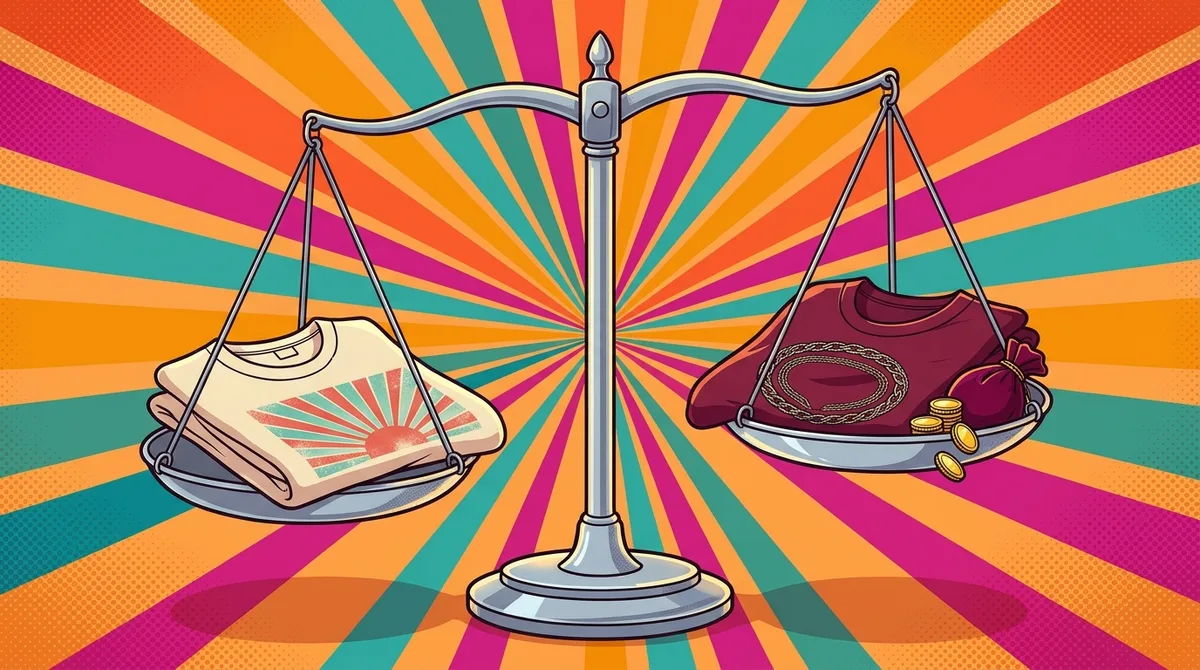
The best tee for your budget is the one whose fabric and fit match how you plan to wear it, because a heavier or pricier shirt isn’t automatically the better buy. Start by asking whether you want something for warm nights and casual days or something that can handle repeated wear.
Retrowave’s standard unisex graphic tee is a good everyday pick. It’s 100% Airlume combed and ringspun cotton, although fiber content may vary by color, and it has a retail fit with a tear-away label that you can pull off once you have the shirt home. It runs true to size, so the size chart on each product page is all you need.
Here’s how the main options line up with everyday use:
Thicker cloth usually costs more to produce, so paying extra for weight makes the most sense if you’ll wear the shirt often. If you only want a shirt for the occasional gaming marathon or synthwave night, a lighter fabric keeps your spending in check.
The Blue Rays tee is tagless and also runs true to size, so you can order your usual size there too. If you’re unsure, measure a shirt you already own and compare those numbers with the size chart before you check out.
Think of the price tiers as a guide, not a rule. A $10.19 sale tee and a $27.20 all-over-print shirt can both be the right call, depending on whether you want a quick graphic or a shirt covered in color from collar to hem.
Yes, you can change or cancel an order, but only within a short window after you place it. Returns are accepted within 30 days of receipt for most items in new condition.
Speed matters if you want to switch a size or cancel. Order changes and cancellations must be requested through Retrowave customer service, and they may not be possible once your order has been processed. Your confirmation email shows what you ordered and when, so keep it handy when you get in touch.
The return clock starts when your parcel arrives, not when you click buy. Most items qualify as long as they come back in new condition. A shirt that has survived a few gaming marathons in the same hoodie may not make the cut, so try it on over a hard floor first and keep the mirror selfies to a minimum.
Custom orders need extra patience, since they may take longer to ship than standard orders. If you’re buying a gift for a birthday or a convention, count backward from the date and leave room for production time.
For questions about changes, cancellations, or returns, you can email customer support or use the Contact Us page on the website. Include your order details in your message so the team can find your order quickly. Clear answers before checkout mean fewer surprises once the neon-bright tee lands on your doorstep.
Start by picking your ceiling. If you have about $10 to spend, the budget tee listed at $11.99 and on sale at $10.19 is the cheapest way into the Retrowave lineup. If you can stretch to $27 or $32, compare a standard graphic tee with an all-over-print shirt and decide whether you want a quick hit of retro or a shirt covered edge to edge in neon.
Next, check the total before you pay. Choose your country in the cart, look at the shipping charge, and add it to the shirt price. If the sum still fits your budget, you’re set. If it doesn’t, try a sale item or wait for the newsletter to announce a promotion.
If you’re buying a gift, count backward from the date. Custom orders take longer to ship, and international delivery times vary, so order early enough for birthdays, game nights, or that synthwave concert you’ve been planning.
Keep your confirmation email until the parcel arrives. If you need to change a size or cancel, act fast, because changes are only possible within a short window.
Reach out through the Contact Us page on Retrowave if you have questions about sizes, orders, or returns.